





Wedding venues across the country are discovering that smaller celebrations can generate bigger profit margins through carefully structured micro-wedding packages that layer premium services onto intimate gatherings of 10-50 guests.

The Economics Behind Intimate Celebrations
Traditional wedding venues built their business models around events hosting 100-300 guests, with revenue tied to per-person pricing for catering, bar service, and facility rental. Micro-weddings flip this equation by charging premium rates for exclusive use of smaller spaces while reducing operational costs through simplified logistics and reduced staffing needs.
The math works because venues can book multiple micro-weddings per weekend in different areas of their property, or offer weekday slots at premium prices to couples seeking intimate settings. A venue that previously hosted one 200-person wedding generating $15,000 in revenue might now book three 25-person micro-weddings at $8,000 each, nearly doubling weekend income while cutting labor and setup costs.
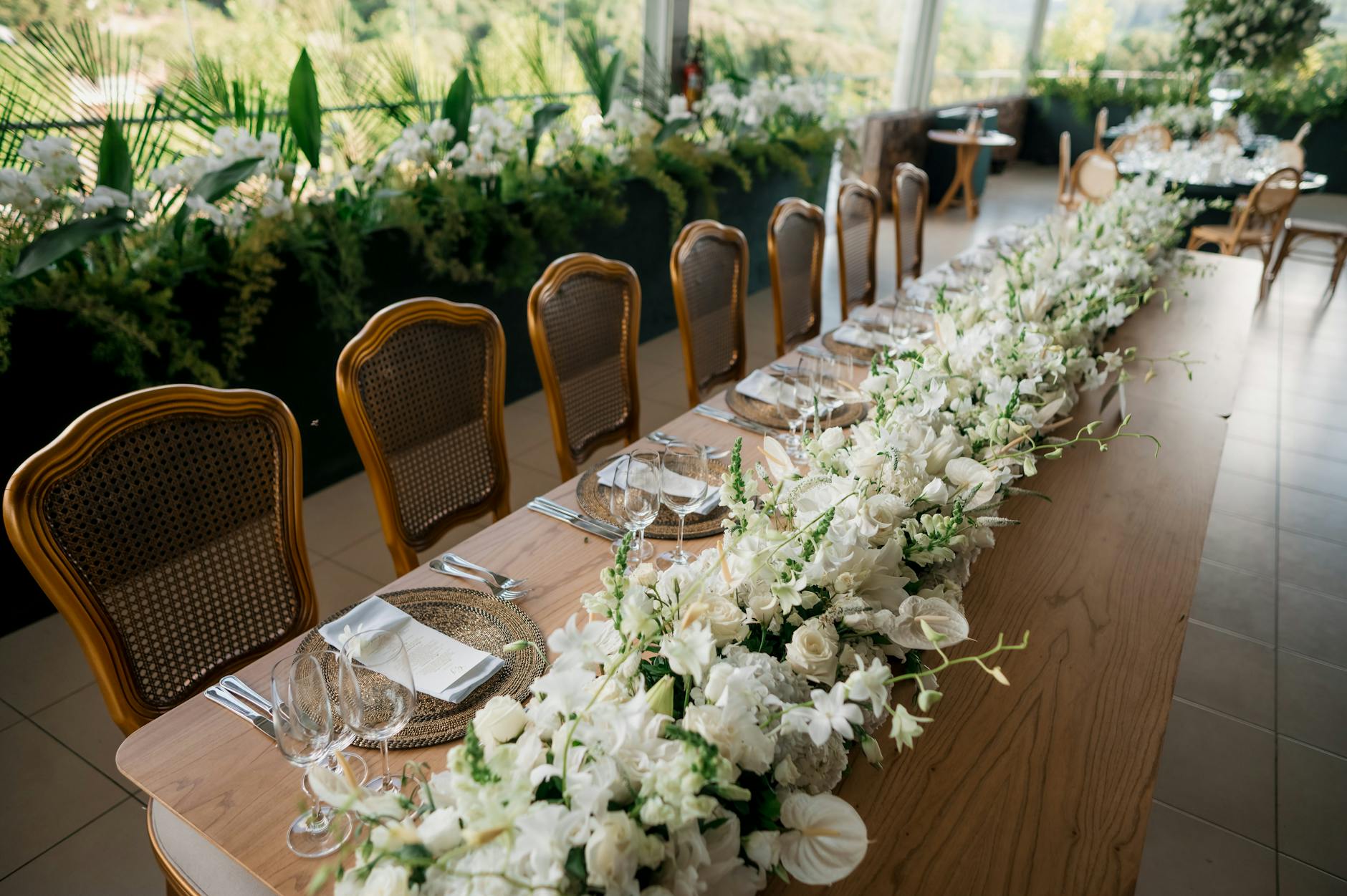
Upselling becomes more effective with smaller guest counts because couples have larger per-person budgets and fewer variables to manage. Photography upgrades, specialty linens, custom floral arrangements, and premium bar packages feel more attainable when spread across a dozen guests rather than hundreds.
Venues are also discovering that micro-wedding couples often book additional services like rehearsal dinners, day-after brunches, or anniversary celebrations, creating ongoing revenue streams from relationships that extend beyond a single event.
Premium Package Strategies That Drive Revenue
Successful venues structure their micro-wedding offerings around experience tiers rather than simple per-person pricing. Basic packages might include venue rental, tables, and chairs, while premium tiers add concierge planning services, upgraded decor, specialty lighting, and exclusive access to scenic areas of the property.
All-inclusive packages remove decision fatigue for couples while protecting venue profit margins. Rather than pricing each service separately, venues bundle photography, florals, catering, and coordination into packages starting around $5,000 for weekday ceremonies and scaling up to $15,000 for weekend celebrations with full-service coordination.
Menu customization becomes a significant upsell opportunity since smaller guest counts allow for more elaborate per-person offerings. Venues report success with family-style dining experiences, chef’s table options, and wine pairing dinners that would be logistically challenging or prohibitively expensive for larger events.
Extended rental periods generate additional revenue without proportional cost increases. Couples booking micro-weddings often want all-day access for photos, getting-ready time, and post-ceremony socializing. Venues can charge premium rates for 8-10 hour rental periods while incurring minimal additional overhead compared to traditional 5-hour receptions.
Technology integration adds both convenience and profit margin through services like livestreaming for remote guests, professional lighting for photography, and sound system upgrades for ceremony music. These technical add-ons carry high profit margins since the equipment investment is one-time while the per-event charges create ongoing revenue.
Operational Advantages and Market Positioning
Micro-weddings require fewer staff members and simplified vendor coordination, reducing labor costs while maintaining or increasing revenue per square foot of venue space. Many venues report being able to execute micro-weddings with 60-70% fewer staff hours while charging 80-90% of their traditional per-person rates.
The smaller scale allows venues to accept bookings with shorter lead times, filling previously difficult-to-book dates like weekday afternoons or Sunday mornings. These off-peak slots command premium pricing due to their exclusivity and the perception of personalized service that comes with fewer competing events.

Weather contingency becomes less complex and expensive with smaller guest counts, allowing venues to offer indoor-outdoor flexibility that creates additional upsell opportunities. Couples might pay extra for ceremony spaces that can seamlessly transition between garden and ballroom settings depending on conditions, a service that becomes logistically manageable only with intimate guest lists.