




Author: Derek Quinn

Butter and cocoa swings are pushing small bakeries to rewrite wholesale deals with shorter terms, surcharge clauses, and tiered pricing.
Every time a diner taps a card, the restaurant gives up a slice of the sale before anyone has paid for the ingredients. That slice is the swipe fee, a bundle of charges that includes interchange paid to the card-issuing bank, assessments paid to the card network, and the processor’s own markup. It rarely appears as a line anyone at the table can see, which is part of why it was easy to ignore for years. Owners are igno

Community banks and credit unions are winning a larger role in SBA 7(a) lending. Here is how the guarantee shapes who gets the loan.

Tattoo studios are replacing walk-in models with private memberships – offering priority booking, stable revenue, and higher margins. Here’s how the business model works.

Local alterations shops are converting fitting areas into premium bridal suites, bundling services to triple revenue per bride without inventory risk.

Pottery studios are turning corporate team-building events into high-margin revenue streams, with group wheel-throwing sessions generating far more per hour than standard drop-in classes.
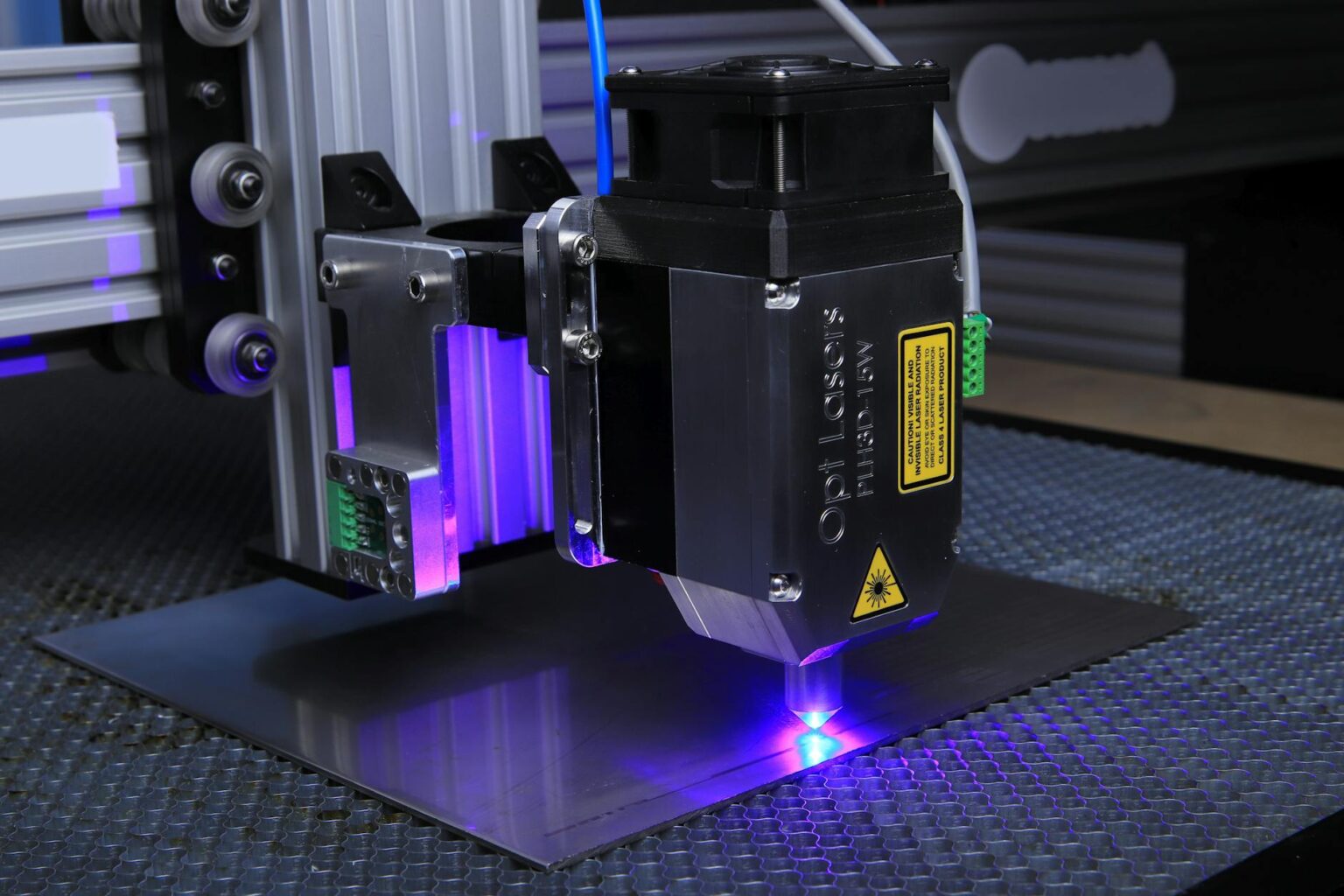
Local laser engraving shops are turning low-cost blank substrates into high-margin personalized gifts. Here’s why the business model holds up.
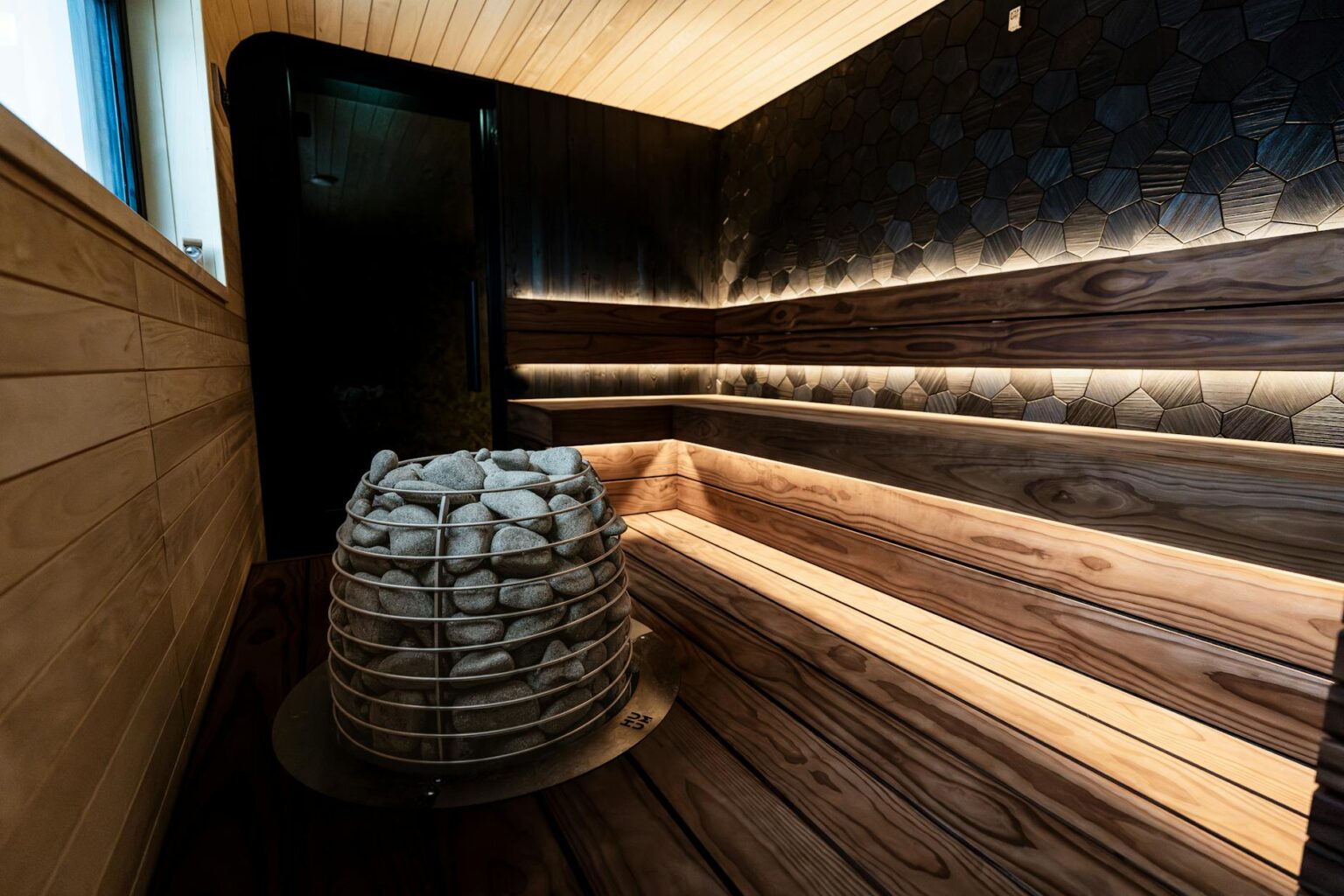
Local spas are building reliable revenue streams through infrared sauna memberships. Here’s why the model works and how small studios are structuring it.

Boutique Pilates studios are turning idle reformer equipment into recurring lease income by renting machines to trainers, therapists, and private clients.

Independent tutoring centers are converting to test prep franchise models for brand recognition and stable enrollment. Here’s what the transition actually involves.