





The Wedding Dress Fitting Gap That Alterations Shops Are Filling
Bridal boutiques sell the dream, but they rarely own the final fit. That gap – between the dress a bride orders and the dress she actually walks down the aisle in – has always belonged to local alterations shops. Now, a growing number of those shops are deciding that gap is worth a lot more than a hemming fee.
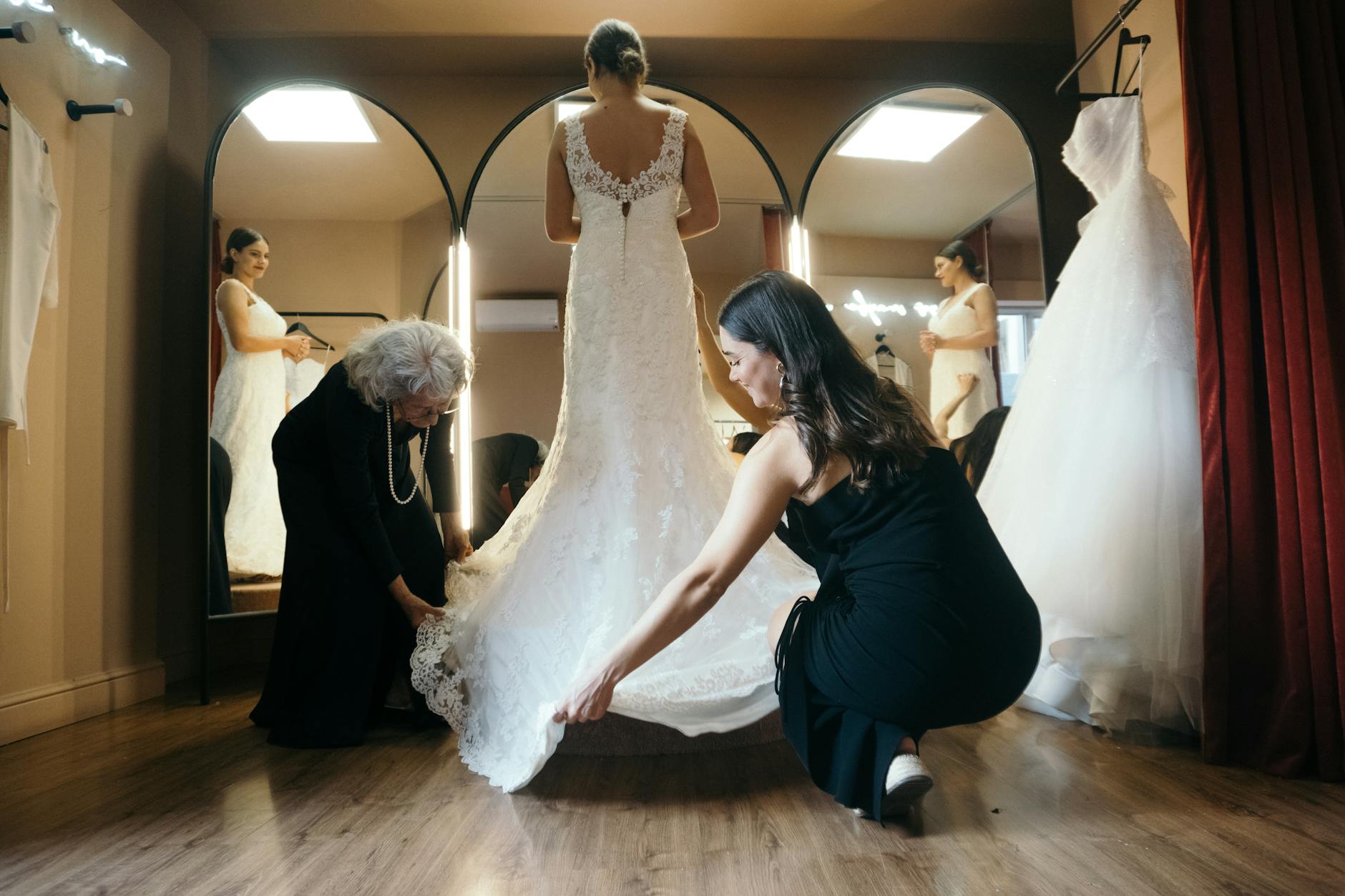
From Utility Service to Wedding Destination
For most of their history, alterations shops have functioned as a back-room necessity. Brides buy a gown somewhere else, then show up for three fittings with their Tupperware of pins and their mother in tow. The tailor does skilled, often undervalued work, charges a flat fee, and sends them on their way. The transaction has no atmosphere, no occasion, no markup beyond labor.
What some shop owners are recognizing is that brides – and their bridal parties – want to spend money on the experience of preparing for a wedding, not just the items they take home. A fitting suite reframes the alterations appointment from a chore into a celebration. Add a private dressing room with good lighting, a few chairs for guests, a champagne glass or two, and the appointment starts to feel like an event. That feeling has a price tag.
The operational logic is straightforward. Alterations shops already have the sewing infrastructure, the skilled staff, and a steady stream of bridal clients who found them through word of mouth or referrals from bridal boutiques. Converting a back corner or a separate room into a dedicated bridal suite requires renovation investment, but not the kind that involves inventory risk or new supply chains. The product is still skilled labor. The change is in how that labor is packaged and priced.
Shops that have made the move typically offer tiered bridal packages rather than itemized alteration fees. A base package covers the standard work – hem, bustle, side seams. A premium package adds multiple fittings, preservation consultation, veil attachment, and use of the private suite space. Some shops include a complimentary fitting appointment for the mother of the bride or maid of honor. The bundling alone can double or triple revenue per bridal client compared to charging by the alteration.
The Business Case Behind the White Curtains
Bridal alterations are unusually defensible as a revenue stream. Unlike general clothing repairs, which face price pressure from fast fashion’s disposability culture, wedding dress alterations are non-negotiable. A bride cannot skip the fitting. She will not take the dress to a cheaper shop if she trusts the hands doing the work. And the emotional stakes of the garment mean clients are far more willing to pay for quality and attention than they would be for a coat zipper replacement.
The suite model also solves a problem that has long frustrated alterations-only shops: the perception of being a secondary vendor. Bridal boutiques often position themselves as the primary relationship with the bride, while the alterations shop is an afterthought on a referral card. When a shop builds its own bridal suite, it becomes a destination rather than a footnote. Brides book appointments directly, sometimes before they have even chosen a dress, simply because the shop has a reputation for bridal expertise.
Referral dynamics shift too. A well-appointed bridal suite generates social media content. Brides photograph themselves in beautiful fitting rooms, tag the location, and create organic marketing that a plain alterations workroom never could. That visibility feeds back into bookings, and not only for bridal work – it raises the profile of the shop for all services.
Staffing is where this model gets complicated. A tailor skilled enough to alter a beaded Vera Wang gown is not easy to find or retain. The move into premium bridal services only works if the technical skill matches the elevated presentation. Shops that have invested in the suite aesthetic without investing in their team’s bridal-specific training find that the experience premium collapses quickly under a single bad fitting. Reputation in bridal is built slowly and destroyed fast, especially in the age of review platforms and wedding forums where brides compare notes obsessively.
Pricing transparency is another tension point. Bridal alterations costs vary enormously depending on the gown’s construction, fabric, and the extent of changes needed. A strapless ball gown with 15 layers of tulle and a cathedral train costs far more to alter than a simple slip dress. Shops moving into the suite model have to decide whether to commit to package pricing – which is easier to market but sometimes leaves money on the table – or stick with per-alteration quotes, which are accurate but less appealing to brides who want to know their total spend upfront.
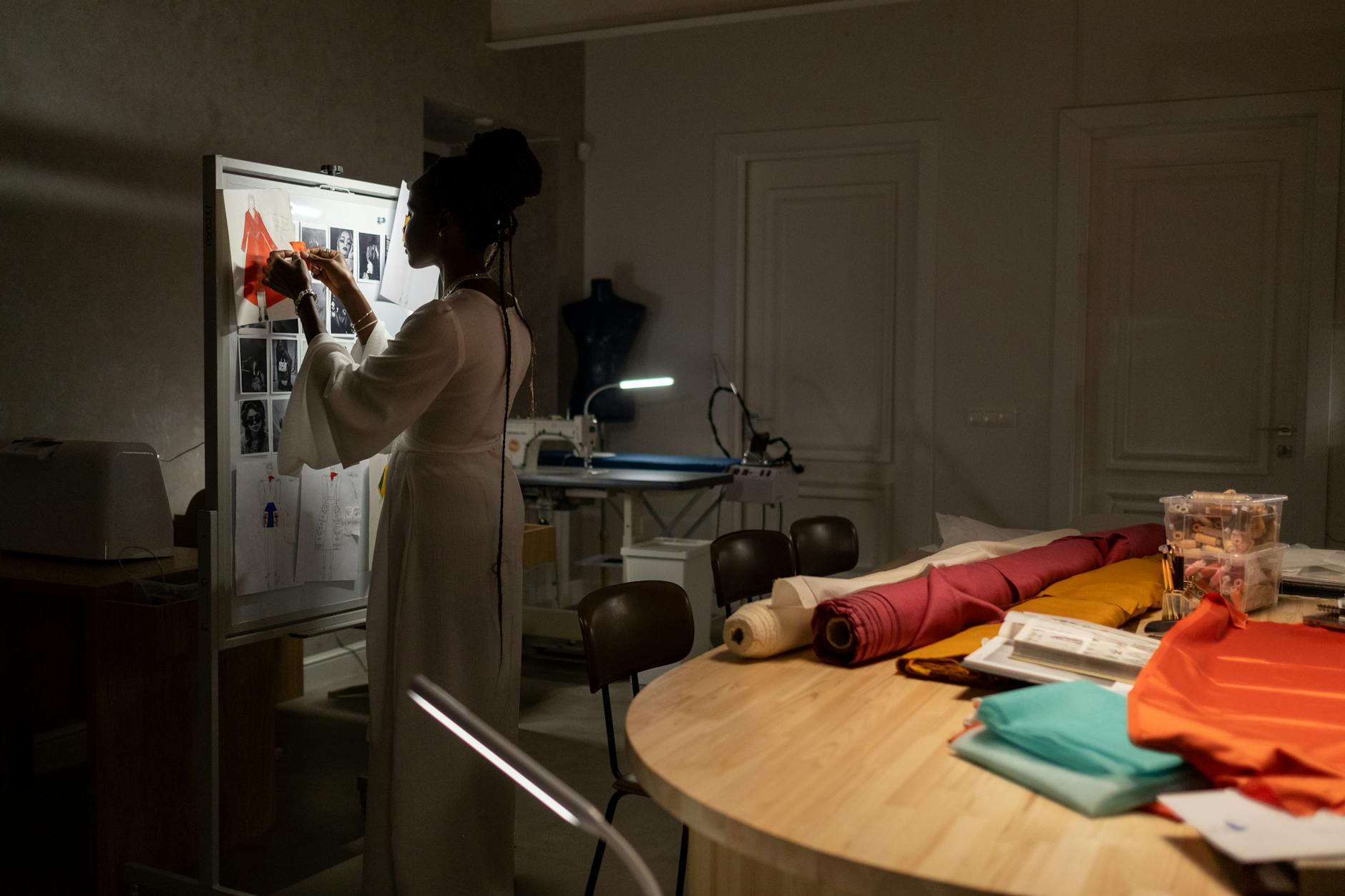
What This Means for Small Business Owners Watching the Trend
This pattern – a service business identifying a premium niche within its existing client base and building a physical experience around it – is something small business owners across retail and services are exploring. The surge in adult-focused studio classes follows similar logic: find the client who is emotionally invested, build something that matches that investment, and price accordingly. The underlying move is the same whether the product is a dress fitting or a dance class.
For alterations shops specifically, the bridal suite expansion does carry one quiet risk worth naming. Bridal seasons are not evenly distributed. Spring and fall see heavy demand; January bookings can go quiet. Shops that renovate for a bridal experience need to think carefully about how that space earns money in the off-peak months – whether through non-bridal events, formalwear fittings, or rental arrangements with photographers who need well-lit private rooms. The suite is an asset. An empty suite, even a beautiful one, is overhead.
The shops doing this most successfully are not trying to become bridal boutiques. They are not stocking gowns or competing on selection. They are staying exactly where their expertise lives – in the fit, the finish, the final mile of making a dress right – and charging what that expertise is worth in a room that finally looks the part.