




Small print shops across the country are discovering new revenue streams by expanding beyond traditional copying and printing services into custom packaging design. These neighborhood businesses, many of which struggled during the digital transition of the past decade, are now capitalizing on the e-commerce boom that demands distinctive, branded packaging solutions.
The shift represents a natural evolution for shops already equipped with high-quality printers, design software, and customer service expertise. Rather than competing solely on price for standard print jobs, these businesses are positioning themselves as local partners for small retailers, startups, and artisans who need custom packaging but lack the volume to justify working with large commercial packaging companies.
The Technical Advantage
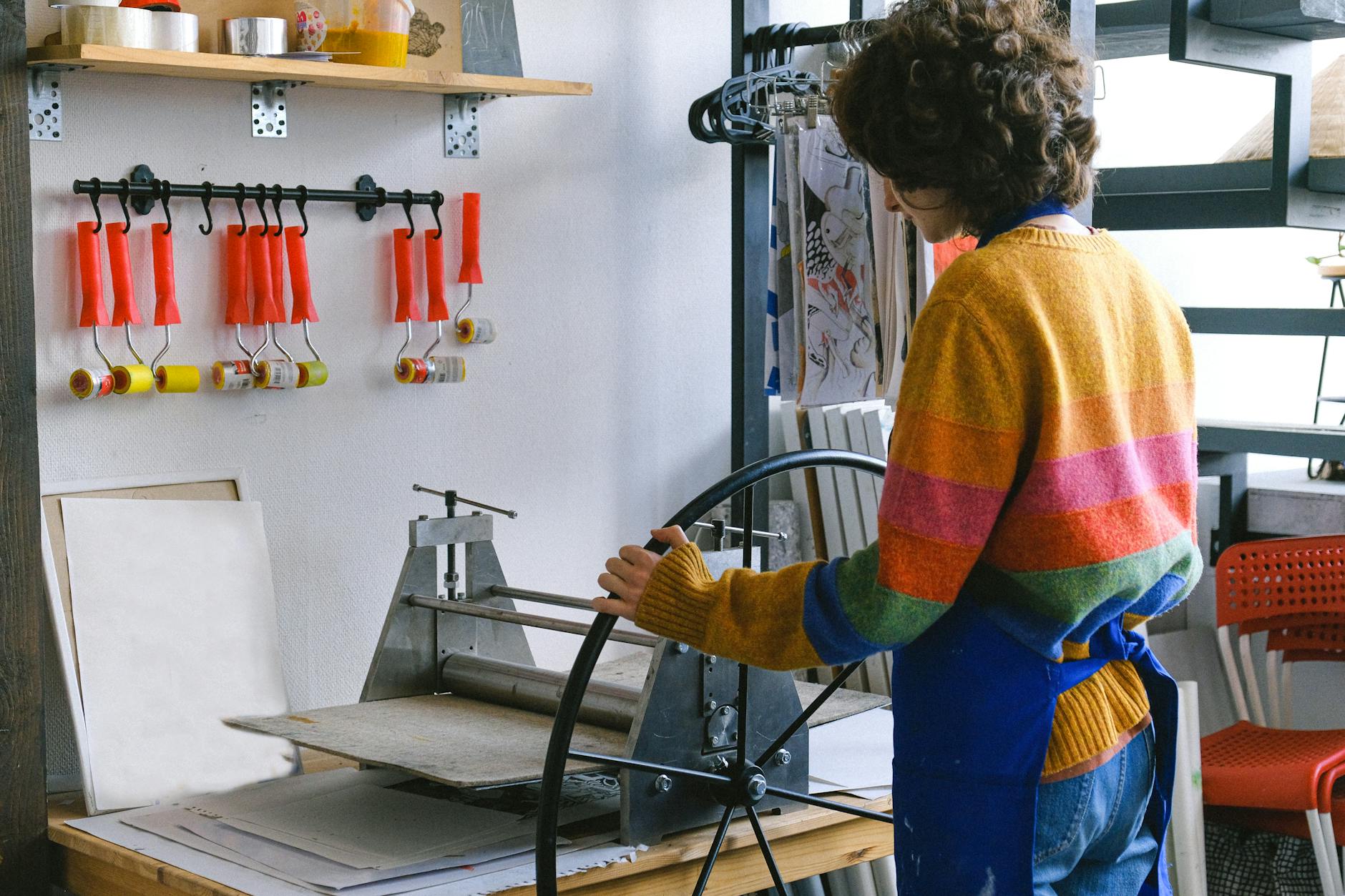
Print shops possess equipment that translates directly to packaging design work. Large-format printers can produce prototype boxes and bags, while laser cutters create precise die-cuts for unique shapes. Digital printing technology allows for short runs of custom packaging without the setup costs associated with traditional offset printing.
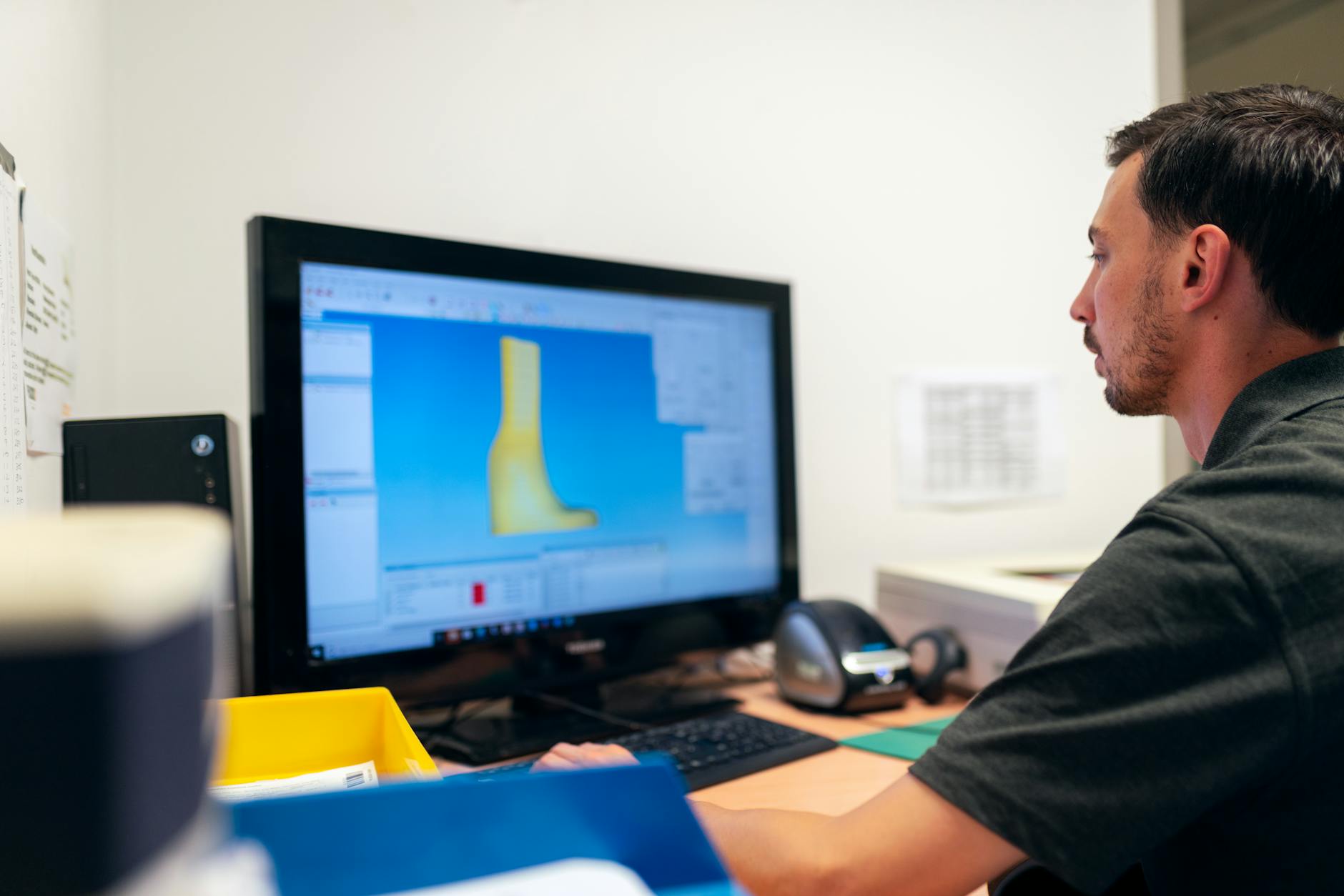
The design capabilities matter just as much as the printing hardware. Many shop owners have decades of experience with layout software, color matching, and production workflows. This expertise proves valuable when helping clients navigate packaging requirements like FDA compliance for food products or shipping durability standards for fragile items.
Local proximity creates another advantage over distant packaging manufacturers. Small business owners can visit the print shop to examine paper samples, discuss design revisions face-to-face, and receive rapid prototypes. This hands-on consultation process often leads to better final products and stronger client relationships.
Market Demand Factors
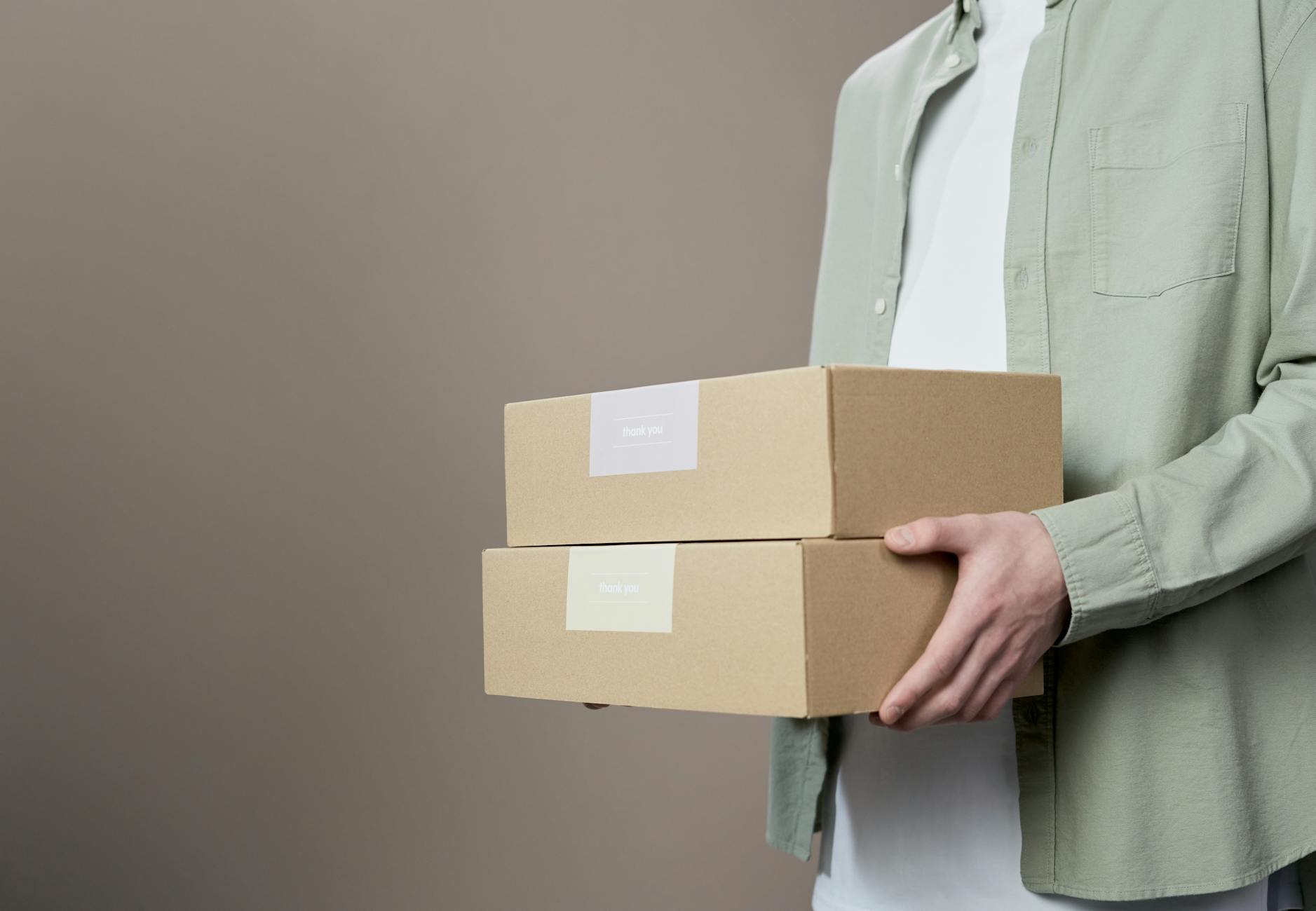
E-commerce growth has created packaging needs that didn’t exist when most print shops opened their doors. Online sellers need boxes, mailers, tissue paper, stickers, and thank-you cards that reflect their brand identity. The unboxing experience has become a marketing tool, driving demand for thoughtful packaging design.
Small batch production requirements align perfectly with print shop capabilities. A local soap maker might need 100 custom boxes monthly, while a jewelry designer requires 50 branded pouches quarterly. These order sizes are often too small for large packaging companies but ideal for neighborhood print shops.
Revenue Structure and Pricing
Custom packaging services typically command higher margins than standard print jobs. While basic photocopying might generate 10-15% profit margins, packaging design projects often yield 40-60% margins due to the creative input and problem-solving involved.
Print shops structure pricing around design time, materials, and production complexity. A simple logo placement on stock boxes might cost $2-3 per unit for short runs, while fully custom die-cut packaging with specialty papers can reach $8-15 per unit. Design consultation fees range from $50-150 per hour, with many shops offering package deals that bundle design and production services.
The recurring nature of packaging orders provides steady revenue streams. Unlike one-time print jobs, businesses need packaging continuously as they sell products. This creates predictable monthly income and stronger client relationships that often expand into other services like business cards, promotional materials, and signage.
Volume flexibility allows print shops to serve diverse client bases simultaneously. They might produce 50 luxury gift boxes for a boutique chocolatier in the morning and 200 shipping mailers for an online clothing retailer in the afternoon. This variety helps balance seasonal fluctuations and reduces dependence on any single client or industry.
The packaging market continues expanding as more businesses recognize the marketing value of distinctive packaging. Print shops that master this service area position themselves for sustained growth in an industry where traditional services face ongoing digital pressure. The combination of existing equipment, design expertise, and local market access creates opportunities that many shop owners are just beginning to explore.