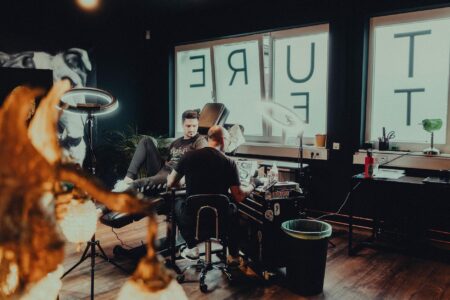





Photography studios across the country are discovering that their camera equipment and visual expertise translate into a profitable new revenue stream. Real estate agents and property managers increasingly need high-quality virtual tours to showcase listings, creating demand that traditional photographers are uniquely positioned to fill. The pivot requires minimal additional investment but opens access to a market worth billions annually.
Many studios started offering virtual tour services during pandemic-related lockdowns when traditional portrait and event bookings disappeared. The timing proved fortuitous as buyers shifted toward online property searches and remote viewing became standard practice.
Equipment Investment Pays Off Quickly
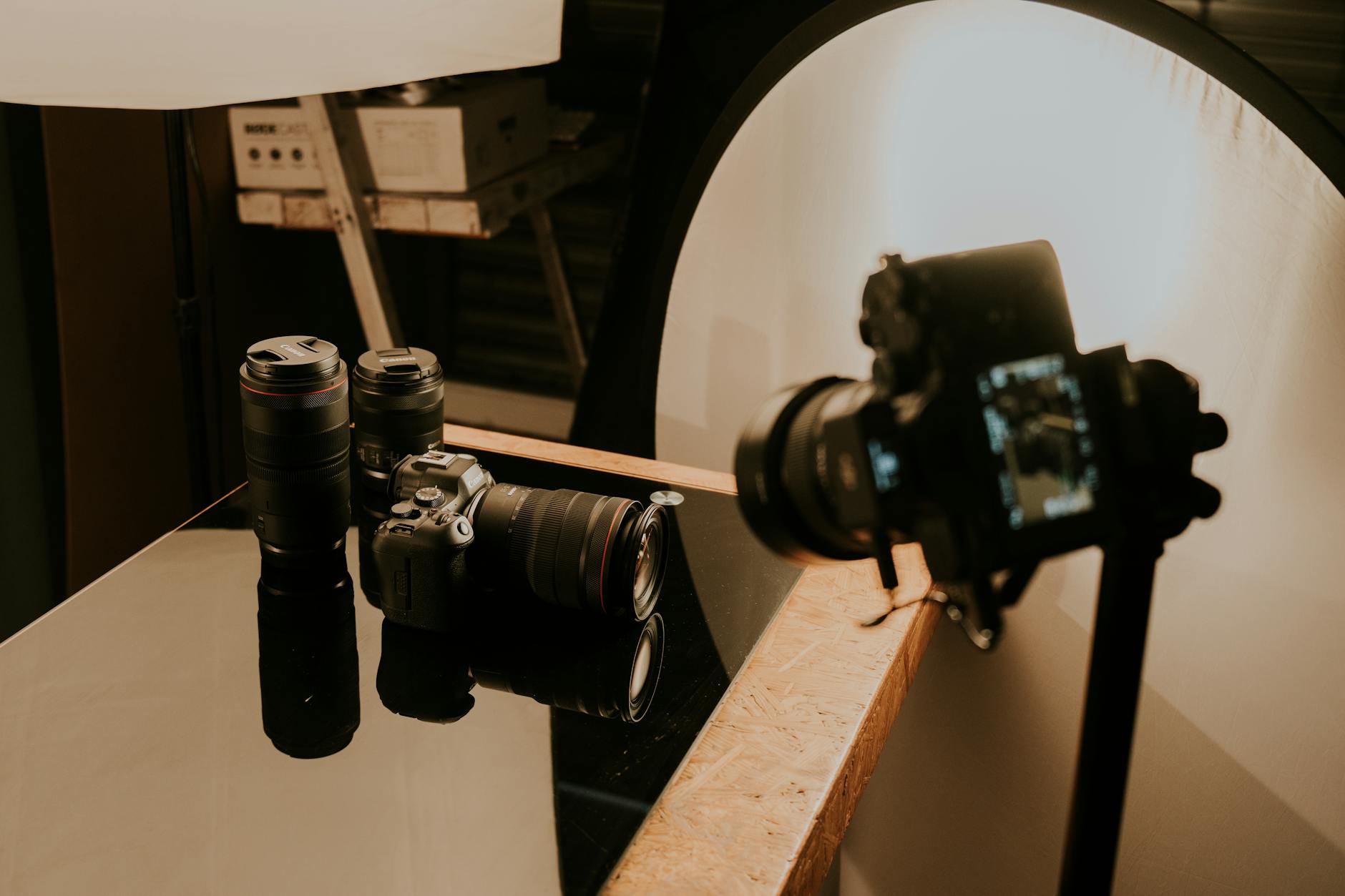
The technical barrier to entry remains surprisingly low for established photography businesses. Studios already own professional cameras, lighting equipment, and editing software that form the foundation of virtual tour creation. The main addition involves 360-degree cameras, which range from $300 consumer models to $2,000 professional units, plus tripods designed for seamless rotation.
Software subscriptions for virtual tour platforms typically cost between $50 and $200 monthly, depending on features and hosting capacity. These platforms allow photographers to stitch together panoramic images, add interactive hotspots, and embed property details directly into the tour experience. The learning curve spans just a few weeks for photographers already comfortable with post-production workflows.
The return on this modest investment arrives quickly. Virtual tours command premium pricing compared to standard real estate photography, with rates ranging from $200 to $800 per property depending on size and complexity. Studios report booking 15 to 25 virtual tours monthly once they establish relationships with local agents and property management companies.
Building Relationships with Real Estate Professionals
Success hinges on understanding real estate sales cycles and agent preferences rather than pure photographic skill. Agents need quick turnaround times, often requesting completed tours within 24 to 48 hours of shooting. This timeline pressure means studios must streamline their workflow and maintain consistent availability during peak listing seasons.
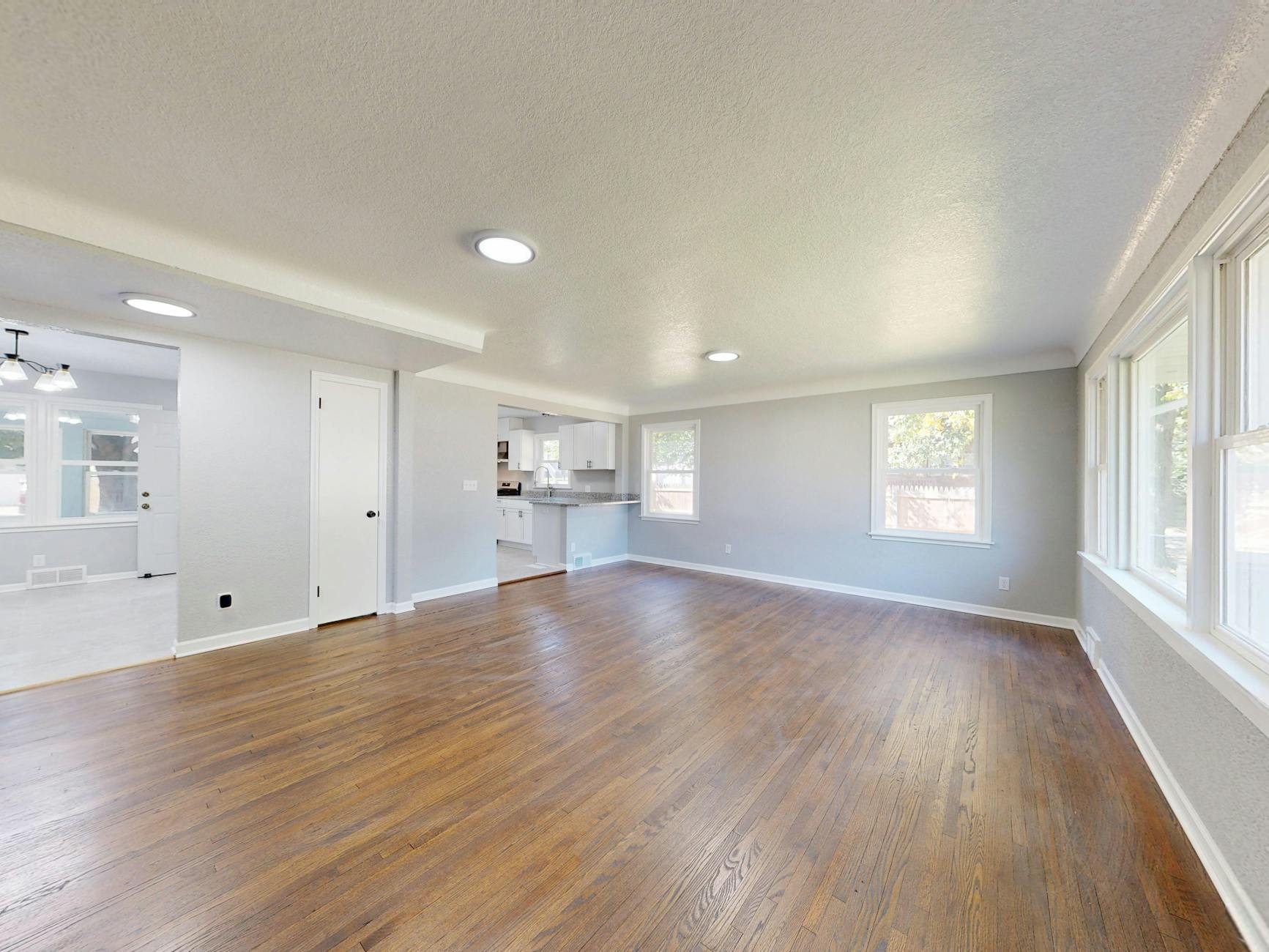
Photography studios that thrive in this market invest time in educating agents about virtual tour benefits rather than simply promoting their services. Agents who understand how interactive tours increase online engagement and reduce unnecessary showings become repeat customers. Studios often provide comparative data showing how listings with virtual tours receive more clicks and generate faster sales.
The relationship-building extends beyond individual agents to brokerages and property management firms handling multiple properties. Bulk contracts for apartment complexes, commercial spaces, or luxury home developments provide steady income streams that traditional event photography cannot match. Some studios now generate 40 to 60 percent of their revenue from real estate virtual tours.
Market Expansion Beyond Residential Properties
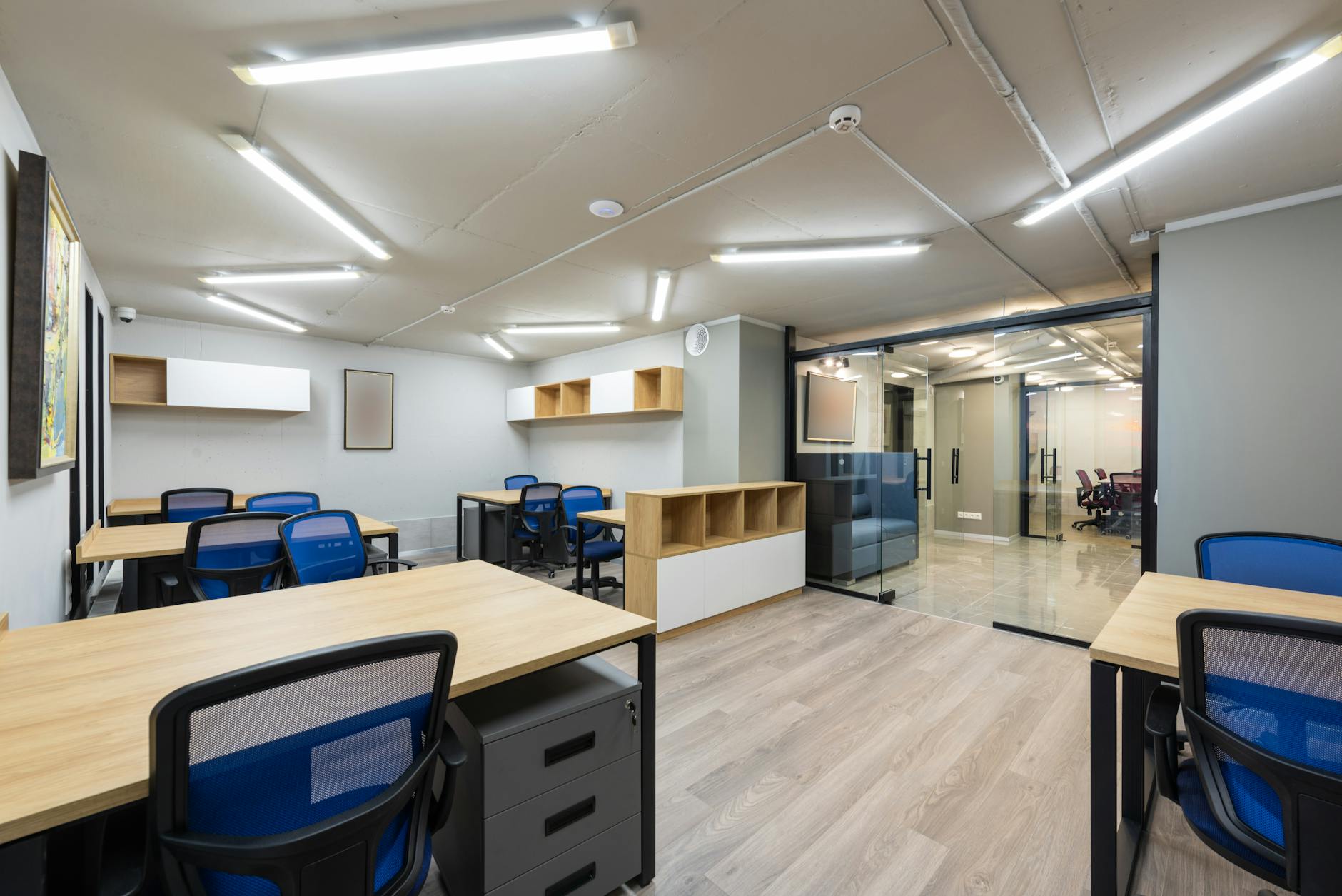
Commercial real estate presents the highest-value opportunities for photography studios willing to tackle larger, more complex properties. Office buildings, retail spaces, and industrial facilities require extensive virtual tours that can command $1,500 to $5,000 per project. The longer production timeline and specialized requirements create barriers that limit competition from amateur photographers.
Hotels and vacation rental properties represent another growth segment, particularly as property owners seek to differentiate their listings on booking platforms. These clients often request additional services like video walkthroughs, drone footage, and seasonal updates that increase project value. The recurring nature of vacation rental photography provides predictable income as properties refresh their marketing materials regularly.
The expansion into virtual staging services adds another revenue layer. Studios partner with digital staging companies to offer furnished room visualizations within their virtual tours, commanding additional fees of $25 to $75 per room. This service appeals particularly to agents selling vacant properties or new construction where buyers struggle to visualize the space potential. Some photography studios now earn more from virtual staging add-ons than from the base tour service itself.