




The Restoration Revival
Small-town auto shops are discovering gold in rust. Classic car restoration services have become a profitable sideline for mechanics who once focused solely on routine maintenance and repairs. The demand for vintage vehicle restoration has created a niche market where skilled craftsmen can command premium rates for specialized work.
Labor rates for restoration work typically run 25-40% higher than standard automotive repair.
These projects often span months or even years, providing steady revenue streams that help smooth out the seasonal fluctuations common in traditional auto repair businesses. Shop owners report that restoration clients tend to be less price-sensitive than typical customers, viewing the work as an investment in their passion rather than a necessary expense.
From Oil Changes to Automotive Archaeology
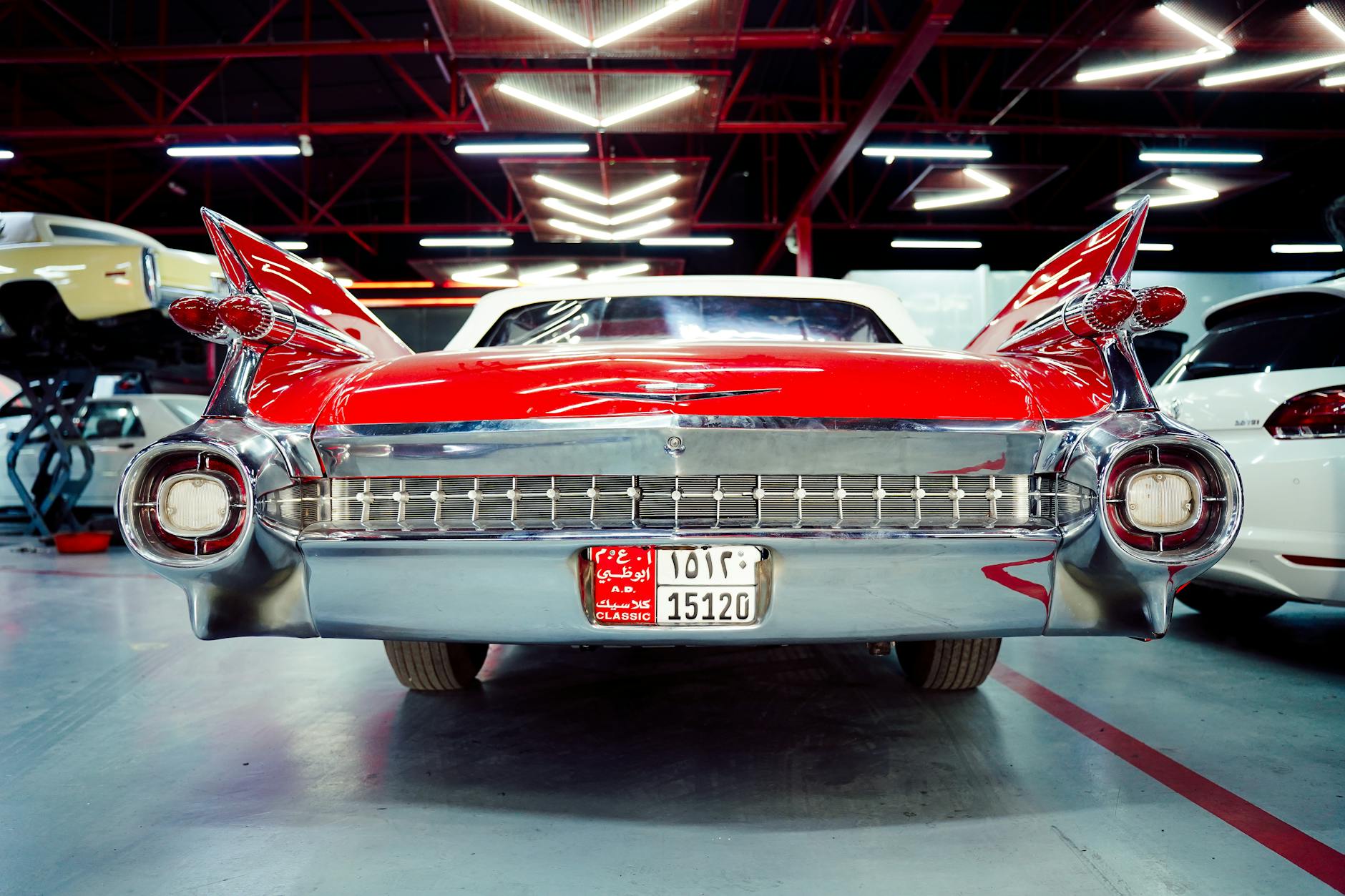
The transition into restoration work requires mechanics to expand their skill sets beyond modern automotive systems. Many shops invest in training for bodywork, upholstery repair, and engine rebuilding techniques that haven’t been used in decades. The learning curve can be steep, but the financial rewards justify the effort.
Parts sourcing becomes an art form in restoration work. Mechanics develop networks of specialty suppliers, salvage yards, and reproduction parts manufacturers. Some shops even begin manufacturing their own replacement parts for particularly rare vehicles, creating additional revenue opportunities. The markup on specialty parts often exceeds 100%, compared to typical aftermarket components that carry much smaller margins.
Customer relationships in restoration work differ dramatically from standard repair services. Restoration clients frequently become long-term partners in the project, making regular visits to check progress and discuss options. This personal involvement creates stronger customer loyalty and often leads to referrals within classic car communities. The social aspect of restoration work helps mechanics build relationships that extend far beyond the garage.
Marketing Muscle and Memory Lane
Successful restoration shops tap into the emotional connection people have with vintage automobiles. Marketing focuses on storytelling rather than technical specifications. Before-and-after photographs become powerful sales tools, showcasing transformations that border on miraculous. Social media platforms provide ideal venues for documenting restoration progress, attracting potential customers who might never have considered such services.
Word-of-mouth remains the primary driver of restoration business. Classic car shows, cruise nights, and automotive clubs serve as informal marketing venues where completed projects speak for themselves. Many shops report that a single high-quality restoration can generate years of referral business. The visibility of classic cars on the road acts as mobile advertising for the shops that restored them.
Pricing restoration work requires balancing profitability with customer expectations. Shops often provide detailed estimates that break down labor and parts costs, helping customers understand the investment required. Some mechanics offer payment plans or milestone-based billing to make larger projects more manageable for customers. The key lies in transparent communication about timelines and costs from the project’s outset.
The Bottom Line on Chrome and Cash
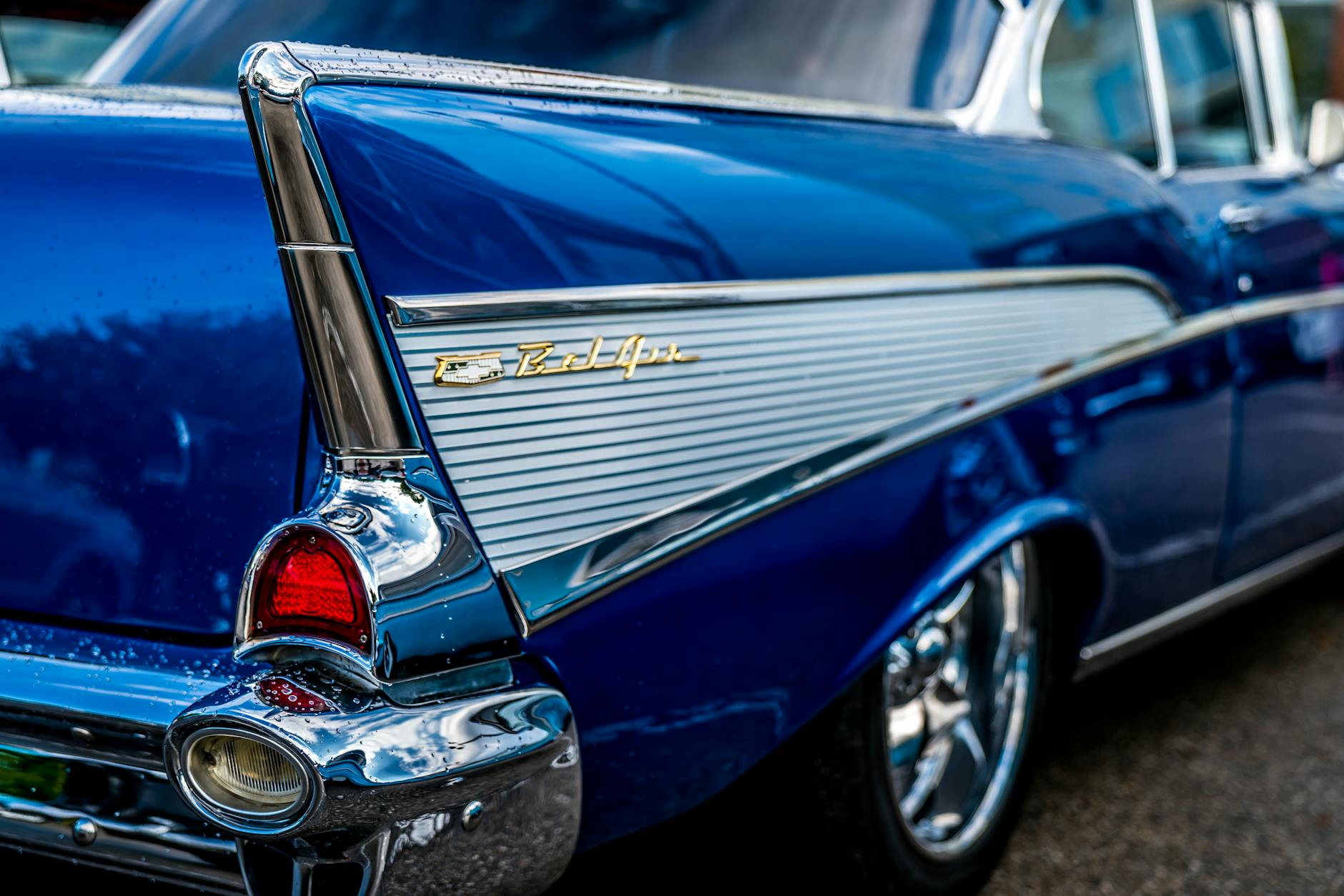
Classic car restoration represents more than just another service offering for local mechanics. It provides an opportunity to differentiate from chain shops and quick-lube operations that dominate routine maintenance. The specialized knowledge required creates barriers to entry that protect profit margins, while the passionate customer base ensures steady demand. Most importantly, restoration work allows mechanics to practice their craft at the highest level, turning everyday repair shops into destinations for automotive enthusiasts willing to pay premium prices for exceptional results.