



Small business owners searching for additional revenue streams are discovering that hands-on educational experiences can transform seasonal inventory challenges into year-round profit centers. Flower shops across the country have found particular success with preserved flower workshops, turning what was once considered waste material into premium learning experiences that command $75 to $150 per participant.
The Economics of Educational Workshops
Traditional florists face predictable revenue fluctuations tied to holidays, wedding seasons, and weather patterns. Fresh flower sales peak during Valentine’s Day, Mother’s Day, and wedding season, leaving significant revenue gaps during slower months. Workshop classes provide a stable income source that operates independently of these seasonal constraints, allowing flower shops to maintain consistent cash flow throughout the year.
The financial model for preserved flower workshops creates multiple revenue opportunities within a single business framework. Class fees typically range from $75 to $150 per person for a three-hour session, with materials costs averaging $15 to $25 per participant. A single workshop with eight participants generates between $600 and $1,200 in gross revenue, with profit margins often exceeding 70 percent when factoring in instructor time and facility overhead.
Most successful programs operate on a tiered pricing structure that accommodates different skill levels and time commitments. Beginner classes focus on simple arrangements and basic preservation techniques, while advanced workshops teach complex wreath-making or large-scale installation methods. Private group bookings for corporate team-building events or bridal parties command premium rates, often reaching $200 per person for customized experiences.
The workshop model also creates secondary revenue streams through retail sales of preservation supplies, tools, and take-home kits. Participants frequently purchase additional materials to continue projects at home, and many return as regular customers for fresh flowers and supplies. This customer retention aspect transforms one-time workshop attendees into ongoing revenue sources for the primary florist business.
Operational Implementation and Market Positioning
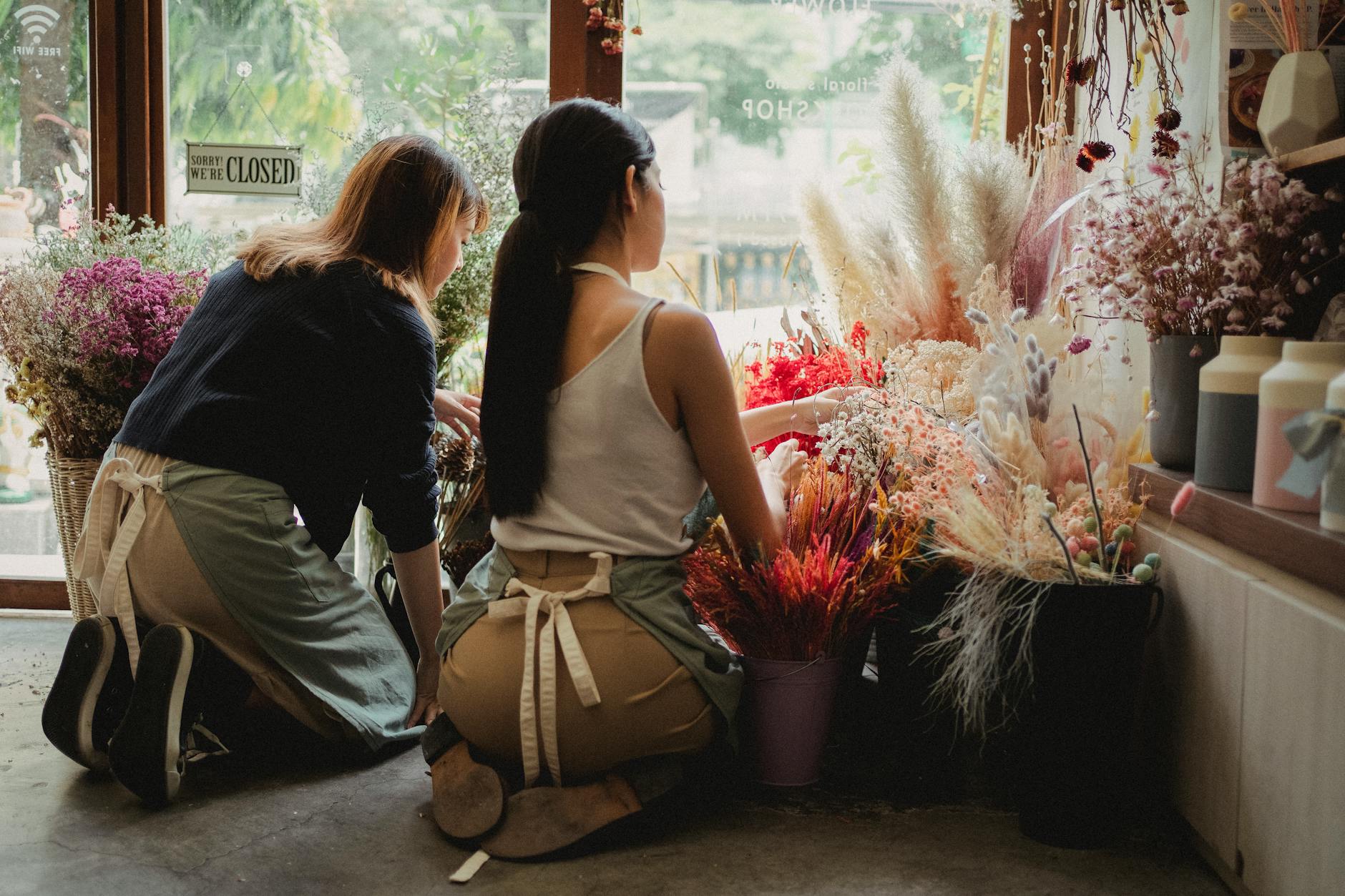
Setting up a preserved flower workshop program requires minimal additional space and equipment beyond what most established florists already maintain. The preservation process primarily uses air-drying, glycerin treatments, or silica gel methods that don’t require specialized machinery or extensive facility modifications. Most shops dedicate 200 to 400 square feet of workspace that can accommodate 6 to 12 participants comfortably, often utilizing the same tables and storage areas used for regular flower arrangement work.
The target market extends far beyond traditional flower-buying customers. Workshop participants include craft enthusiasts, retirees seeking social activities, professionals looking for stress relief, and individuals interested in sustainable decorating practices. Corporate groups book team-building sessions, while wedding parties use workshops as unique bridal shower or bachelorette activities. This demographic diversity creates opportunities to market through different channels and price points.
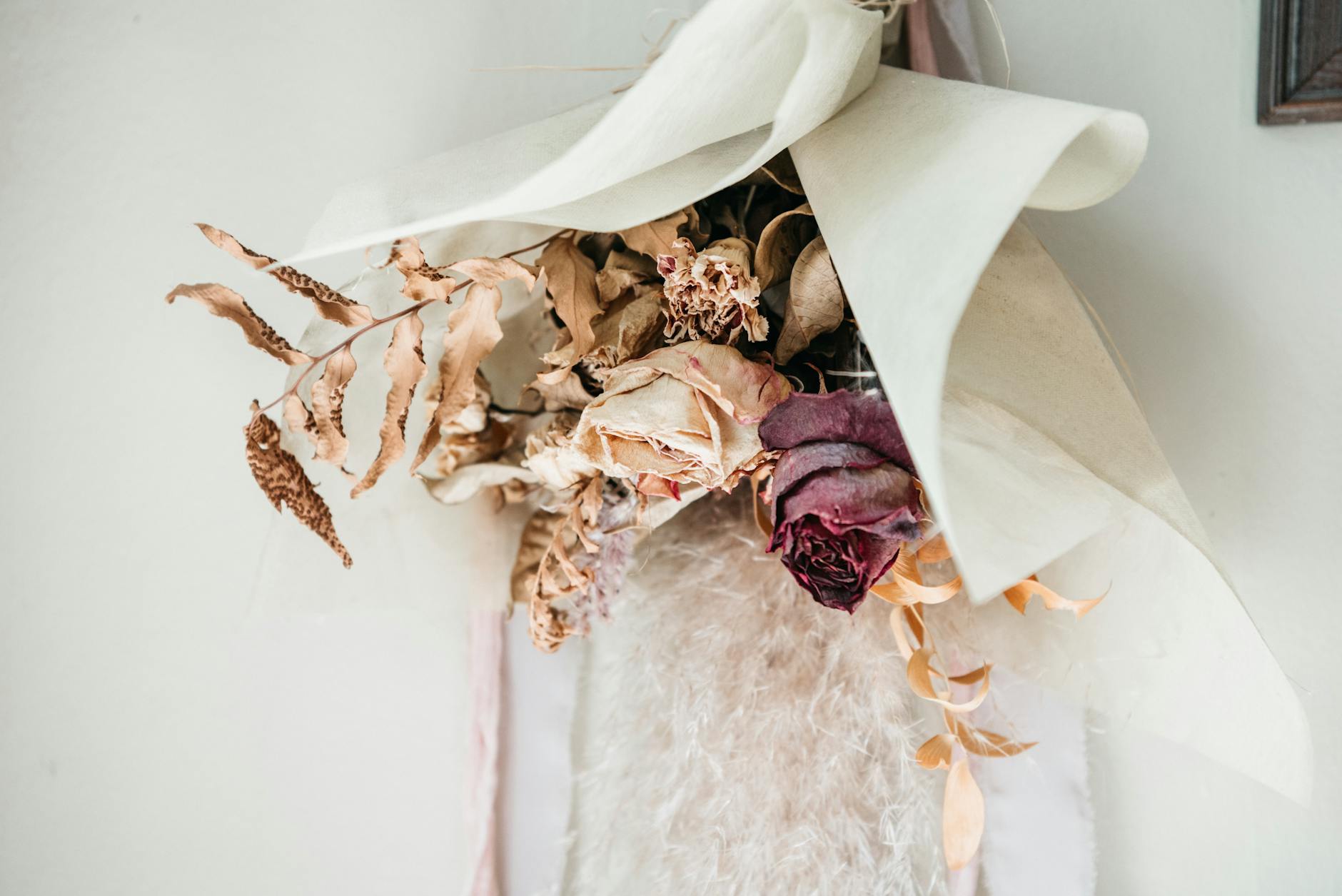
Successful florists position these workshops as premium lifestyle experiences rather than simple craft classes. The emphasis on sustainability appeals to environmentally conscious consumers who appreciate learning to preserve natural materials rather than discarding them. Many programs incorporate education about flower varieties, seasonal availability, and botanical knowledge that participants find valuable beyond the immediate crafting experience.
Marketing strategies often leverage social media platforms where participants share photos of their finished arrangements, creating organic promotion for future classes. Word-of-mouth referrals drive significant enrollment, particularly when workshops consistently deliver high-quality instruction and materials. Some shops partner with local wineries or cafes to create hybrid experiences that combine flower preservation with refreshments, further differentiating their offerings from standard craft store alternatives.
Pricing strategies vary based on local market conditions and competition, but most successful programs charge premium rates that reflect the personalized instruction and quality materials provided. The key lies in communicating value through expert knowledge, unique techniques, and professional-grade supplies that participants cannot easily access elsewhere. This positioning allows florists to avoid competing directly with mass-market craft retailers or online tutorial videos.
Long-term Business Development
The workshop model creates opportunities for expansion beyond basic preserved flower classes. Many florists develop specialized programs around seasonal themes, holiday decorations, or specific techniques like pressed flower art or botanical dyeing. Advanced participants often request multi-session courses that explore complex preservation methods or large-scale project development, allowing businesses to develop ongoing relationships with dedicated students.
Some flower shops have discovered that workshop instructors become valuable assets for private consulting and event design services. Participants who develop skills through classes frequently hire the same instructors for home decorating projects, wedding planning, or special event design. This evolution from group instruction to individual consulting can generate hourly rates of $100 to $200, significantly higher than typical retail flower sales margins.
The preserved flower workshop trend raises questions about scalability and market saturation as more florists adopt similar programs. Early adopters in smaller communities often establish dominant positions before competitors enter the market, but urban areas can support multiple workshop providers if they differentiate through specialized techniques or target demographics. The challenge becomes maintaining quality instruction while managing increased demand and potential staffing limitations.
Frequently Asked Questions
How much can florists charge for preserved flower workshops?
Most successful programs charge $75-150 per person for 3-hour sessions, with private group bookings reaching $200 per participant.
What profit margins do flower workshop classes generate?
Workshop profit margins typically exceed 70% when factoring in material costs of $15-25 per participant and instructor time.