





Adults Are Signing Up, and Dance Studios Are Cashing In
Walk past most local dance studios on a Tuesday night and you will likely see something that would have surprised studio owners a decade ago: a room full of adults, many of them well past college age, learning the basics of salsa, contemporary, or ballroom for the very first time. Adult beginner classes have quietly become a reliable revenue stream for small dance studios across the country, filling schedule gaps, stabilizing cash flow, and attracting a demographic that actually shows up and pays on time.
The appeal makes sense from both sides of the transaction. Adults are drawn to dance as a form of social activity, fitness, stress relief, and creative expression – none of which requires prior training to pursue. For studio owners, beginners require no competitive infrastructure, no recital costumes, no competitive fees, and no parent meetings. They just need a good teacher, a welcoming environment, and a structured eight-week course they can commit to without rearranging their entire lives.

Why the Business Model Works So Well
Traditional dance studios built their revenue around youth programs: after-school classes, competition teams, recitals. That model works, but it comes with significant overhead – performance costumes, competition entry fees, demanding parents, and a student base that ages out and must be constantly replaced. Adult beginner programs sidestep most of those costs entirely. There are no recitals to stage, no costumes to coordinate, and no competitive season driving the calendar.
Beginner adult classes also carry strong margins because they require very little customization per student. A single instructor can run a group of fifteen to twenty adults through the same foundational curriculum for six to ten weeks, charging per session or as a package. The instructor cost stays flat while revenue scales with enrollment. Studios that run multiple beginner tracks simultaneously – say, a Monday ballroom session and a Thursday Latin session – can generate consistent weekly income without adding staff or extending hours dramatically.
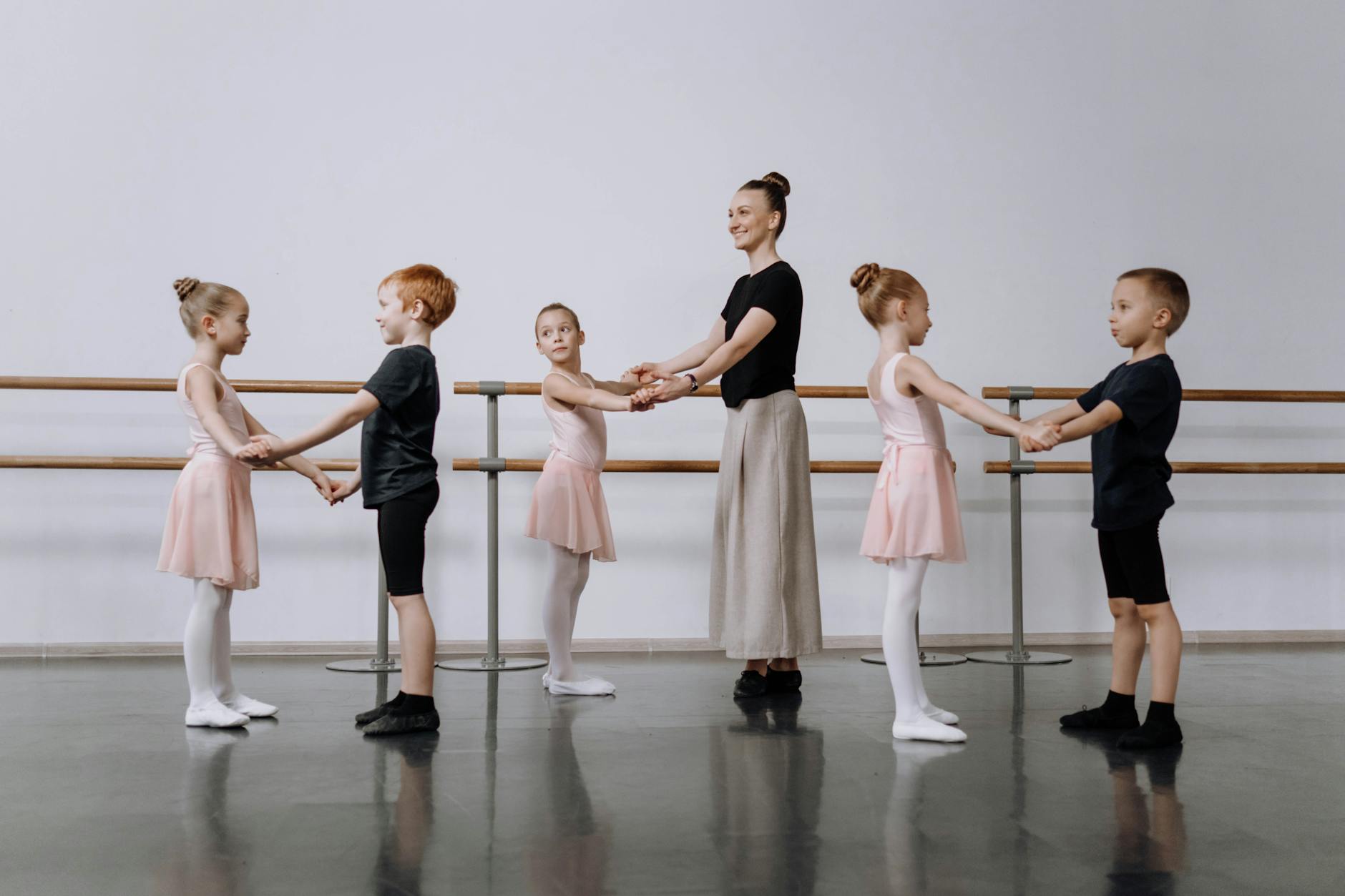
Pricing, Packaging, and the Repeat Customer
The smartest studios are not treating adult beginners as a one-and-done transaction. They structure beginner classes as the entry point into a longer customer journey. After an eight-week beginner course, students are offered an intermediate follow-up, a social dance practice night, or a private lesson package. That progression model converts a single $150 enrollment into a relationship worth several hundred dollars per year without aggressive upselling.
Drop-in pricing is another lever studios are using strategically. A drop-in rate set deliberately high – say, $25 to $35 per class – makes the package deal look attractive by comparison, nudging students toward upfront commitments that secure revenue before the class even begins. Pre-sold packages reduce the risk of a half-empty class eating into the economics of running the session at all.
Social dance formats like salsa, swing, and Argentine tango carry a particular advantage: they are inherently partner-based, which creates a built-in social dynamic that keeps students coming back. People form friendships in those rooms. They start showing up for each other, not just for the lesson. That stickiness is worth more to a studio than any promotional campaign because it reduces churn without any additional marketing spend.
Private lessons, often sold as add-ons for adults preparing for a wedding or a special event, carry the highest margin of any offering in the studio. An adult who takes a beginner group class and then books four private sessions ahead of their daughter’s wedding is a more profitable customer than many annual youth program enrollees. Studios that market specifically to engaged couples or milestone event attendees are tapping a steady and motivated market segment year-round.
What Keeps Adults Coming Back
Retention in adult programs depends heavily on how the beginner experience feels, not just what it teaches. Adults are acutely aware of looking foolish, which means a studio that normalizes mistakes, celebrates small progress, and creates a non-judgmental atmosphere will retain students far longer than one that treats beginners as inferior to the competitive kids in the back studio. The tone the instructor sets in week one determines whether students return for week two and whether they eventually buy into the next course.
Studios that invest in the social dimension – brief mixers after class, themed dance nights, casual practice sessions on off-peak evenings – build community around the product. That community becomes the product. When a student feels like they belong to something, canceling a membership becomes socially costly, not just financially inconvenient. This is why studios with strong adult programs often report that their beginner cohorts self-organize, forming WhatsApp groups and making plans outside the studio entirely.
The Scheduling Advantage No One Talks About
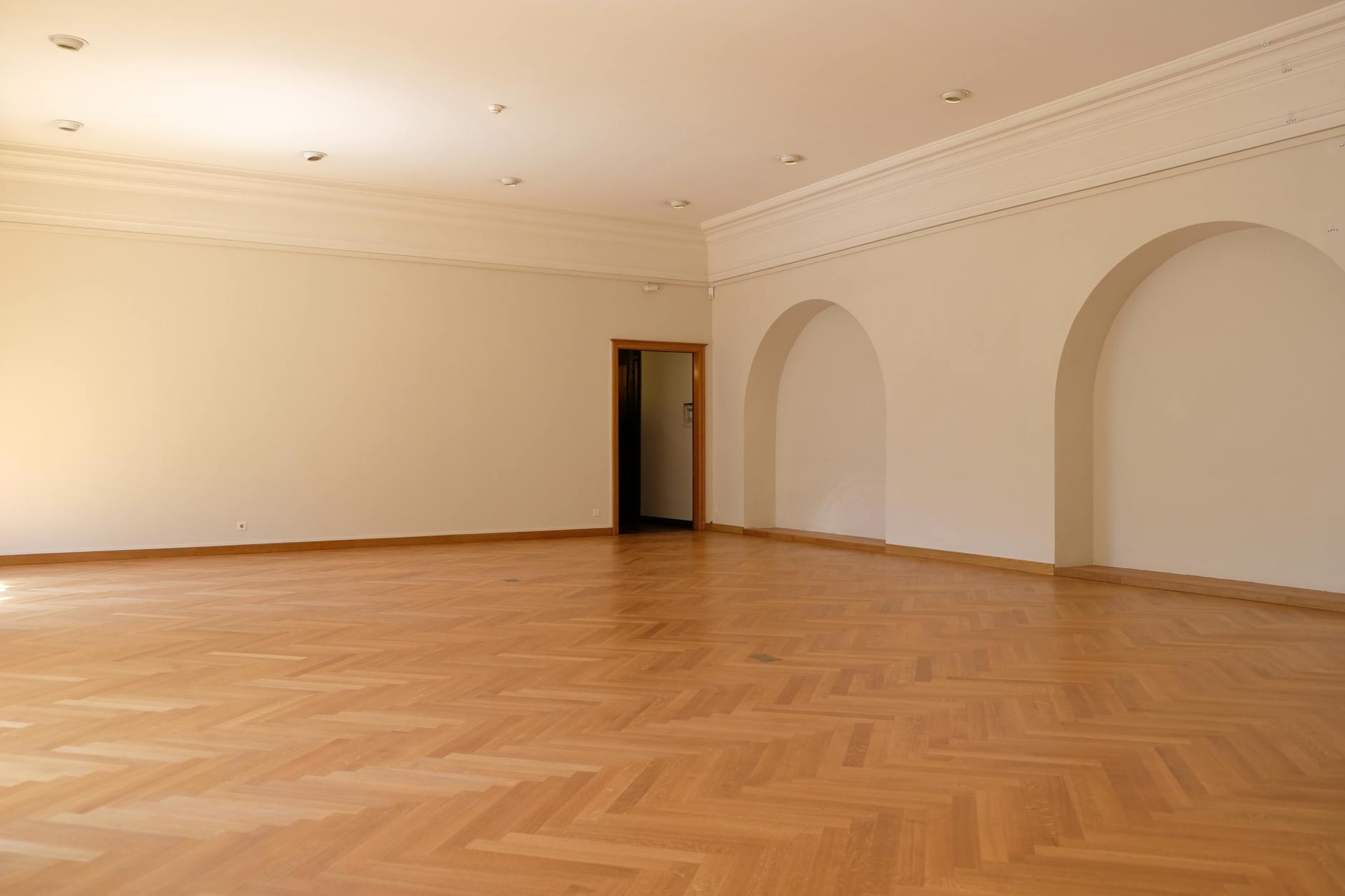
For a small studio running youth programs during after-school hours, the schedule tends to go dead between 10 a.m. and 2 p.m. on weekdays and on Sunday mornings. Adult beginner classes fill exactly those dead zones. A studio that runs a mid-morning beginners’ class for retirees or remote workers is generating revenue from floor space that would otherwise sit empty. The incremental cost of running that class – mostly instructor time and studio utilities – is minimal compared to the income it produces.
Weekend morning slots work particularly well for adult learners who cannot commit to a weeknight. A Saturday 9 a.m. Latin basics class targets a specific demographic: people who want fitness and fun before the rest of their weekend begins. Those students are often more consistent attendees than evening participants because the slot does not compete with after-work social plans or family obligations.
Studios that have mapped their scheduling carefully are finding that adult programs can account for a substantial portion of weekly revenue despite requiring no additional space or significant new equipment. The constraint is not physical capacity – it is instructor availability and the studio’s willingness to market to adults directly and without apology. Many studios still treat adult programming as secondary to youth classes in their marketing, which means the ceiling on this revenue stream is still far from reached for most small operators.
Frequently Asked Questions
How much can a dance studio charge for adult beginner classes?
Group beginner courses typically range from $100 to $200 for a six-to-eight-week package, with drop-in rates set higher to encourage upfront enrollment.
Are adult dance programs more profitable than youth programs?
Adult programs often carry stronger margins because they require no recital production, competition fees, or costume coordination, and students tend to commit to packages in advance.