




The garage bay that once housed oil changes and brake repairs now features a sleek charging station where Tesla Model 3s and Ford Mustang Mach-Es power up. Across America, independent auto shops are discovering that the electric vehicle revolution isn’t killing their business – it’s creating new revenue streams worth thousands per month.
While many traditional mechanics initially viewed EVs as a threat, forward-thinking shop owners are embracing the transition by installing charging infrastructure. The math is compelling: a single Level 2 charging station can generate $200 to $800 monthly in additional revenue, while creating a captive customer base that spends money on coffee, snacks, and traditional vehicle services while waiting.
The Business Case for Charging Stations
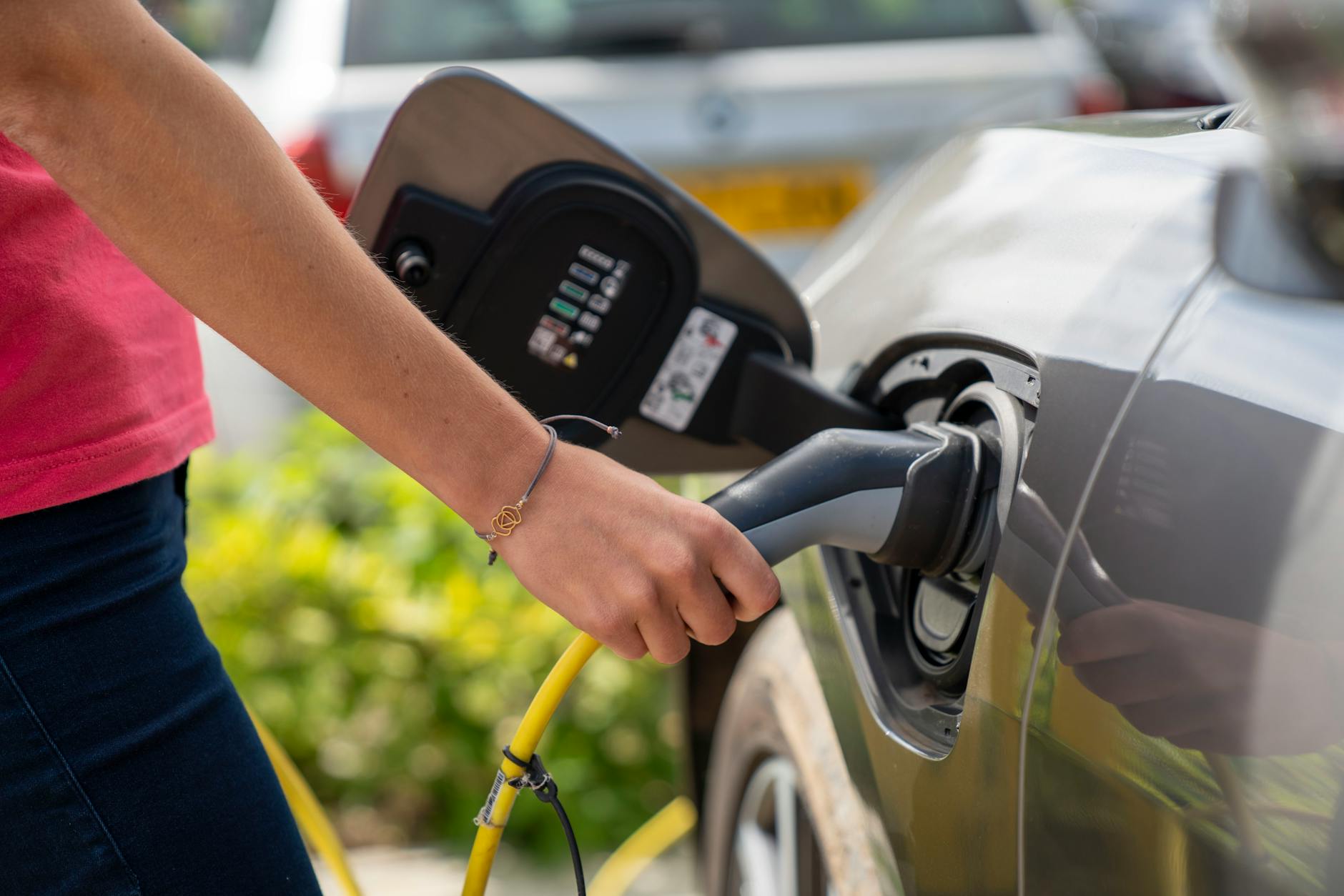
Independent auto shops possess natural advantages for EV charging operations. Their locations typically offer ample parking, electrical infrastructure, and customer trust built over decades of service. Unlike gas stations that profit primarily from fuel markups, charging stations create multiple revenue opportunities.
Mike Rodriguez, owner of Rodriguez Auto Care in Denver, installed four Level 2 charging stations last year after noticing increasing EV traffic in his neighborhood. “We’re seeing about 40 charging sessions per week now,” Rodriguez reports. “Each session brings in $8 to $15, but the real value is the additional business. EV owners often need tire rotations, cabin air filter changes, and brake fluid services just like everyone else.”
The installation costs vary significantly based on electrical capacity and station type. Level 2 stations, which add 25-40 miles of range per hour, typically cost $3,000 to $7,000 per unit including installation. DC fast charging stations can exceed $50,000 but generate higher per-session revenue and attract highway travelers.
Federal and state incentives sweeten the deal. The Alternative Fuel Infrastructure Tax Credit covers 30% of installation costs up to $30,000 per property. Many states offer additional rebates, with California’s Clean Fuel Reward providing up to $7,000 per Level 2 station for qualified businesses.
Creating Customer Loyalty Through Charging Networks
Smart shop owners are building charging programs that extend beyond simple electricity sales. Subscription models, loyalty programs, and bundled services create recurring revenue while strengthening customer relationships.
Sarah Chen’s automotive service center in Portland launched a “Charge & Service” program where EV owners receive discounted charging rates when booking maintenance appointments. “A brake inspection takes 45 minutes, perfect timing for a charging session,” Chen explains. “We’re booking three times as many inspections since installing the chargers.”
The customer retention benefits extend to internal combustion engine vehicles too. When EV owners need service on their spouse’s SUV or teenager’s sedan, they typically return to the shop where they charge regularly. This cross-pollination effect surprised many shop owners who initially worried about losing traditional customers.
Location strategy proves crucial for maximizing charging revenue. Shops near shopping centers, restaurants, or entertainment venues see higher utilization rates. Customers appreciate the ability to accomplish multiple errands during charging sessions, leading to longer dwell times and higher spending on ancillary services.
Operational Considerations and Maintenance Revenue
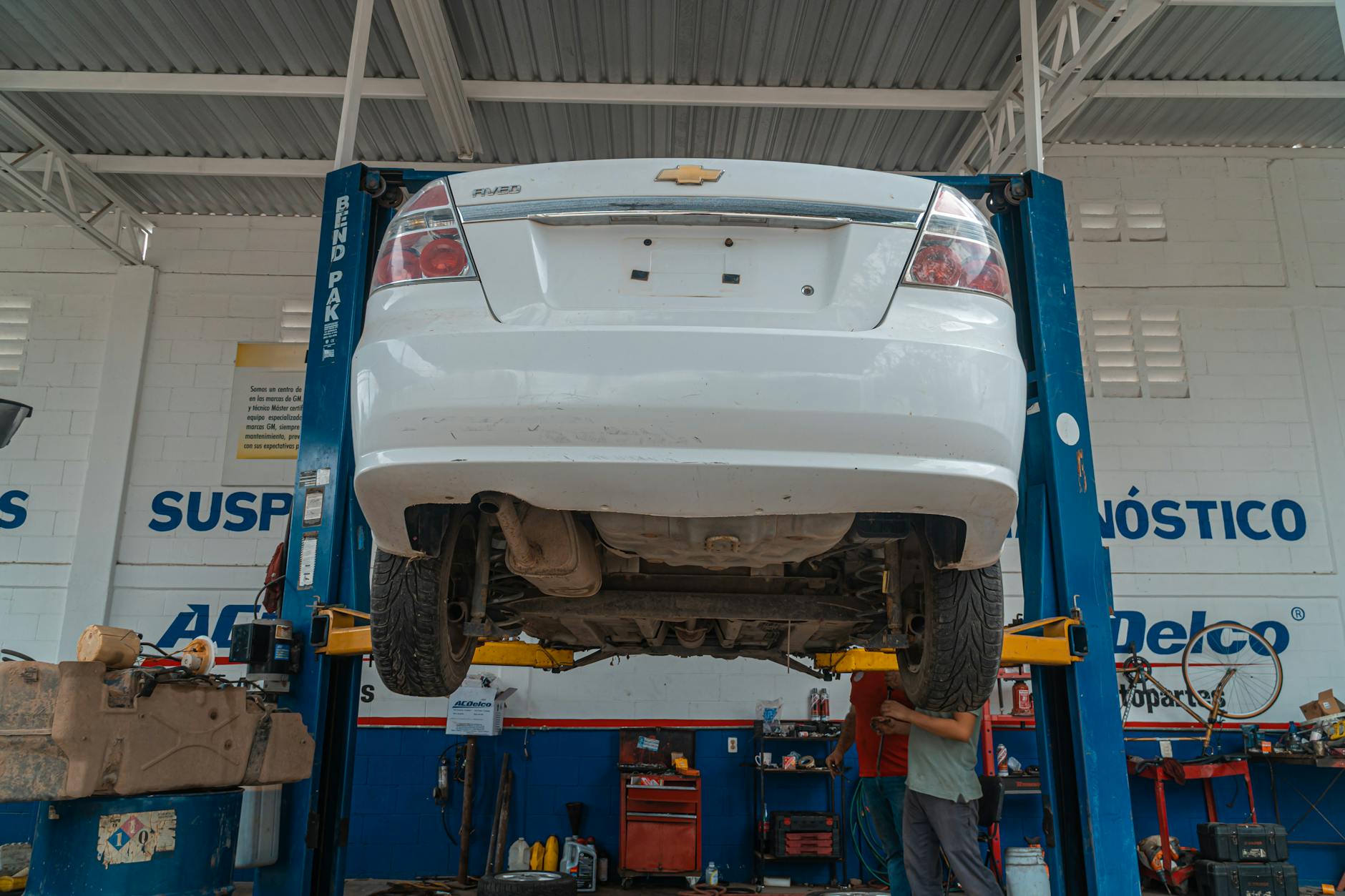
Running charging stations requires new operational procedures but creates additional service opportunities. EV charging equipment needs regular maintenance, software updates, and occasional repairs – services that tech-savvy auto shops can provide to other businesses.
Tom Martinez, whose family has operated Martinez Automotive for three generations, now maintains charging stations for five local businesses. “We learned to service the charging hardware just like we learned to work on hybrid systems,” Martinez says. “Now we maintain stations at the shopping mall, two restaurants, and a hotel. It’s become a steady $2,000 monthly revenue stream.”
Charging station maintenance involves cleaning connections, updating software, monitoring usage data, and replacing worn components. These services command $75 to $150 per hour, comparable to automotive repair labor rates.
Power management becomes critical during peak demand periods. Smart shop owners invest in load management systems that balance charging demand with facility power needs. Some install solar panels or battery storage to reduce electricity costs and provide backup power during outages.
Similar to how local pharmacies are expanding into telehealth consultation services to diversify revenue, auto shops are leveraging existing infrastructure for new opportunities.
Building Partnerships and Community Networks
The most successful charging programs involve partnerships with charging network operators, local businesses, and municipal governments. These collaborations reduce financial risk while expanding customer reach.
ChargePoint, Electrify America, and EVgo offer partnership programs where they handle payment processing, customer support, and marketing while sharing revenue with site hosts. These arrangements reduce upfront investment while providing access to established customer bases.
Municipal partnerships create additional opportunities. Some cities offer grants or low-interest loans for charging infrastructure in underserved areas. Others designate auto shops as preferred charging providers for municipal fleets, guaranteeing minimum usage levels.
Cross-promotional partnerships with nearby businesses amplify customer value. Coffee shops offer discounts to charging customers, while auto shops provide charging discounts to restaurant patrons. These relationships create foot traffic and build community connections.
Fleet charging represents a growing opportunity as delivery companies, ride-sharing services, and local governments electrify their vehicles. Auto shops with charging capabilities can bid on fleet maintenance contracts, combining traditional services with convenient charging access.

The transformation of American auto shops reflects broader changes in transportation and energy. As EV adoption accelerates, charging infrastructure becomes as essential as traditional fuel stations. Independent shops that embrace this transition position themselves for sustained growth while maintaining their community connections.
The next phase will likely involve more sophisticated charging technologies, dynamic pricing based on grid demand, and integration with renewable energy systems. Auto shops that start building charging capabilities now will have established customer bases and operational expertise when the EV market reaches full maturity.
Just as local businesses across industries are finding new revenue streams through technological adaptation, auto shops are proving that evolution beats extinction in the changing automotive landscape.
Frequently Asked Questions
How much revenue can auto shops generate from EV charging stations?
Auto shops typically generate $200-800 monthly per charging station, plus additional revenue from customers who use other services while charging.
What are the installation costs for EV charging stations at auto shops?
Level 2 charging stations cost $3,000-7,000 including installation, while DC fast chargers can exceed $50,000 but generate higher revenue per session.