





Local bike shops across America are quietly revolutionizing their business models with a simple addition that’s drawing new customers through their doors daily. E-bike rental programs, once considered a luxury service for tourist destinations, have become the unexpected revenue driver helping neighborhood bicycle retailers thrive in an increasingly competitive market.
The shift represents more than just adding inventory. Shop owners are discovering that e-bike rentals create multiple touchpoints with customers who might never have considered purchasing a traditional bicycle, opening pathways to sales, services, and long-term relationships that transform their bottom line.

The Revenue Mathematics Behind E-Bike Rentals
The numbers tell a compelling story. A quality e-bike that costs a shop between $1,500 and $3,000 can generate $40 to $80 per day in rental fees, depending on local market conditions. With proper maintenance and seasonal demand, many shops report their rental e-bikes pay for themselves within six to twelve months.
Mike Chen, owner of Urban Cycles in Portland, Oregon, explains the appeal: “We started with five e-bikes last spring. They were booked solid through summer, generating over $12,000 in rental revenue alone. But the real win was the service appointments and accessory sales that followed.”
The rental model creates what business analysts call a “try before you buy” environment. Customers who rent e-bikes for weekend adventures or daily commutes often return within months to purchase their own, having experienced firsthand the convenience and performance benefits.
Beyond direct rental income, shops report significant increases in helmet sales, lock purchases, and maintenance service bookings from rental customers. The average rental customer spends an additional $150 to $300 on accessories and services within their first year of interaction with the shop.
Meeting Changing Transportation Needs
E-bike rentals align perfectly with shifting urban transportation patterns. Cities nationwide are investing in bike lane infrastructure, while remote work arrangements have changed how people think about commuting and recreational activities.
Sarah Rodriguez, who operates three locations of Summit Bike Works in Colorado, noticed the trend early. “Post-pandemic, people wanted outdoor activities they could do safely. E-bikes let customers explore trails they couldn’t handle on traditional bikes, opening up entire mountain ranges to casual riders.”
The rental programs particularly appeal to tourists and occasional riders who want e-bike access without the commitment of ownership. For many customers, especially older adults or those with physical limitations, e-bikes provide mobility options that traditional bicycles cannot match.
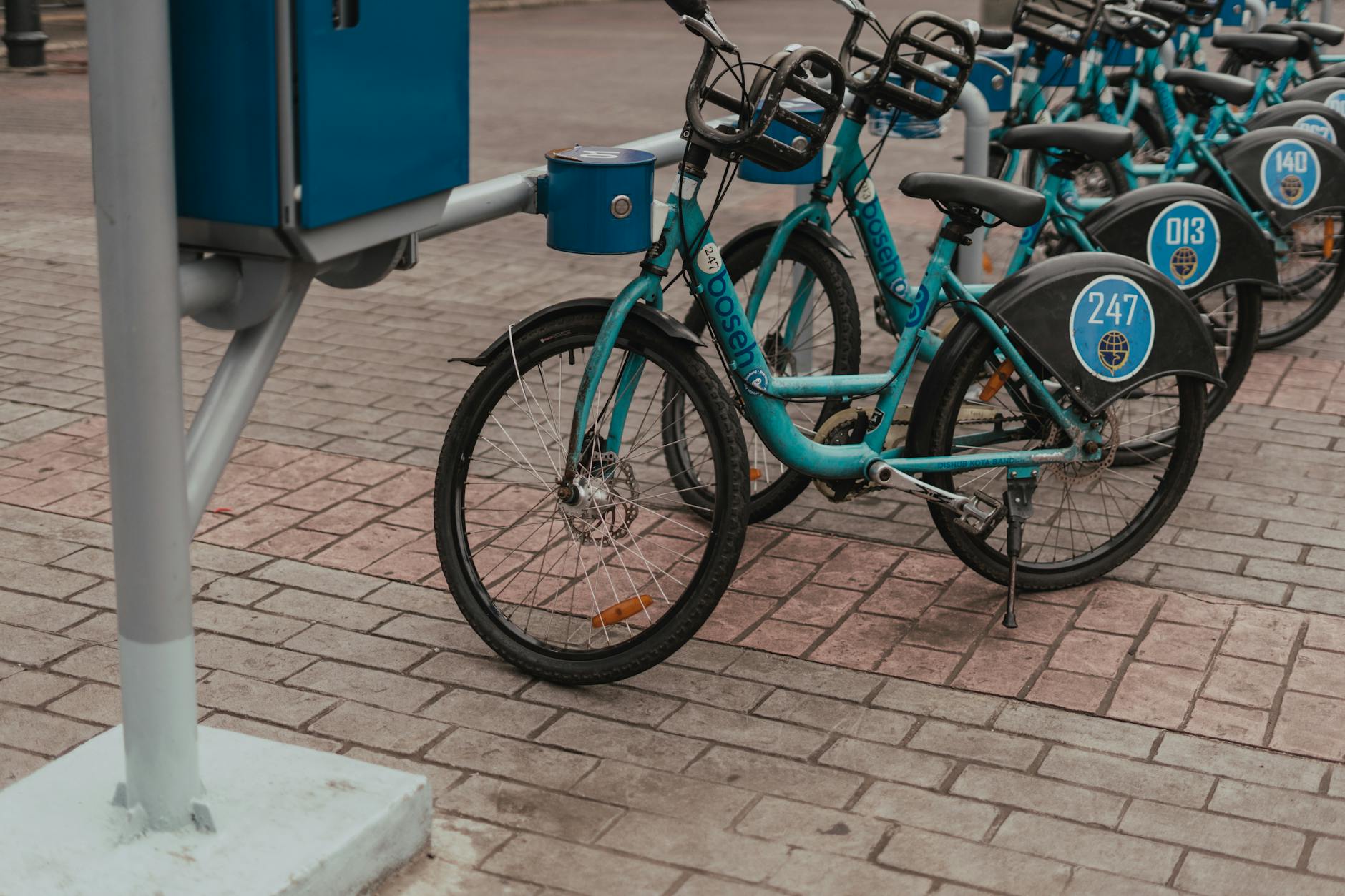
Local municipalities have also embraced the trend. Several cities now partner with bike shops to provide e-bike sharing programs, creating steady revenue streams while supporting community transportation goals. These partnerships often include preferential permitting for rental operations and designated parking areas that increase visibility.
Operational Strategies That Drive Success
Successful e-bike rental programs require more than just purchasing inventory. Shop owners have developed sophisticated systems for fleet management, customer screening, and maintenance scheduling that maximize both revenue and customer satisfaction.
Most shops use digital booking platforms that integrate with their existing point-of-sale systems, allowing customers to reserve bikes online while creating opportunities for upselling accessories and services. GPS tracking systems help monitor bike locations and usage patterns, providing data that informs purchasing decisions and route recommendations.
Customer education has become crucial. Unlike traditional bike rentals, e-bikes require brief training sessions covering battery management, power settings, and safety considerations. Smart shop owners turn these sessions into relationship-building opportunities, discussing local trails, maintenance services, and potential future purchases.
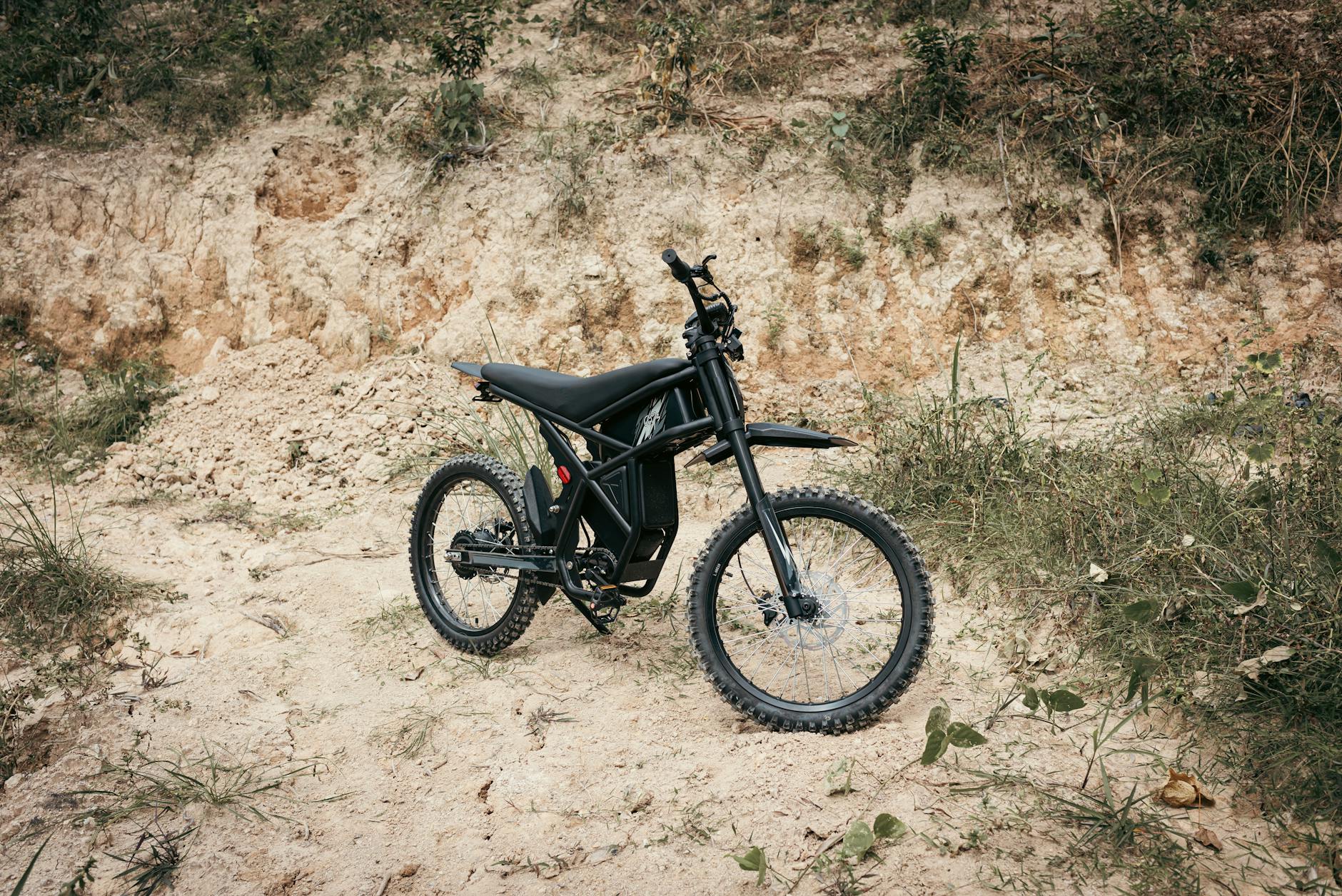
Fleet composition matters significantly. Successful rental programs typically offer diverse options: commuter e-bikes for urban transportation, mountain e-bikes for trail adventures, and cargo e-bikes for families or utility purposes. This variety maximizes booking opportunities across different customer segments and seasons.
Insurance and liability considerations have driven many shops to partner with specialized rental management companies that handle customer screening, damage assessments, and recovery services. These partnerships typically cost 15-25% of rental revenue but eliminate many operational headaches while providing professional customer service systems.
Technology Integration and Customer Experience
Modern e-bike rental operations rely heavily on technology integration. Mobile apps allow customers to unlock bikes, monitor battery levels, and access route suggestions while providing shops with real-time fleet status updates. Some shops have implemented keyless systems using smartphone apps, reducing staff workload while extending rental hours.
Maintenance tracking systems help shops optimize bike availability and prevent breakdowns. Preventive maintenance schedules based on ride hours rather than calendar dates keep rental fleets operating efficiently while minimizing unexpected repair costs.
Customer relationship management systems capture rental data to identify potential purchasers, track service preferences, and automate follow-up communications. This data proves invaluable for inventory planning and targeted marketing campaigns.
Future Growth and Market Expansion
The e-bike rental trend shows no signs of slowing. Industry reports indicate that e-bike sales continue growing at double-digit rates annually, while rental markets expand into suburban and rural areas previously dominated by traditional bike shops.
Many shop owners are exploring corporate partnerships with hotels, resorts, and employers seeking sustainable transportation options for guests and employees. These B2B relationships often provide more stable revenue streams than individual rentals while reducing marketing costs.
Seasonal expansion strategies are becoming more sophisticated. Shops in tourist areas partner with vacation rental properties and tour companies, while urban locations focus on commuter subscriptions and weekend recreational rentals. Some operators now offer delivery services, bringing e-bikes directly to customers’ locations for premium fees.
The integration with other local businesses mirrors trends seen across small business sectors. Just as local barbershops have diversified through subscription services, bike shops are finding that rental programs create platforms for multiple revenue streams and customer touchpoints.
Looking ahead, the combination of improving e-bike technology, expanding infrastructure, and changing transportation preferences suggests that rental programs will become standard offerings for most bike retailers. Shops that establish these programs early are positioning themselves advantageously for long-term market growth while building customer relationships that extend far beyond single transactions.
The transformation of local bike shops through e-bike rental programs represents a broader shift in small business strategy: finding ways to let customers experience products and services before committing to purchases, while generating immediate revenue and building lasting relationships in the process.
Frequently Asked Questions
How much can bike shops earn from e-bike rentals?
Quality e-bikes can generate $40-80 daily in rental fees, typically paying for themselves within 6-12 months through rentals alone.
What additional benefits do e-bike rentals provide bike shops?
Rentals increase accessory sales, service bookings, and create “try before buy” opportunities that lead to future bicycle purchases.