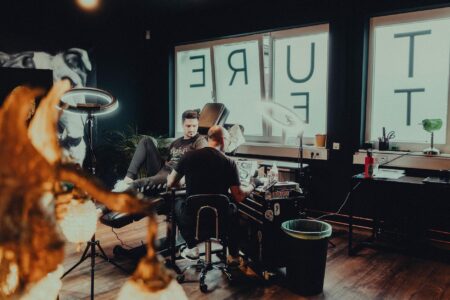





Corporate team-building has long been dominated by trust falls and escape rooms, but a quieter, clay-covered trend is pulling HR budgets in a new direction. Pottery studios across the country are discovering that a two-hour wheel-throwing session booked by a 20-person marketing department can generate more revenue than an entire week of walk-in classes.

The Business Case Behind the Clay
The math is straightforward. A solo drop-in student might pay $35 to $55 for a single class. A corporate group of 15 to 25 people, booked through an events coordinator, typically runs $80 to $150 per head – with the studio often adding a private-session premium on top. Studios don’t need more square footage or more equipment to make this work. They need the same kilns, the same wheels, the same glazes. The margin on a corporate booking is simply higher because the fixed costs stay flat while the headcount multiplies.
Studios that have built out a dedicated corporate program also tend to charge for add-ons that individual students rarely purchase: catered refreshments, branded aprons, take-home packaging for finished pieces, and follow-up firing services so employees can actually bring their bowls home. Each of those line items is small on its own, but bundled into a corporate invoice they add up quickly. A base booking of $2,000 can climb to $3,200 before the session even starts.
The appeal to companies is real and not hard to explain. Wheel-throwing is tactile, slightly chaotic, and impossible to fake your way through – which means everyone in the room is on equal footing. The CFO and the intern are both making lopsided mugs, and that shared incompetence tends to dissolve hierarchy in a way that a catered lunch never quite manages. HR departments increasingly want experiences that generate genuine conversation rather than forced small talk, and pottery delivers that without requiring anyone to admit a personal fear or fall backward into a colleague’s arms.
Studios positioned near downtown office corridors or in neighborhoods with dense commercial real estate are seeing the most consistent demand. A studio within walking distance of a cluster of mid-size tech or finance firms can book corporate events three or four weekday evenings per month without any conflict with its regular class schedule, since most office groups prefer Thursday or Friday afternoons. That timing works perfectly for studios that run daytime beginner sessions earlier in the week.

How Studios Are Structuring the Offering
The studios generating the most reliable revenue from corporate work aren’t treating it as a bonus – they’re building dedicated infrastructure around it. That means a separate booking page on their website, a tiered pricing menu with clear package names, and a point of contact who handles corporate inquiries exclusively. When a company’s events coordinator reaches out, they want a fast response, a clear proposal, and an invoice they can send to accounts payable. Studios that respond with a casual “just give us a call” are losing bookings to studios that have a PDF menu ready to email within the hour.
Some studios have gone further, developing what amounts to a light hospitality operation. They stock wine and sparkling water, partner with a nearby bakery for a dessert spread, and frame the entire experience as a creative happy hour rather than an art class. The language shift matters – “team happy hour at the pottery studio” moves faster through corporate approval chains than “wheel-throwing workshop,” because it maps onto a budget line that already exists.
Instructors are also being retrained, or specifically hired, for the corporate format. Teaching a group of adults who are there voluntarily and want to improve their technique is a different job than managing a group of marketing managers who are there because their boss thought it would be fun. The best corporate instructors are part teacher, part emcee. They keep energy high, laugh at the inevitable collapses, and know when to let people struggle productively versus when to intervene before frustration sets in. Studios that have identified which of their instructors thrive in that environment – and schedule them exclusively for corporate events – report better repeat booking rates.
Repeat business is where the real value sits. A company that books a session for a quarterly team event and has a good experience doesn’t shop around next quarter. They email the same studio, often with a larger headcount, and sometimes bring in a second team. Studios are building simple CRM habits around this – a follow-up email two months after a corporate session, a note when new evening slots open up, a modest discount for a second booking. None of this requires sophisticated software. A spreadsheet and a calendar reminder are enough to capture what would otherwise be missed revenue.
Pricing strategy also varies by studio philosophy. Some owners prefer to publish rates openly to filter out tire-kickers and speed up the sales cycle. Others keep pricing off their website intentionally, preferring a discovery call where they can upsell add-ons before quoting a number. Both approaches work, but the studios using the discovery-call model tend to close at a higher average price per head – because by the time the quote arrives, the client has already mentally committed to the experience.
What Studios Need to Watch
The corporate events market has one structural risk that individual class revenue doesn’t: concentration. A studio that books three large corporate clients who each come quarterly is in a vulnerable position if one of those companies freezes discretionary spending or switches vendors. Studios that treat corporate bookings as a supplement to a healthy retail and class schedule – rather than a replacement for it – are better insulated. The goal is for corporate revenue to represent a meaningful but not dominant share of total income, somewhere that lifts overall margins without creating dependency.
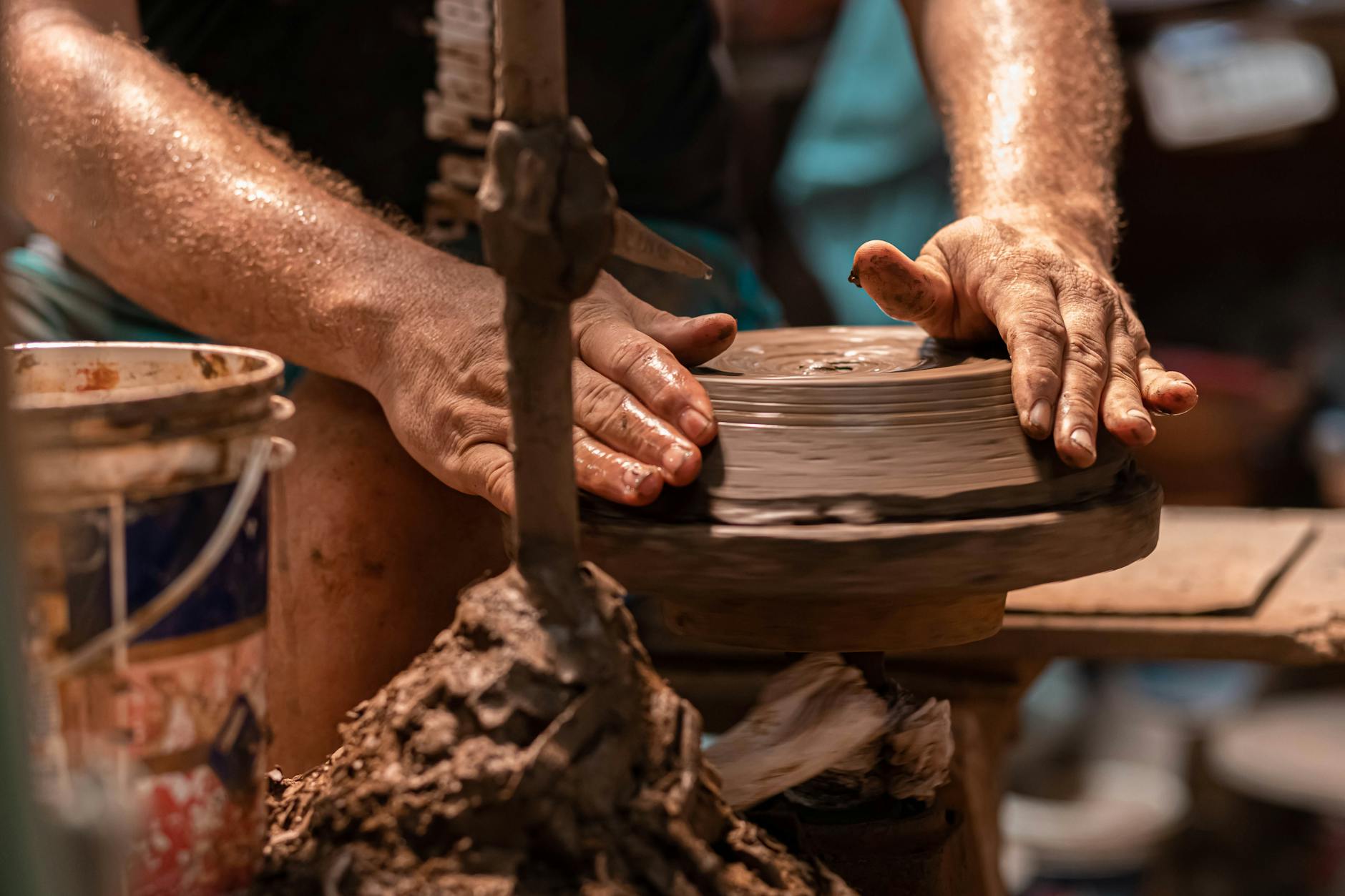
There’s also the question of what happens to the finished pieces. Most companies don’t want 20 air-dried mugs sitting in a studio kiln indefinitely, but they also don’t always plan for pickup logistics. Studios that build firing, glazing, and shipping options into their corporate packages as a paid service are solving a real pain point – and charging appropriately for it. The studios that haven’t figured out their post-session workflow yet are the ones getting awkward emails three weeks later asking where someone’s bowl ended up.