





Reformer Leasing Turns Equipment Costs Into Recurring Revenue
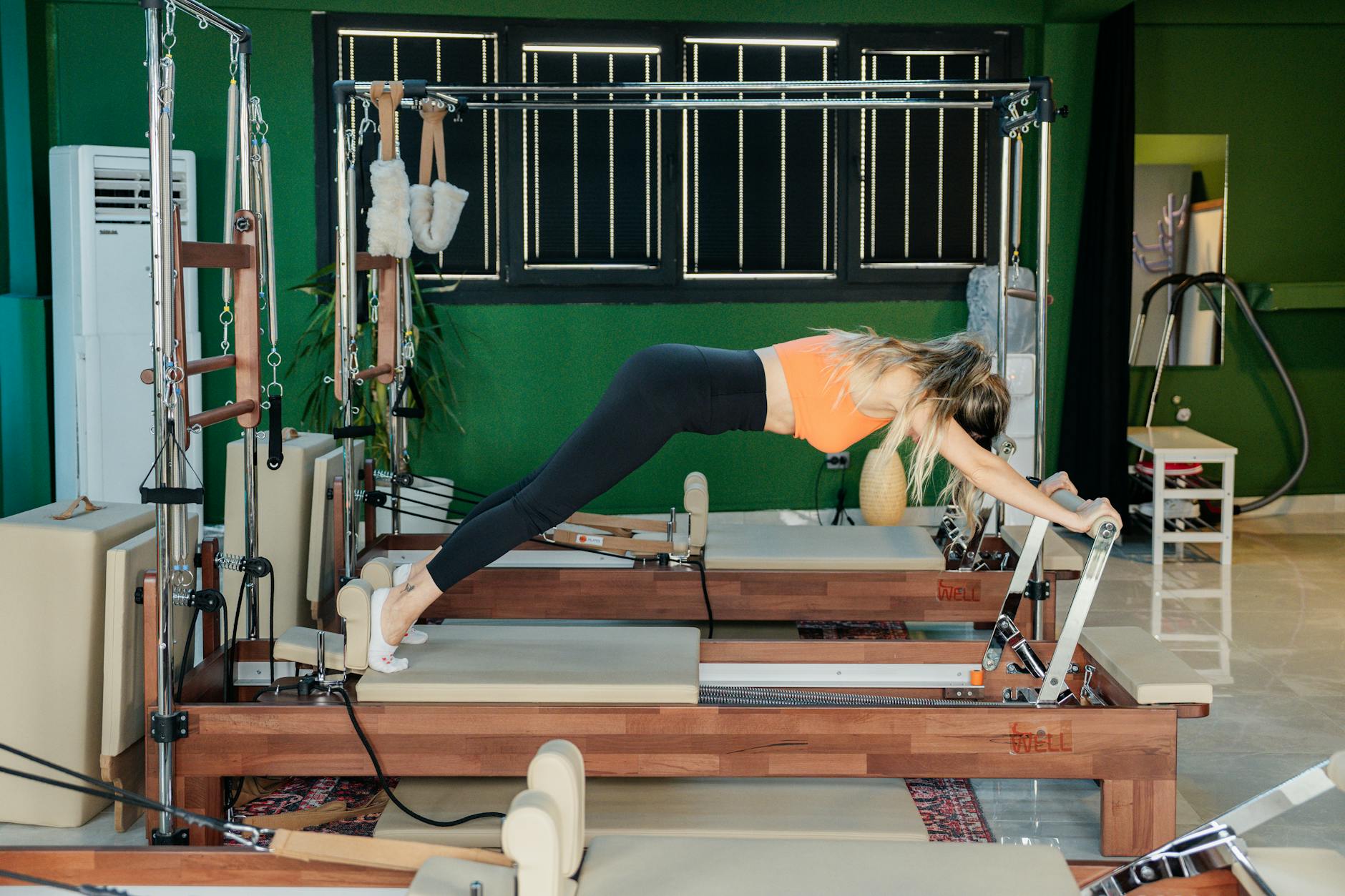
Pilates reformers are expensive, bulky, and highly sought after – and small studio owners are figuring out that the equipment sitting idle between classes can generate money on its own. Rather than treating reformers purely as overhead, a growing number of boutique fitness businesses are structuring formal leasing programs that rent machines to other trainers, pop-up studios, physical therapy clinics, and even individual clients for at-home use. The model flips the usual calculus of fitness ownership: instead of equipment being a sunk cost, it becomes a producing asset.
This is not a niche curiosity. Reformer machines can run anywhere from $3,000 to over $10,000 each depending on the brand and configuration, which means the barrier to entry for new instructors or clinics is genuinely high. Studios that have already cleared that hurdle are positioned to capitalize on demand from people who want access to the equipment without the full purchase price. The leasing structure solves a real problem on both sides of the transaction.
How the Programs Are Actually Structured
The most common version of a studio leasing program works like this: a certified Pilates instructor who is building a private practice, or a physical therapist adding movement therapy to their offerings, pays a monthly fee to rent one or two reformers from an established local studio. The machines are either kept at the borrower’s location or reserved for dedicated time slots inside the lending studio’s space. Studios offering both models tend to see different clientele – the take-home lease appeals to affluent private clients, while the time-block model attracts service providers who want a professional setting without a full lease commitment on commercial space.
Pricing structures vary, but studios typically charge enough on a per-machine, per-month basis to cover the depreciation of the equipment plus a meaningful margin. A single reformer generating monthly lease income can, over the course of a year, recoup a significant portion of its original purchase price – particularly for higher-end machines that hold their value well. Some studios bundle the lease with liability waivers, maintenance agreements, and access to their sanitization protocols, which justifies a premium rate and reduces the administrative friction on the lessee’s end.
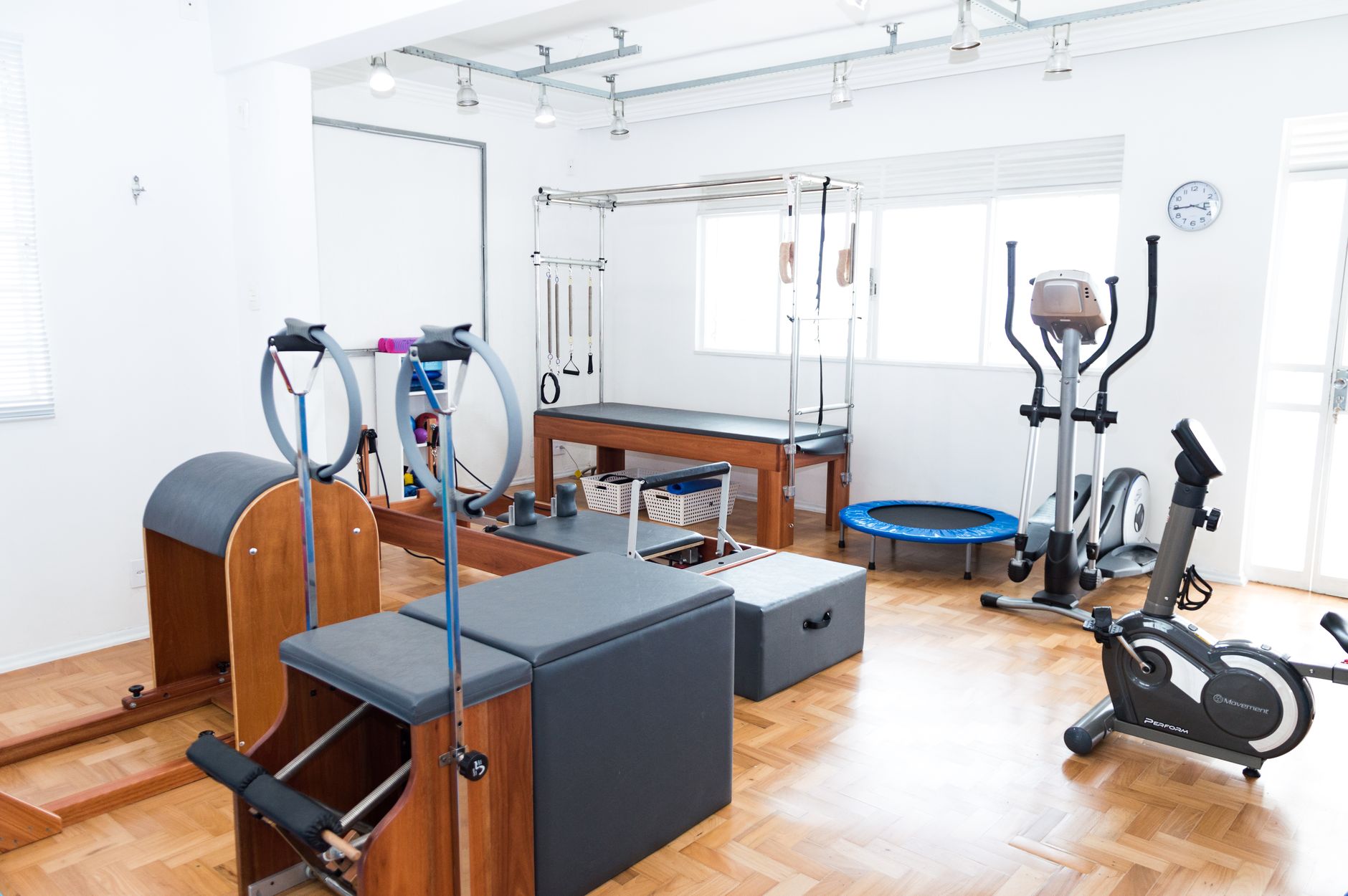
Studios with five to ten machines and predictable class schedules often find there are natural dead zones – early mornings, weekday afternoons, weekend evenings – when reformers sit unused. Leasing those hours out to independent trainers converts idle inventory into revenue without requiring any additional staff. It is essentially a utilization play: the same machine that generates income during a morning group class generates income again when a freelance trainer books it for private sessions in the afternoon.
The Financial Logic for Small Studio Owners
What makes this model particularly attractive for boutique operators is that the recurring lease income is relatively predictable compared to class bookings, which fluctuate with seasons, holidays, and client travel schedules. A studio that has locked in three or four monthly equipment leases has a baseline of income that does not depend on headcount in any given week. For owner-operators managing tight margins, that kind of revenue floor matters more than the gross number.
There is also a compounding effect on the studio’s reputation. When a physical therapist or private trainer leases equipment from a local studio, they often refer clients to that studio for group classes or workshops. The lessee effectively becomes an informal ambassador. Studios that build this kind of network around their equipment tend to fill their own class rosters faster than those that operate in isolation.
The tax treatment of leased equipment is another factor worth understanding. Equipment used partly for leasing purposes may qualify for different depreciation schedules or deduction structures than equipment used solely for in-house programming. Studio owners who have worked through the accounting – similar to how local tax preparers pivoting to year-round financial planning have learned to restructure service income – often find that the leasing revenue changes their overall tax position in meaningful ways. This is worth mapping out before committing to a program, not after.

The risks are real but manageable. Equipment wear accelerates when machines are used by multiple operators across different skill levels. Studios that do not build maintenance costs into their lease pricing can find that the net revenue is lower than expected once repairs are factored in. The contracts also need to address liability clearly – if a lessee’s client is injured on a leased reformer off-site, the question of who holds responsibility needs to be settled in writing before the machine leaves the building. Studios that skip this step create exposure that outweighs the income.
Still, the studios that have built leasing into their operational model from the start – rather than treating it as an afterthought – tend to structure it cleanly enough that the risk management becomes routine. The more interesting question is whether the program scales beyond a handful of machines, or whether it hits a ceiling once the studio’s natural network of trainers and therapists is satisfied. Studios in dense urban markets, where independent fitness professionals are abundant and commercial rents are high, have a much larger pool of potential lessees than those in smaller towns where the freelance trainer ecosystem is thin. Geography, in this business, is not just a backdrop – it is the core variable that determines how far the model can actually go.