




The Gift That Has Your Name On It
Personalized gifts have always carried weight that generic ones cannot. A cutting board etched with a family name, a leather wallet stamped with initials, a wooden ornament burned with a child’s handwriting – these objects hold meaning precisely because they required intention. What has changed is how accessible that level of customization has become, and local laser engraving shops are sitting at the center of that shift.
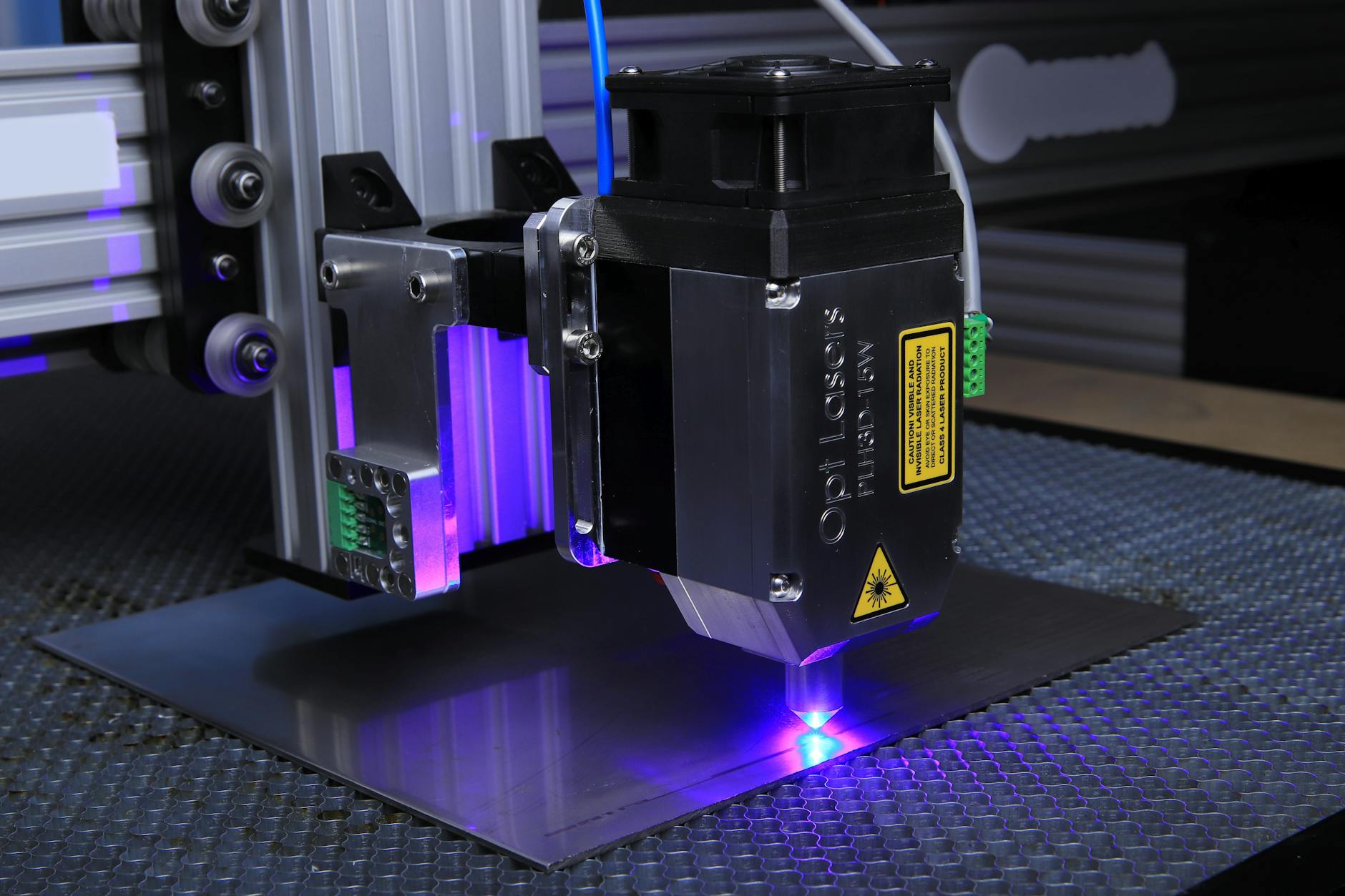
Laser engraving technology, once the exclusive domain of industrial manufacturers, has become small-business viable. A mid-range CO2 laser engraver can now be purchased for a few thousand dollars, runs on standard electrical power, and fits in a storefront or even a garage. That accessibility has allowed a wave of local operators to open shops built entirely around the appetite for personalized goods – and that appetite, particularly around gifting seasons, has proven to be substantial.
The business model is deceptively simple: charge a premium for something that takes minutes to produce.
Why the Margin Works
The economics of laser engraving favor the shop owner in ways that most retail businesses cannot match. The raw material – a plain wooden cutting board, a stainless steel tumbler, a slate coaster set – costs a fraction of the finished price. The laser does the labor, and once a design file is prepared, it can be reproduced with near-zero additional effort. The customer, however, perceives the finished product as handcrafted and unique, which justifies a price point that bears little relationship to production cost.
What drives that perception is not deception but genuine differentiation. A tumbler with someone’s name and a meaningful date on it cannot be replicated off a shelf at a big-box store. The object becomes specific to one person, and that specificity is what people are actually paying for. Shops that understand this price accordingly – not by marking up a commodity, but by pricing an experience of uniqueness.
Operating costs stay lean because inventory is minimal. Many shops stock a small range of blank substrates – wood, metal, glass, acrylic – and fulfill orders on demand. There is no warehouse full of finished goods collecting dust. Waste is low. A shop running two or three laser machines can handle a surprisingly high order volume with a small team, and during peak gifting windows like the November-December holiday season or the weeks around Mother’s Day and Father’s Day, that throughput becomes the business’s primary revenue engine.

Building a Customer Base That Returns
The repeat customer dynamic in engraving is worth examining. A customer who comes in for a wedding gift may return for a housewarming, a retirement, a graduation. The gifting calendar never ends, and once someone discovers a local shop that can execute their vision quickly and well, they tend not to look elsewhere. Word-of-mouth referrals from weddings alone – where personalized favors, awards, and party gifts often all come from one source – can sustain a shop for months.
Corporate accounts add another revenue layer entirely. Businesses regularly need engraved plaques, branded merchandise, employee recognition gifts, and client gifts. These orders are typically larger in volume, less price-sensitive, and more predictable than retail customers. A shop that lands even a handful of local corporate accounts has a meaningful baseline of recurring revenue that offsets the seasonal spikes and valleys of individual retail orders. Some shop owners have described corporate work as the foundation that lets them take risks on the creative, one-off retail side of the business.
Social media has become the storefront window for these businesses in ways that traditional advertising never could have matched. An engraved item photographs beautifully – clean lines, contrast, texture. A short video of the laser working on a custom piece attracts attention on its own, independent of any paid promotion. Shops that post consistently and show the range of what is possible – unusual materials, complex designs, surprising applications like engraved leather or painted wood – build audiences that convert into customers. The product demonstrates itself.
Where the Opportunity Is Tightest
Not every market can support multiple laser engraving shops, and competition has sharpened in areas where the barrier to entry is widely understood. The shops that build durable businesses are the ones that develop either a distinctive aesthetic – a design sensibility that feels consistent and recognizable – or a specialization that limits direct competition. A shop focused entirely on pet memorial products, for example, is not competing with a general gift shop on price. It is competing on relevance to a specific emotional moment, which is a much harder position to undercut.
Speed also functions as a competitive advantage that larger online competitors cannot easily replicate. National personalization platforms operate on shipping timelines that exclude last-minute buyers entirely. A local shop that advertises same-day or next-day turnaround for standard orders captures a customer segment that would otherwise go without. During holiday weeks, that positioning can be the difference between a full order queue and empty machines.

The shops threading the needle most effectively are the ones treating their operation less like a manufacturing business and more like a custom design service – where the laser is just the output device and the real product is the creative problem-solving that happens before the machine turns on. Customers who walk in with a vague idea and walk out with something they could not have imagined are the customers who tell everyone they know.
Frequently Asked Questions
How profitable is a local laser engraving business?
Margins can be high because raw material costs are low and customers pay a premium for personalization. Operating costs stay lean with minimal inventory and on-demand fulfillment.
What materials can laser engraving shops work with?
Most shops engrave wood, metal, glass, acrylic, leather, and slate. The range of substrates determines how broad the product offering can be.