





The corner dry cleaner that once relied solely on washing and pressing shirts now commands premium rates for alterations and custom tailoring work. These neighborhood businesses discovered that hemming pants and taking in jackets generates significantly higher profit margins than basic cleaning services.
What started as a simple add-on service has become a primary revenue driver for dry cleaning operations across the country. The math works in their favor: a $3 cleaning job becomes a $15 alteration, with skilled seamstresses transforming oversized garments into perfectly fitted pieces.
Premium Pricing for Skilled Labor
Dry cleaners typically charge between $8 and $25 for basic alterations, compared to $2 to $5 for standard cleaning services. The labor-intensive nature of tailoring work justifies these higher price points, especially when customers face long waits at traditional tailor shops.
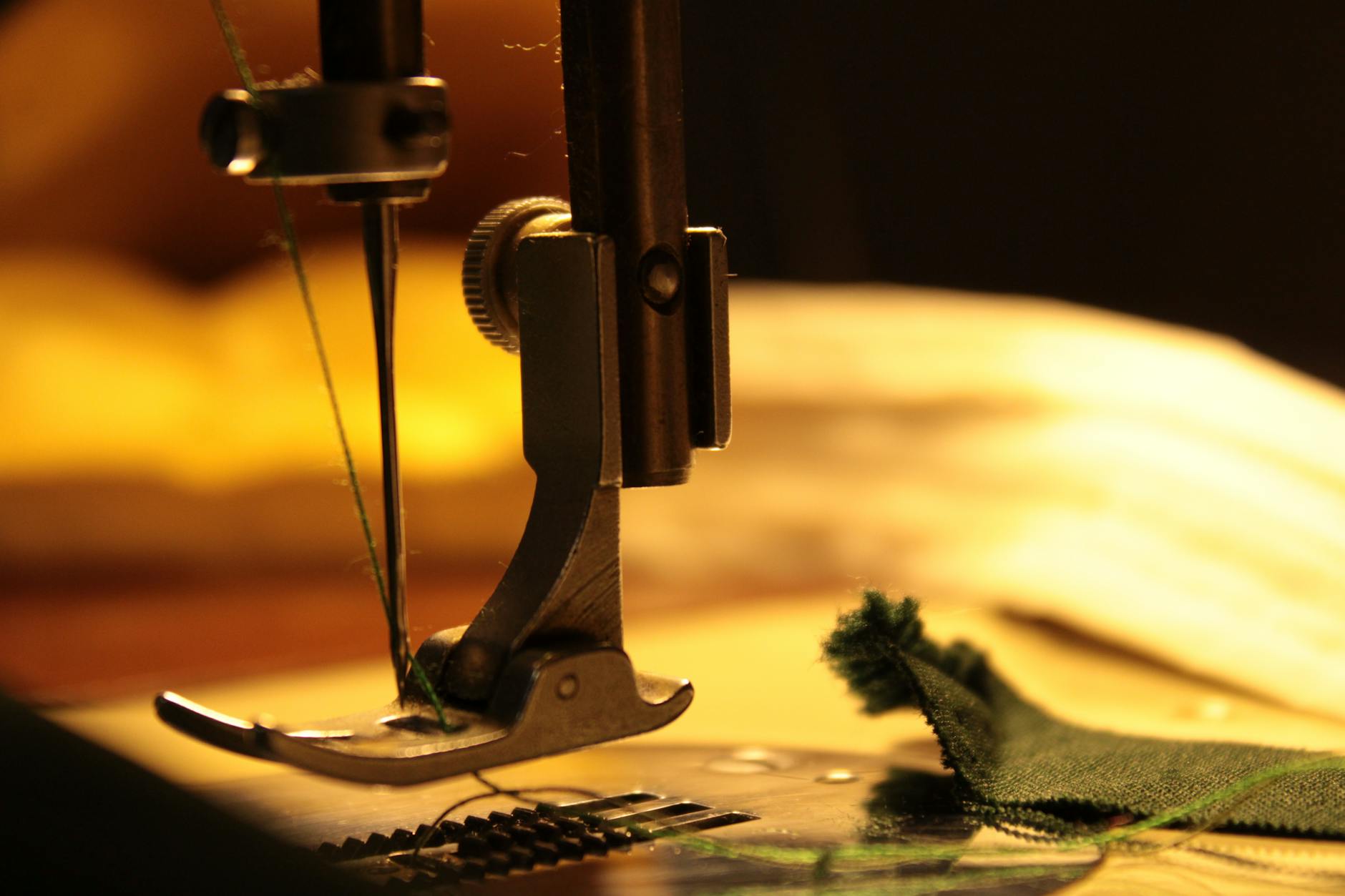
The equipment investment remains minimal. Most dry cleaning operations already own industrial sewing machines and pressing equipment. Adding alteration services requires hiring one skilled seamstress or training existing staff in basic tailoring techniques.
Customer convenience drives demand for these services. Shoppers appreciate dropping off clothes for cleaning and alterations in one location, rather than visiting separate businesses. This one-stop approach builds customer loyalty and increases average transaction values.
Targeting Wardrobe Essentials
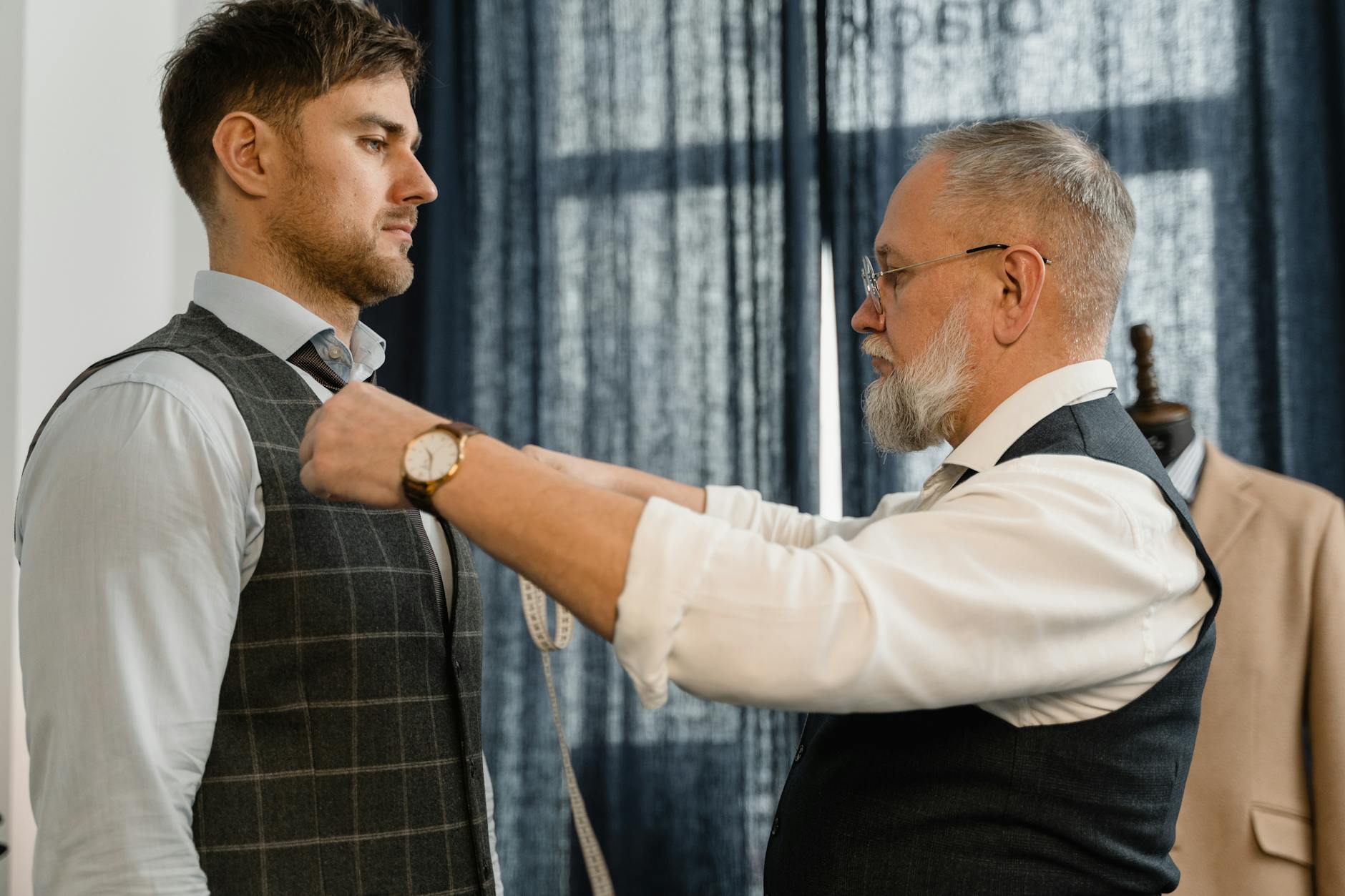
Business professionals represent the core customer base for dry cleaning alterations. Suit pants, dress shirts, and blazers require frequent adjustments as body shapes change or when purchasing off-the-rack items that need customization.
Wedding season creates predictable revenue spikes. Bridal parties, groomsmen, and wedding guests often need last-minute alterations on formal wear, generating premium rush charges during peak months.
Operational Advantages Over Traditional Tailors
Dry cleaners possess built-in advantages over standalone tailoring businesses. Their existing customer base provides immediate market access for alteration services. Regular cleaning customers naturally discover the convenience of bundled services.
Location benefits matter significantly. Dry cleaners typically occupy street-level retail spaces in residential neighborhoods, making them more accessible than specialty tailor shops often located in commercial districts or shopping centers.
The cleaning equipment doubles as finishing tools for alteration work. Steam pressing and professional garment handling ensure altered pieces look crisp and professionally finished. This capability allows dry cleaners to deliver results comparable to high-end tailoring shops.
Quick turnaround times become competitive advantages. While traditional tailors might require one to two weeks for alterations, dry cleaners often complete work within 48 hours. Business customers particularly value this speed when preparing for meetings or events.
The seasonal nature of clothing purchases creates predictable demand cycles. Back-to-school shopping, holiday parties, and spring wardrobe updates all generate alteration requests. Smart operators track these patterns and staff accordingly during busy periods.
Frequently Asked Questions
How much do dry cleaners charge for alterations?
Most dry cleaners charge $8-25 for basic alterations like hemming or taking in seams, significantly higher than cleaning fees.
What alterations do dry cleaners typically offer?
Common services include hemming pants, taking in shirts and jackets, shortening sleeves, and adjusting waistbands on business attire.