





The neighborhood barbershop is transforming from a simple trim-and-shave destination into a curated grooming headquarters. Across America, independent barbers are packaging their expertise into monthly subscription boxes, turning product recommendations into recurring revenue streams that extend far beyond the chair.
This shift represents more than just another subscription service trend. Local barbershops are leveraging their personal relationships with customers to compete against major grooming brands like Harry’s and Dollar Shave Club. By curating products they actually use in their shops and adding personalized touches, these small businesses are creating loyal followings that generate steady income between appointments.
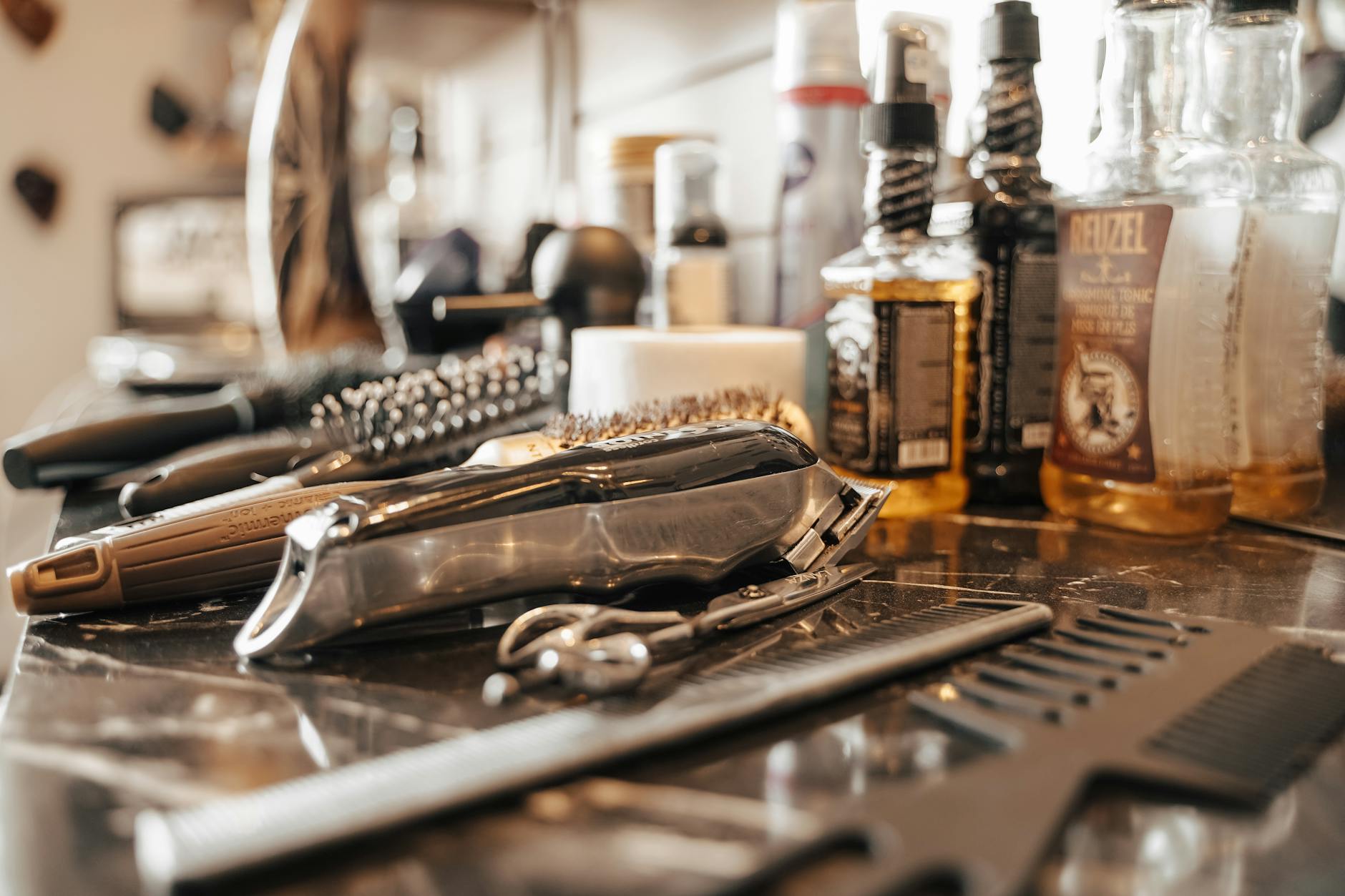
The Personal Touch That Big Brands Can’t Match
Mike Torres, owner of Brooklyn’s Precision Cuts, started his subscription service after customers kept asking where to buy the pomade he used during their cuts. “I was already ordering these products in bulk,” Torres explains. “Why not let my customers get the same quality stuff I use on them every month?”
His “Chair to Home” boxes include three to four products monthly: shampoos from small-batch manufacturers, beard oils from local artisans, and styling products he tests personally. Each box comes with a handwritten note explaining how to use each product, often referencing the customer’s specific hair type or styling preferences from their last visit.
The personalization extends beyond product selection. Torres photographs himself demonstrating techniques with featured products, creating short video tutorials that subscribers access through QR codes. This approach has attracted customers from neighboring boroughs who never actually visit his shop but trust his expertise enough to subscribe.
Similar stories are emerging nationwide. Seattle’s Westside Barber Co. includes seasonal products that match the Pacific Northwest climate, while Miami’s South Beach Cuts focuses on humidity-resistant styling products and SPF-infused beard care.
Building Recurring Revenue in a Service Business
The financial impact extends well beyond product markups. Subscription boxes create predictable monthly income that helps barbershops weather slow periods and plan for expansion. Torres reports that his 200 subscribers generate approximately $4,000 monthly in additional revenue, with profit margins around 40% after product costs and shipping.
More importantly, subscribers visit the shop 25% more frequently than non-subscribers. The monthly product deliveries serve as regular reminders to book appointments, creating a retention loop that benefits both streams of income.
This model works particularly well for barbershops because grooming products are consumable items that customers need to replace regularly. Unlike one-time purchases, the subscription format matches the natural replenishment cycle while building stronger customer relationships.

The approach mirrors successful revenue diversification strategies seen in other local businesses. Just as local coffee shops generate revenue through coworking day passes, barbershops are finding ways to monetize their expertise and space beyond core services.
Overcoming Logistics and Competition Challenges
Running a subscription service requires skills that don’t naturally align with cutting hair. Inventory management, shipping logistics, and customer service demands can overwhelm barbershops unprepared for the operational complexity.
Carlos Rodriguez of Austin’s Classic Cuts learned this lesson the hard way. His initial enthusiasm led to over-ordering expensive products that sat in storage while lighter items sold out quickly. “I thought it would be like stocking the shop, but subscription customers expect consistency,” Rodriguez notes. “If they love a product one month and it’s not available the next, they get frustrated.”
Successful barbershop subscription services typically start small, often with 20-30 subscribers, and focus on building systems before scaling. Many partner with fulfillment services to handle shipping and inventory management once they reach 100+ subscribers.
Competition from established grooming brands remains significant. Dollar Shave Club and Harry’s have massive marketing budgets and established supply chains. However, local barbershops compete on expertise and personalization rather than price or convenience.
The key differentiator lies in trust and relationship building. When customers know their barber personally and see the products being used during their cuts, the subscription feels like an extension of the service relationship rather than just another monthly box.
Product Curation and Brand Partnerships
Successful barbershop subscription services focus heavily on product curation, often featuring items not available in mainstream retail channels. This requires building relationships with smaller grooming product manufacturers who offer wholesale pricing and exclusive access.
Many barbershops partner with local artisans and small-batch manufacturers, creating mutual marketing opportunities. A beard oil maker might offer exclusive scents to specific barbershop subscribers, while the barbershop promotes the artisan’s brand to its customer base.
Quality control becomes crucial for maintaining subscriber satisfaction. Barbershops must test products thoroughly before including them in boxes, often using them on actual customers during regular appointments to gauge reactions and gather feedback.

Some shops create their own private-label products in partnership with manufacturers, offering subscribers truly exclusive items. This approach requires significant upfront investment but creates unique value propositions that differentiate from competitors.
The Future of Barbershop Business Models
The subscription box trend represents a broader shift toward experience-based business models in personal services. Barbershops are recognizing that their value extends beyond the physical service to include expertise, product knowledge, and ongoing relationships with customers.
Technology integration continues expanding these opportunities. Some barbershops are experimenting with apps that let subscribers rate products, request specific items, or schedule appointments directly through their subscription accounts.
The model’s success suggests that local service businesses can compete effectively with large corporations by leveraging their personal relationships and specialized knowledge. As consumer preferences shift toward supporting local businesses and seeking personalized experiences, barbershop subscription services position independent shops to capture value beyond traditional service boundaries.
This transformation from simple service providers to comprehensive grooming consultants reflects the evolution of small business strategy in the digital age. Barbershops that successfully navigate the operational challenges of subscription services are building more resilient, diversified businesses that serve customers in multiple ways while generating predictable recurring revenue.
Frequently Asked Questions
How much revenue can barbershops generate from subscription boxes?
Successful barbershops report generating $3,000-$5,000 monthly from 150-200 subscribers with 40% profit margins.
What products do barbershop subscription boxes typically include?
Boxes usually contain 3-4 grooming products like pomades, beard oils, shampoos, and styling products the barber actually uses.