





Local furniture stores across America are discovering their biggest profit center isn’t always selling sofas and dining sets. Instead, many independent retailers generate substantial revenue streams by transforming into full-service interior design consultancies, charging premium fees for expertise that goes far beyond traditional furniture sales.
This shift represents a fundamental change in how neighborhood furniture stores compete against big-box retailers and online giants. While major chains compete on price and selection, local stores leverage their design expertise and personalized service to command higher margins and build lasting customer relationships.
The model works because customers increasingly view furniture purchases as part of larger home transformation projects. Rather than buying individual pieces, homeowners want cohesive spaces that reflect their lifestyle and personality. Local furniture stores position themselves as partners in this process, offering design services that generate revenue independent of product sales.
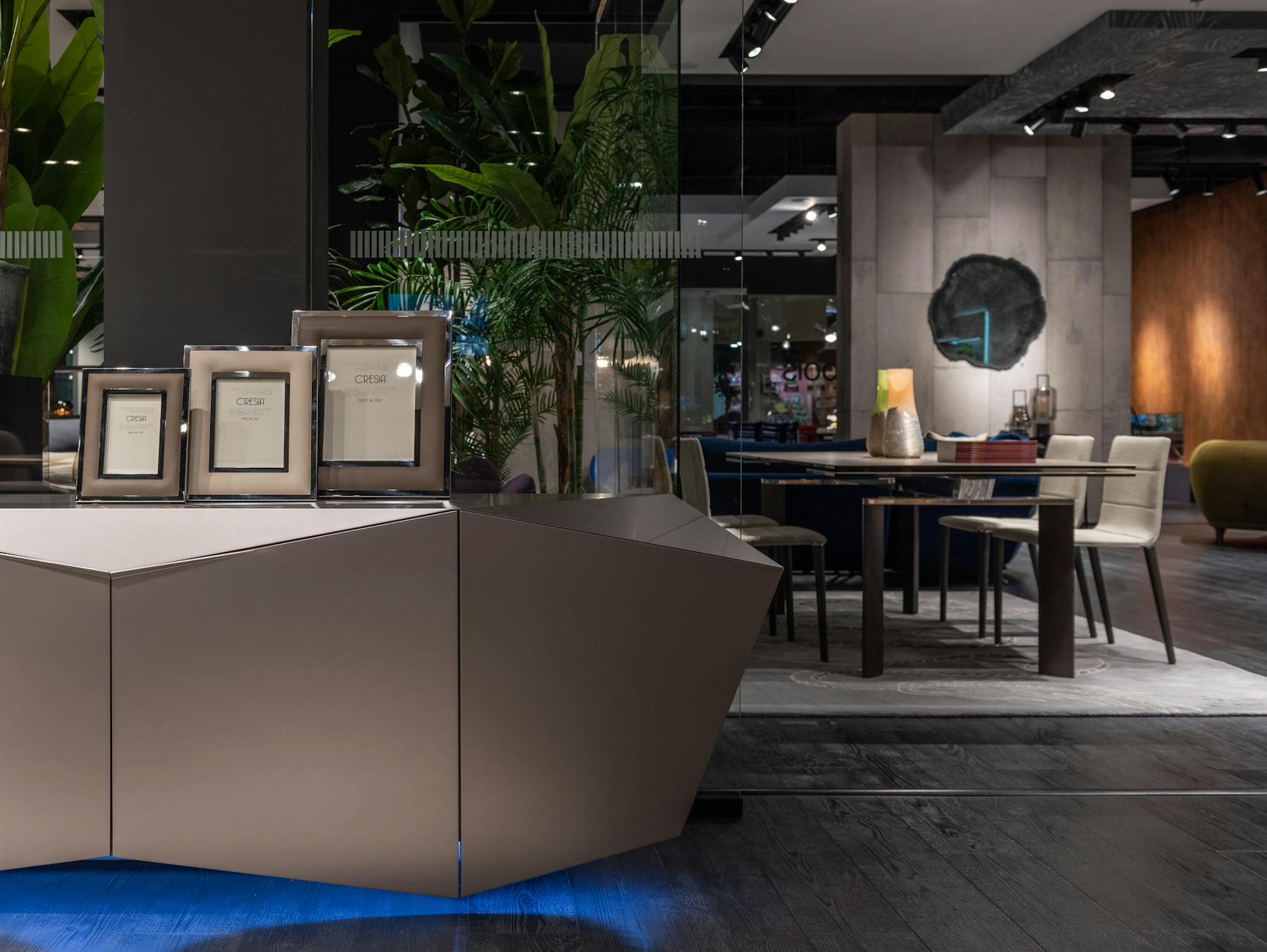
The Consultation Revenue Model
Most furniture stores charge consultation fees ranging from $75 to $200 per hour, with many requiring minimum commitments of three to five hours for comprehensive room designs. These fees apply whether customers purchase furniture from the store or not, creating immediate revenue that doesn’t depend on inventory turnover.
Design consultations typically begin with in-home visits where designers assess existing spaces, discuss lifestyle needs, and develop preliminary concepts. Stores often package these initial consultations with follow-up services including space planning, color selection, and furniture arrangement. The process can extend over several weeks, generating multiple billable hours per project.
Many stores structure their pricing to encourage furniture purchases while maintaining profitable consultation fees. Common models include credited consultation fees, where design costs apply toward furniture purchases over certain thresholds, or standalone design services priced independently of any product sales.
The consultation approach allows stores to serve customers across various budget levels. High-end clients might invest thousands in custom design plans, while budget-conscious homeowners pay for basic space planning and shopping guidance. This flexibility expands the customer base beyond traditional furniture buyers.
Value-Added Design Services
Beyond basic consultations, furniture stores develop comprehensive service packages that address every aspect of interior design. These services create multiple revenue streams while positioning stores as one-stop solutions for home transformation projects.
Space planning represents a core service offering, particularly valuable for customers dealing with challenging room layouts or multi-functional spaces. Designers create detailed floor plans showing furniture placement, traffic flow, and spatial relationships. These technical drawings command premium fees because they require specialized software and expertise.
Color consultation services help customers navigate paint selections, fabric choices, and decorative accents. Many stores partner with paint manufacturers to offer color matching and coordination services, earning referral fees while providing valuable expertise to customers overwhelmed by endless color options.
Project management services address the logistical challenges of home renovation and decoration. Designers coordinate with contractors, schedule deliveries, and oversee installation timelines. This service proves especially valuable for busy professionals willing to pay for convenience and expertise.
Custom design services represent the highest-margin offerings, where stores create bespoke furniture pieces or coordinate with local artisans for unique home accessories. These projects can generate thousands in design fees plus substantial markups on custom products.

Building Design Expertise and Credibility
Successful furniture stores invest heavily in developing legitimate design credentials and showcasing expertise through multiple channels. This investment separates professional design services from basic sales assistance, justifying premium consultation fees.
Staff training focuses on both design principles and business skills. Many stores require employees to complete interior design certification programs or pursue continuing education in current design trends. Some retailers partner with local design schools to recruit talent or provide internship opportunities that benefit both students and stores.
Portfolio development showcases completed projects through professional photography and detailed case studies. Stores maintain extensive before-and-after galleries demonstrating their design capabilities across various styles and budgets. These portfolios serve as marketing tools and help justify consultation fees to potential clients.
Social media presence amplifies design expertise through regular content sharing design tips, trend updates, and project reveals. Many stores develop substantial Instagram and Pinterest followings by consistently sharing high-quality interior design content. This digital presence attracts design-focused customers willing to pay for professional services.
Community involvement through design-related events builds local credibility and generates referrals. Stores host design workshops, participate in home and garden shows, and partner with real estate professionals to reach potential clients. These activities position store owners as local design authorities.
Professional partnerships with contractors, architects, and real estate agents create referral networks that generate consistent consultation requests. Many stores formalize these relationships through referral fee arrangements, creating mutually beneficial partnerships that expand their design business reach.
Technology and Process Integration
Modern furniture stores leverage technology to streamline design services while maintaining personalized customer experiences. Digital tools enhance both the efficiency and quality of design consultations, allowing stores to serve more clients profitably.
Design software enables stores to create professional floor plans, 3D renderings, and virtual room layouts. Programs like SketchUp, AutoCAD, or specialized interior design software allow designers to produce impressive visual presentations that justify consultation fees. Many stores invest in tablets or laptops for on-site design work during home consultations.
Project management systems track consultation progress, schedule follow-up appointments, and manage customer communications. These systems ensure consistent service delivery while maximizing billable hours through efficient scheduling and task management.
Digital catalogs and augmented reality tools help customers visualize furniture pieces in their spaces before making purchase decisions. Some stores use AR apps that allow customers to place virtual furniture in their rooms using smartphone cameras. These tools enhance the consultation experience while reducing returns and exchanges.
Customer relationship management systems track design preferences, purchase history, and project timelines. This information enables designers to provide more personalized service and identify opportunities for additional consultations or services.
Similar to how local hardware stores generate revenue through DIY workshop classes, furniture retailers find success by expanding beyond traditional product sales into educational and advisory services.

Scaling and Future Growth
The interior design consultation model offers furniture stores sustainable growth opportunities that aren’t limited by physical showroom space or inventory investments. As stores build design reputations and customer bases, they can expand services and increase consultation fees accordingly.
Many successful stores transition toward becoming full-service design firms that happen to sell furniture, rather than furniture stores offering occasional design help. This evolution allows for higher profit margins and more stable revenue streams less dependent on furniture market fluctuations.
Virtual consultation services, accelerated by recent changes in consumer behavior, allow stores to serve clients beyond their immediate geographic areas. Video consultations, digital design presentations, and online project management expand potential customer bases without requiring additional physical locations.
The integration of design services with e-commerce platforms creates hybrid business models where stores generate consultation revenue while fulfilling product sales through various channels. This approach maximizes both service fees and product margins while providing customers with seamless experiences.
As local businesses continue adapting to competitive pressures from online retailers, the interior design consultation model provides furniture stores with defensible advantages that can’t easily be replicated by distant competitors. Personal service, local expertise, and hands-on design assistance remain valuable differentiators that justify premium pricing and build lasting customer relationships.
Frequently Asked Questions
How much do furniture stores charge for design consultations?
Most stores charge $75-200 per hour with minimum 3-5 hour commitments for comprehensive room designs.
Do consultation fees apply toward furniture purchases?
Many stores offer credited fees where consultation costs apply toward furniture purchases over certain thresholds.