





Libraries across America are quietly becoming profitable business hubs. The Millfield Public Library in Massachusetts now generates over $2,000 monthly from coworking memberships, while the Riverside Branch in Oregon reports a 40% increase in overall revenue since launching their workspace program in 2022.
This revenue transformation comes as libraries face mounting budget pressures and changing community needs. Rather than competing with commercial coworking spaces, libraries are leveraging their existing infrastructure, trusted community presence, and unique value proposition to create sustainable income streams.
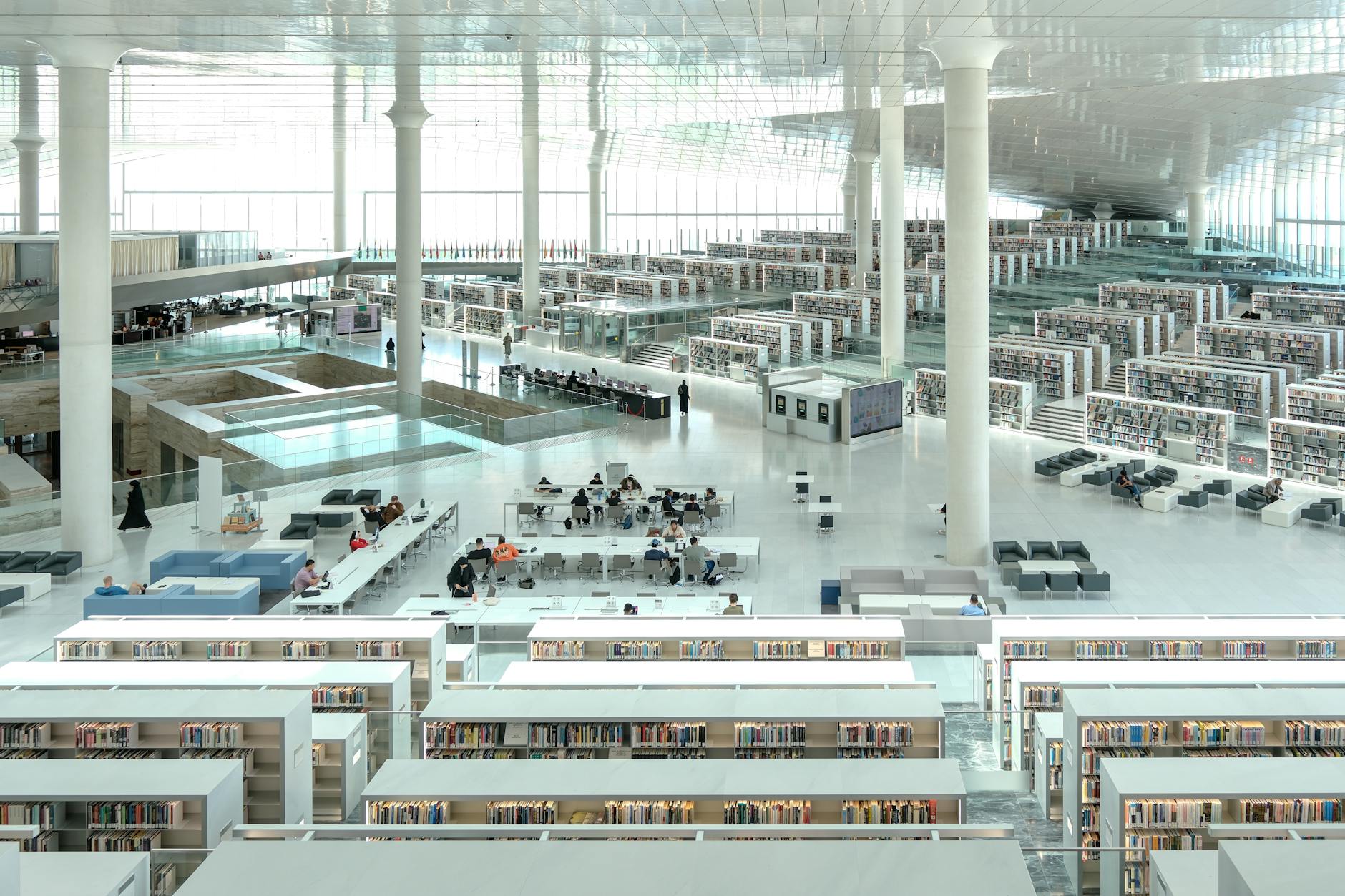
The Economics Behind Library Coworking
Traditional library funding relies heavily on municipal budgets, grants, and donations – sources that have remained flat or declined in many communities. The American Library Association reports that 73% of public libraries experienced budget constraints in the past three years, prompting creative revenue solutions.
Library coworking programs typically charge $25-75 monthly for unlimited access, significantly less than commercial alternatives that often exceed $200 monthly. The Denver Public Library’s Central Branch offers three membership tiers: basic desk access ($35), private office hours ($65), and premium packages with meeting room privileges ($95).
The overhead costs remain minimal since libraries already provide Wi-Fi, electricity, furniture, and staffing. Additional revenue streams emerge naturally through printing services, coffee partnerships, and event space rentals to members’ clients.
“We’re not reinventing our mission – we’re expanding it,” explains Sarah Chen, director of the Westfield Public Library in New Jersey. “Professional development and business support have always been part of what libraries do.”
Converting Underutilized Spaces Into Revenue Centers
Most libraries contain significant underutilized space during traditional business hours. Reference sections see less foot traffic as digital resources grow, while large meeting rooms often sit empty between evening programs.
The Salt Lake City Library system converted two floors of their main branch into collaborative workspaces, generating $8,400 monthly from 140 active members. Private study rooms became bookable office spaces, while former periodical areas transformed into open coworking zones.

Similar to how local hardware stores generate revenue through DIY workshop classes, libraries maximize existing resources for new income streams. The key lies in understanding which spaces serve current patrons versus which could serve paying professionals.
Soundproofing investments typically range from $2,000-$8,000 per room, while basic furniture upgrades cost $5,000-$15,000 total. Most libraries recover these investments within eight months through membership fees.
The Phoenix Central Library installed sliding glass partitions to separate coworking areas from traditional library spaces, maintaining the quiet environment regular patrons expect while accommodating business calls and collaborative work.
Attracting Remote Workers and Entrepreneurs
Library coworking appeals to demographics that commercial spaces often overlook: freelancers with limited budgets, remote employees seeking alternatives to coffee shops, and early-stage entrepreneurs who need professional environments without long-term commitments.
The target market includes writers, consultants, graphic designers, and remote corporate employees. Unlike commercial coworking spaces that focus on tech startups and venture-funded companies, library programs serve broader professional communities.
Marketing strategies leverage existing community connections. The Austin Public Library system promotes coworking memberships through local business associations, neighborhood groups, and social media channels. Word-of-mouth referrals account for 60% of new memberships.
Member benefits often extend beyond workspace access. The Chicago Public Library offers coworking members priority booking for meeting rooms, discounted printing services, and exclusive access to business development workshops. Some locations provide mailing addresses and package receipt services.
Business networking happens organically as members work alongside nonprofit volunteers, students, and community activists – creating unique collaboration opportunities absent from traditional coworking environments.
Operational Challenges and Solutions
Managing mixed-use spaces requires careful planning and clear policies. Libraries must balance revenue generation with traditional mission fulfillment, ensuring paid members don’t displace regular patrons or alter the welcoming public atmosphere.
Noise management presents the biggest operational challenge. The Burlington Public Library in Vermont uses white noise machines and strategic furniture placement to create buffer zones between coworking areas and quiet study sections. Clear signage indicates designated work zones and noise expectations.

Security concerns arise when valuable equipment and personal belongings share spaces with public access. Most libraries implement locker rental programs and require key card access to coworking areas during certain hours.
Staff training becomes essential as librarians navigate commercial relationships alongside public service duties. The successful programs invest in customer service training and establish clear protocols for handling member complaints or policy violations.
Technology infrastructure often requires upgrades to support professional users. High-speed internet, reliable printing networks, and adequate power outlets become critical for member satisfaction and retention.
Building Community Partnerships
Successful library coworking programs cultivate partnerships with local business organizations, economic development agencies, and entrepreneur support groups. These relationships provide marketing channels, programming opportunities, and community credibility.
The Portland Public Library partners with the local chamber of commerce to offer monthly networking events exclusively for coworking members. The Small Business Development Center provides on-site consulting services, while local coffee roasters supply discounted beverages.
Revenue sharing agreements with service providers create additional income streams. Copy and printing partnerships, vending machine commissions, and café arrangements can add $500-$1,500 monthly to library budgets without requiring direct management overhead.
Libraries increasingly collaborate with municipal economic development offices to position coworking programs as small business incubators, accessing grants and incentives unavailable to traditional revenue-generating activities.
The future of library coworking looks toward hybrid models combining traditional public service with sustainable business operations. As remote work continues growing and communities seek affordable professional spaces, libraries are uniquely positioned to serve this market while advancing their educational and community development missions.
Frequently Asked Questions
How much do library coworking memberships typically cost?
Most library coworking programs charge $25-75 monthly, significantly less than commercial coworking spaces that often exceed $200 monthly.
Do library coworking spaces interfere with regular library services?
Well-managed programs use underutilized spaces and implement noise management strategies to maintain traditional library environments for regular patrons.