





Conservative investors are discovering something unexpected: green bonds issued by cities and towns are delivering the stability they crave while supporting environmental projects. Municipal green bond funds have attracted unprecedented capital from risk-averse portfolios, with assets under management growing 45% in 2023 according to the Municipal Securities Rulemaking Board.
These specialized funds invest in bonds issued by local governments to finance environmentally beneficial projects like water treatment facilities, renewable energy systems, and flood protection infrastructure. Unlike corporate green bonds, municipal versions carry the backing of government entities with taxing authority, creating an appealing combination of environmental impact and credit security.
The shift represents a notable departure from traditional conservative investing patterns, where environmental considerations often took a backseat to stability and income generation. Now, portfolio managers are finding these funds offer both.

Tax Advantages Drive Conservative Interest
Municipal green bonds provide the same tax benefits as traditional municipal debt, with interest payments typically exempt from federal income tax and often state taxes for in-state residents. This tax efficiency becomes particularly attractive for conservative investors in higher tax brackets seeking predictable after-tax returns.
The appeal extends beyond taxes. Green municipal projects often address critical infrastructure needs that generate stable revenue streams. Water treatment upgrades, for example, create long-term utility billing relationships that provide steady cash flow to bondholders.
“These aren’t speculative environmental ventures,” explains Sarah Martinez, a portfolio manager at Vanguard who oversees municipal bond strategies. “We’re talking about essential infrastructure that happens to have environmental benefits. The credit quality remains our primary focus.”
The stability factor proves crucial for conservative portfolios. Municipal green bond defaults remain extremely rare, with historical default rates below 0.1% according to Moody’s data. This track record helps explain why traditionally risk-averse investors are warming to the sector.
Infrastructure Needs Create Investment Opportunities
American cities face a massive infrastructure modernization challenge, with the American Society of Civil Engineers estimating trillions in needed upgrades over the next decade. Green bond financing allows municipalities to address these needs while accessing environmentally conscious capital.
Recent high-profile issuances illustrate the scope. Miami-Dade County raised funds for resilience projects including flood barriers and upgraded drainage systems. Seattle issued green bonds to finance electric bus fleets and charging infrastructure. These projects serve immediate municipal needs while qualifying for green bond designation.
The infrastructure angle appeals to conservative investors who prefer tangible assets backing their investments. Unlike some corporate environmental initiatives that may seem abstract, municipal green projects typically involve concrete improvements to water systems, transportation networks, or energy infrastructure.
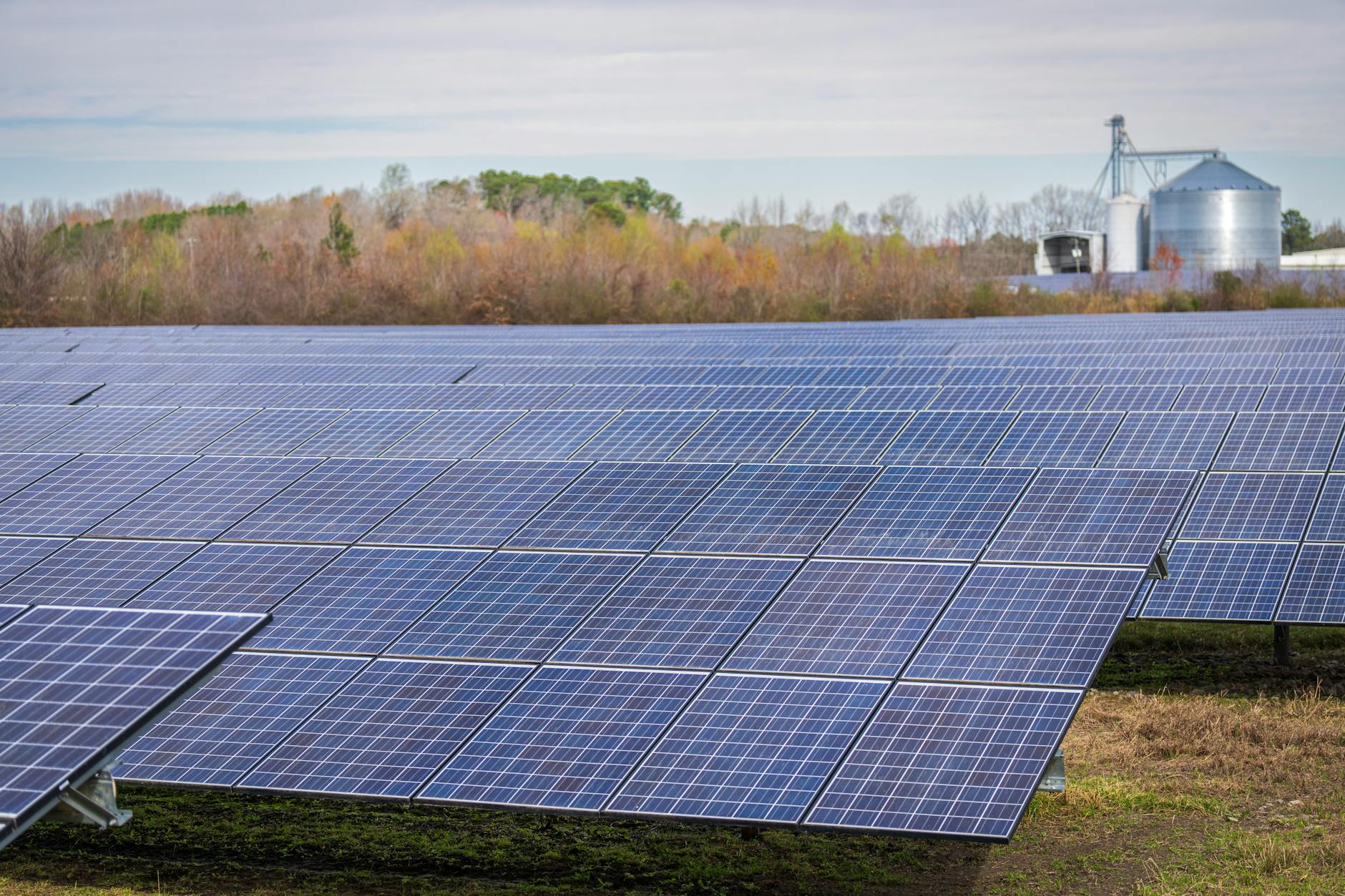
Portfolio diversification adds another layer of appeal. As noted in recent analysis of how target-date funds are adapting to longer life expectancies, conservative allocations increasingly seek ways to balance stability with growth potential. Municipal green bonds fit this profile by offering steady income with exposure to long-term demographic and environmental trends.
Performance Metrics Satisfy Risk-Averse Managers
Financial performance data supports the conservative investor migration to municipal green bond funds. The Bloomberg Municipal Green Bond Index has delivered competitive returns relative to broader municipal bond benchmarks while maintaining similar volatility profiles.
Credit ratings for municipal green bonds mirror those of traditional municipal debt from the same issuers. When Chicago issues green bonds for energy-efficient building upgrades, they carry the same credit rating as the city’s conventional debt. This consistency reassures conservative investors who prioritize credit quality over yield chasing.
Duration risk, a key concern for bond investors in varying interest rate environments, remains manageable within municipal green bond funds. Fund managers typically maintain average durations between four and six years, providing reasonable interest rate sensitivity for conservative portfolios.
The sector’s growth trajectory also supports long-term viability. Municipal green bond issuance reached record levels in 2023, with over 200 state and local governments participating. This expanding supply gives fund managers better opportunities for diversification and security selection.
ESG Integration Without Compromise
Environmental, Social, and Governance (ESG) considerations are increasingly important even for conservative investors, particularly institutions with fiduciary responsibilities to diverse stakeholders. Municipal green bond funds allow these investors to integrate ESG factors without sacrificing their core requirements for stability and income.
The governance component proves particularly strong with municipal issuers. Cities and counties operate under public oversight with transparent budgeting processes and regulatory compliance requirements. This governance structure aligns with conservative investment principles emphasizing accountability and risk management.
Social benefits often accompany environmental projects funded through green bonds. Water infrastructure improvements serve entire communities, while public transit electrification projects provide broad social benefits. These outcomes satisfy investors seeking positive community impact alongside financial returns.
Unlike some ESG strategies that exclude entire sectors, municipal green bond funds maintain broad geographic and project-type diversification. Funds typically hold bonds from dozens of issuers across multiple states, reducing concentration risk while maintaining environmental focus.

The trend toward conservative adoption of municipal green bond funds reflects broader changes in institutional investment approaches. Similar patterns appear in other infrastructure-focused strategies, as seen in how real estate investment trusts benefit from warehouse shortage crisis, where practical infrastructure needs drive investment opportunities.
Looking ahead, municipal green bond funds appear positioned for continued growth among conservative portfolios. Federal infrastructure legislation and state-level climate initiatives are expected to drive additional issuance, providing fund managers with expanded investment universes.
The combination of tax efficiency, credit quality, infrastructure backing, and environmental benefits creates a compelling proposition for risk-averse investors. As municipalities continue addressing climate adaptation and infrastructure modernization needs, these funds offer conservative portfolios a way to participate in essential community improvements while maintaining their core investment principles.
This evolution suggests conservative investing is becoming more nuanced, embracing opportunities that align financial stability with broader societal needs. Municipal green bond funds represent this shift, proving that environmental considerations and conservative investment approaches need not be mutually exclusive.
Frequently Asked Questions
Are municipal green bonds as safe as regular municipal bonds?
Yes, municipal green bonds carry the same credit quality as traditional municipal debt from the same issuer, backed by government taxing authority.
What tax benefits do municipal green bond funds offer?
Interest from municipal green bonds is typically exempt from federal taxes and often state taxes for in-state residents, similar to traditional municipal bonds.