



The Quiet Infrastructure Trade Hiding in Plain Sight
Shipping container leasing funds occupy an odd corner of the investment universe – too tangible for pure financiers, too financial for pure operators, and consistently overlooked by retail investors who picture cargo ships when they should be thinking about steady lease income. The basic structure is straightforward: a fund acquires a fleet of standardized intermodal containers, leases them to ocean carriers and logistics companies under fixed or floating-rate contracts, and distributes the resulting cash flows to investors. The containers themselves serve as the collateral. The model is old. The renewed institutional interest is not.
What is drawing fresh attention from family offices, insurance companies, and infrastructure-focused allocators is a combination of factors that rarely align so neatly: predictable contracted revenue, hard asset backing, low correlation to public equity markets, and a global supply chain that cannot function without the roughly 50 million containers moving goods at any given moment. For yield-hungry portfolios that have already exhausted obvious infrastructure categories, container leasing is starting to look less like an obscure niche and more like an overlooked allocation that was always there.
How the Leasing Model Actually Works
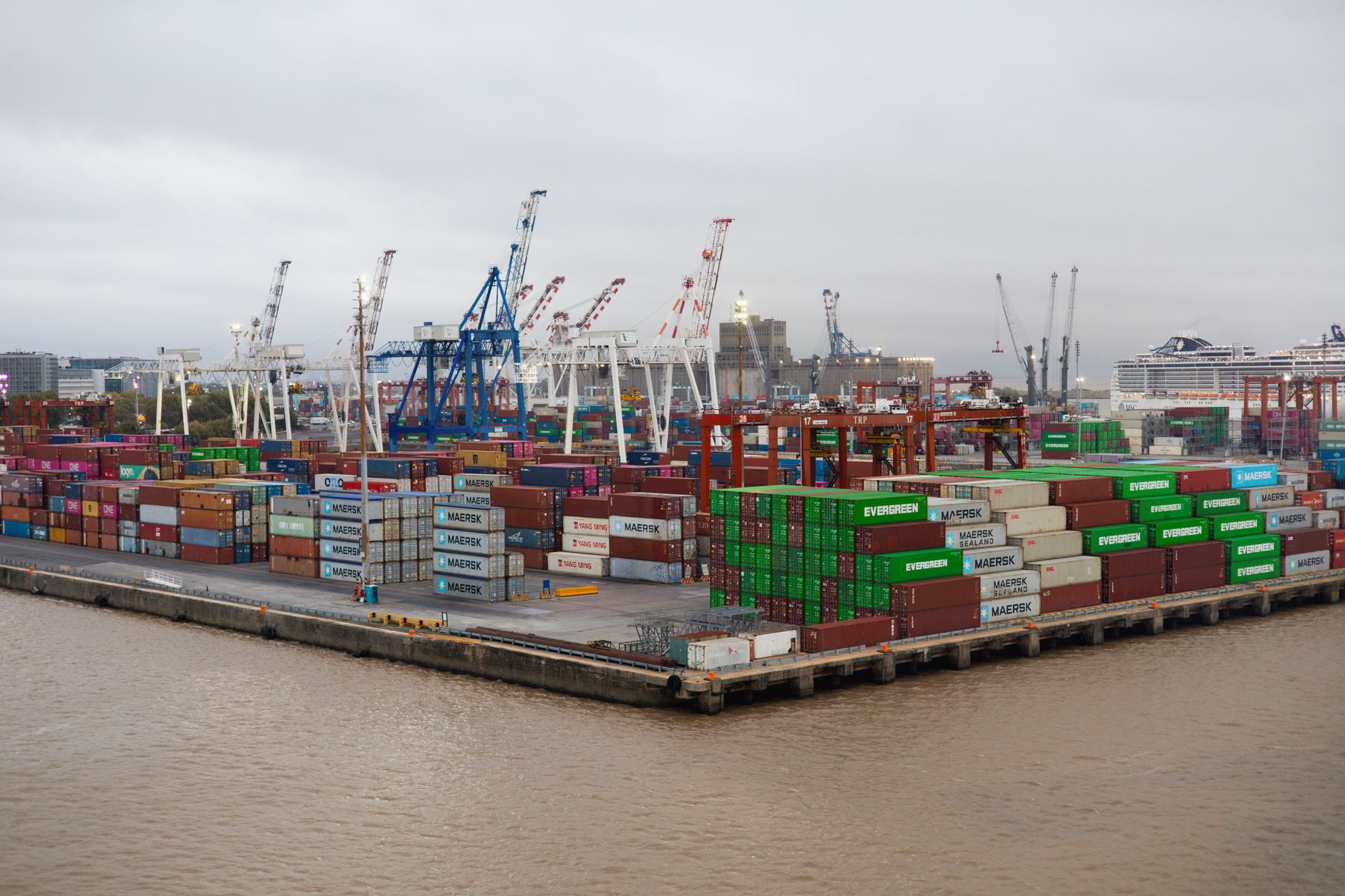
Container leasing funds operate on a structure that has more in common with aircraft leasing or equipment finance than with traditional shipping investments. The fund does not run ships or manage port operations. It owns boxes – the steel containers that transfer between vessels, trains, and trucks – and charges carriers a daily or monthly rate to use them. Major ocean carriers like Maersk and MSC have historically preferred leasing a significant portion of their container fleets rather than owning them outright, because leasing preserves capital and provides operational flexibility during cyclical demand swings. That preference creates the steady demand side of the equation.
Lease terms vary considerably. Short-term or “master lease” arrangements allow carriers to return containers with minimal notice, which introduces some occupancy risk but tends to carry higher per-diem rates. Long-term finance leases lock in a carrier for five to eight years and provide the predictable cash flow profile that infrastructure allocators specifically seek. Most institutional funds blend both, running a core portfolio of long-term leases with a smaller allocation to higher-rate short-term inventory. The container itself retains residual value that can be recovered through secondary market sales at end-of-life, which partially insulates the fund from worst-case scenarios.
The math on returns is not glamorous in bull market terms, but it is consistent. Net yields from container leasing funds have historically ranged in the mid-to-high single digits, depending on vintage, utilization rates, and lease mix. For an insurance company trying to match long-duration liabilities or a family office tired of watching private credit spreads compress, mid-single-digit yields backed by physical assets with identifiable liquidation value carry genuine appeal. That appeal intensifies when traditional infrastructure categories – toll roads, regulated utilities, core real estate – are priced for returns that barely justify the illiquidity premium.
Why Allocators Are Looking Now
The timing of this renewed interest is not accidental. Container supply dynamics shifted sharply during the supply chain disruptions of the early 2020s, and the aftermath has been instructive. Carriers that over-ordered owned containers during the shortage period found themselves holding excess inventory when volumes normalized, reinforcing the operational logic of leasing rather than owning. Leasing companies with disciplined fleet management and diversified carrier exposure held up comparatively well. That track record has given institutional due diligence teams something concrete to analyze.
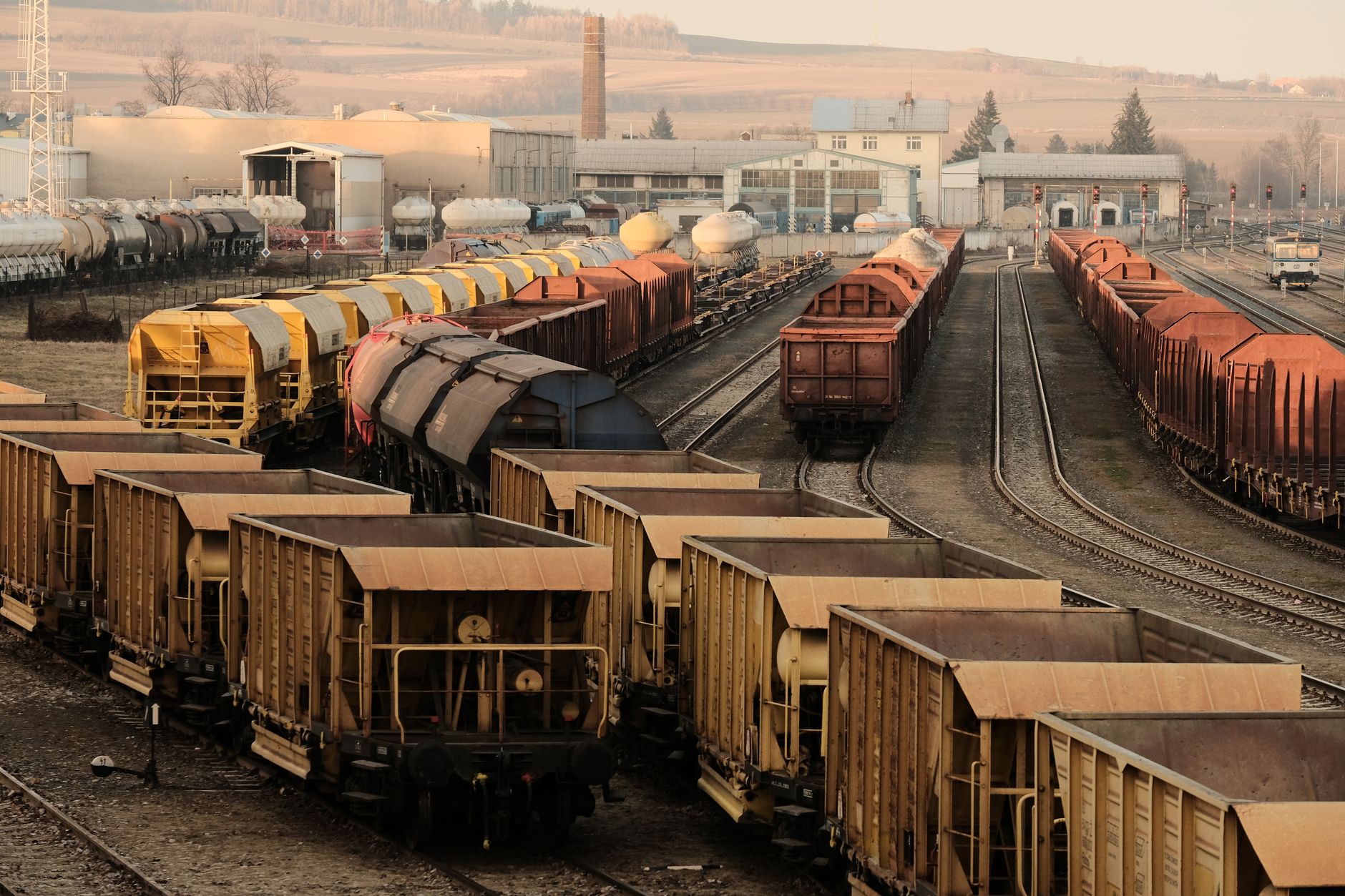
There is also a structural argument about global trade volumes that does not require heroic assumptions. Container throughput tends to grow alongside global GDP over long periods, and the infrastructure supporting that throughput – ports, rail connections, depot networks – requires the containers themselves as a foundational layer. Allocators who have already committed capital to hard asset categories like farmland as inflation hedges are running the same logic through container leasing and finding a similar structure: physical assets, contracted income, limited sensitivity to rate cycles once leases are signed.
The Risk Factors That Keep This Niche
Container leasing funds are not without genuine structural risks, and the fact that they remain lightly covered by mainstream financial media is partly a function of those risks being harder to explain to a generalist audience. Carrier concentration risk is the most obvious – if a major lessee defaults or dramatically reduces its leased fleet, the fund must remarket containers in a potentially soft environment. The bankruptcy of Hanjin Shipping in 2016 remains the reference case that every container leasing fund manager eventually cites in a risk discussion, and it caused real pain for lessors caught with unmarketable inventory and stranded containers in ports that refused to handle goods from a bankrupt carrier.
Container prices themselves are volatile in ways that matter for residual value assumptions. A standard 20-foot dry container might trade at $1,200 in a soft period and over $4,000 during a shortage. Funds that mark their portfolios at inflated replacement values and then face disposition in a normalized market can see net asset values fall faster than income statements would suggest. This is not a theoretical concern – it is why vintage selection and entry price discipline are the variables that separate the better-performing funds from the rest.
Currency exposure adds another layer. Containers are typically leased in US dollars, which simplifies income currency risk, but operating costs – depot fees, maintenance, repositioning – are incurred in local currencies across dozens of countries. A prolonged period of dollar weakness relative to major operational currencies can compress margins in ways that are difficult to fully hedge without material cost. Most fund managers acknowledge this exposure rather than pretending it away, which is the appropriate response, but it remains a source of return drag that does not appear in the headline yield figures.
Geographic diversification of the container fleet also matters more than it might seem. A fund with heavy concentration in Asia-Europe trade lanes faces different cyclical risks than one spread across intra-Asian, transatlantic, and emerging market routes. During periods of trade disruption – whether driven by geopolitics, port congestion, or demand shocks – some lanes recover faster than others, and fleet repositioning costs can eat into returns for funds that are poorly positioned at the wrong moment. The operational complexity of managing a globally distributed fleet is the primary reason this asset class has historically been dominated by a handful of specialist managers rather than opened up to a wide range of new entrants.

The manager universe remains small and concentrated, which creates its own due diligence challenge for allocators. Triton International, Textainer, CAI International, and a few others have historically controlled the bulk of the institutional leasing market, and most fund structures available to outside investors involve co-investment with or managed accounts alongside these specialists rather than independently managed vehicles. That concentration means that access, terms, and vintage exposure are often determined more by existing relationships than by open market selection – a dynamic that favors early movers and penalizes allocators arriving late to a manager’s capacity queue.