




The Quiet Corner of Risk Markets That Institutional Investors Are Watching
Reinsurance sidecars occupy a narrow but increasingly attractive slice of alternative capital markets. These special-purpose vehicles – created by primary reinsurers to share underwriting risk with outside investors – have existed in various forms since the late 1990s, but their appeal to institutional capital has sharpened considerably following consecutive years of catastrophic loss events and a subsequent hardening of reinsurance pricing. The structure is straightforward: an investor puts capital into a sidecar, that capital backs specific insurance risk (typically property catastrophe), and at the end of the underwriting period, the investor collects a return tied to how that risk performed.
What makes sidecars unusual compared to other insurance-linked securities is the directness of the exposure. Unlike catastrophe bonds, which require a public issuance process and carry their own liquidity characteristics, sidecars are private, bilateral arrangements negotiated directly with reinsurers. That opacity has historically kept them off the radar for all but the most sophisticated allocators. That is beginning to change.

Why Pricing Conditions Are Driving New Interest
Reinsurance pricing has hardened substantially over the past several years, driven by a combination of elevated natural catastrophe losses, inflationary claims costs, and the withdrawal of some traditional reinsurance capacity. When the market tightens this way, the economics of providing capital to reinsurers improve markedly. Sidecar investors, in effect, are stepping in to fill capacity gaps at prices that reflect the risk more accurately than they did during the soft market years of the mid-2010s. For institutions looking for returns that do not track equity markets, that combination of higher pricing and low correlation is difficult to ignore.
The low correlation aspect deserves emphasis. Sidecar returns are driven almost entirely by whether a hurricane, earthquake, or other catastrophe triggers losses in the covered book of business. Equity volatility, interest rate movements, and credit spreads have essentially no bearing on that outcome. For a pension fund or endowment managing a portfolio where most risk factors tend to move together during market stress – a problem that has pushed some allocators toward commodity trading advisors as correlations in equity markets rise – genuine diversification is worth paying for.
The underwriting cycle also creates a timing dimension that investors in more liquid markets rarely encounter. Sidecar capacity is typically raised at the January or June/July reinsurance renewals, when contract pricing is set for the coming year. Institutions that can commit capital in advance of those windows, and accept the illiquidity that comes with a one-to-three year lockup, tend to access better economics than those who arrive late in the cycle.
How the Structure Actually Works for Outside Investors
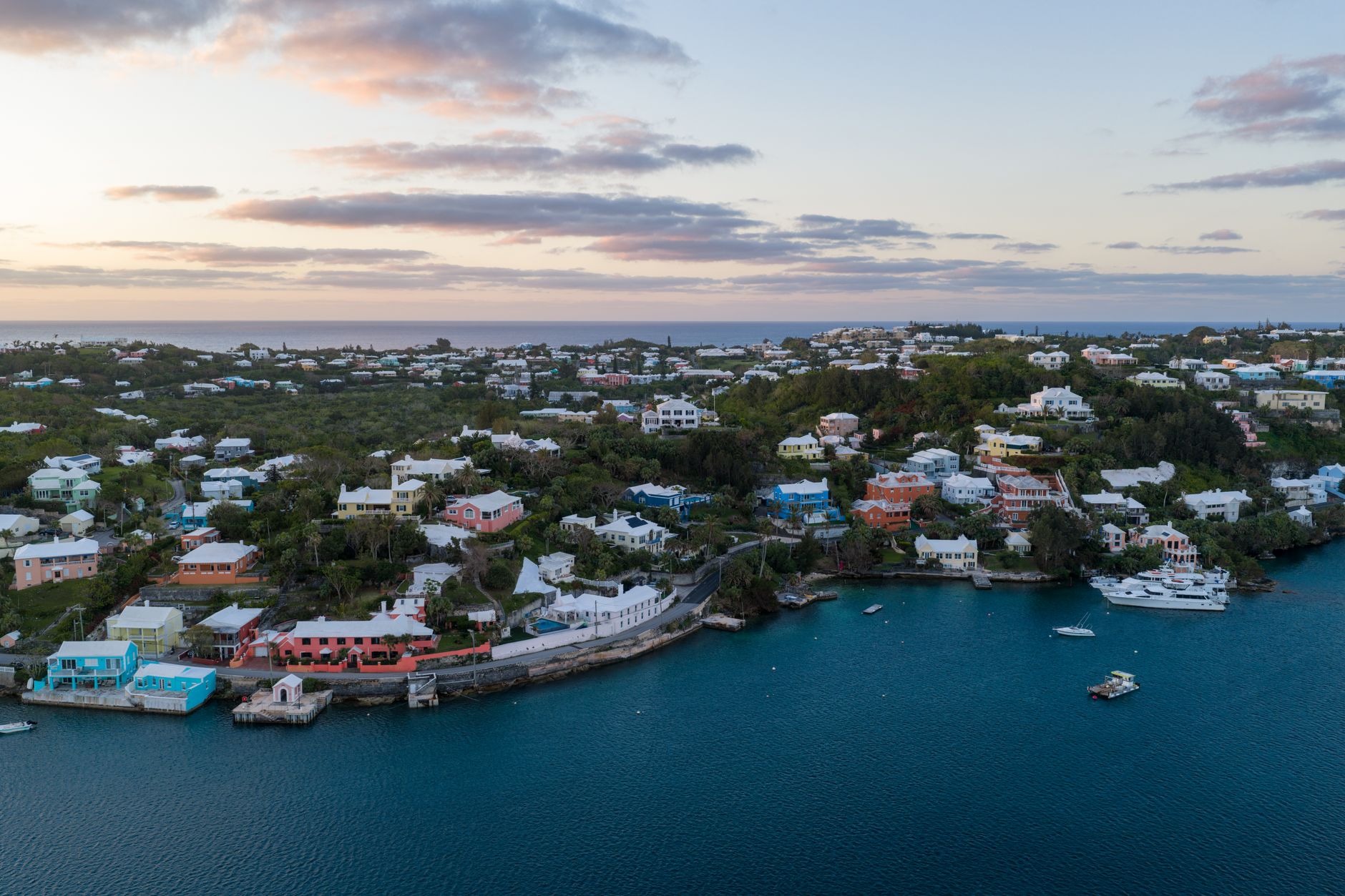
A sidecar is typically structured as a Bermuda-based special purpose insurer or reinsurer. The sponsoring reinsurer cedes a defined tranche of premiums and losses to the vehicle, and outside investors provide the capital that sits behind those obligations. The sidecar does not operate independently – it has no employees, no underwriting staff, and no claims-handling function. It simply holds capital and participates in risk economics alongside the sponsor.
Investors receive a proportional share of premiums collected, net of expenses and ceding commissions, and bear a proportional share of any losses that develop. The return in a good year – no major catastrophe events hitting the covered book – can be substantial, reflecting both the premium yield and the investment return on the collateral. In a bad year, that collateral is drawn down to pay claims. The asymmetry of outcomes is the defining feature: investors face binary-style risk that is either well-rewarded or meaningfully negative.
Due diligence on a sidecar differs from due diligence on a fund or a bond. The investor is essentially evaluating the underwriting quality of the sponsoring reinsurer – specifically, whether the book of business being ceded into the vehicle is priced adequately relative to the modeled risk. That requires access to proprietary catastrophe model outputs, loss histories, and an understanding of how the sponsor constructs and manages its catastrophe portfolio. Smaller institutions without dedicated insurance-linked securities teams have historically struggled to close that analytical gap, which is one reason the market has remained concentrated among large sovereign wealth funds, reinsurance-focused hedge funds, and specialist ILS managers.
A growing number of those specialist ILS managers now offer commingled fund structures that aggregate sidecar capacity across multiple sponsors, lowering the minimum ticket size and spreading catastrophe model risk across geographies and perils. This has opened the asset class to mid-size endowments and family offices that would not have the scale to negotiate directly with a Bermuda reinsurer. The tradeoff is an additional layer of fees and reduced transparency into the underlying risk.

The Structural Risks Institutions Are Pricing In
The appeal of sidecars should not obscure how genuinely punishing a bad loss year can be. A major hurricane making landfall in a densely insured area – a scenario that catastrophe models assign meaningful probability to in any given season – can wipe out multiple years of premium income. Investors who entered sidecars in 2004 and 2005 experienced consecutive loss years from a series of Gulf Coast storms. The capital at risk is real, not notional, and in most structures there is no secondary market exit available during the underwriting period.
Basis risk is a secondary concern specific to some sidecar structures. In vehicles that use parametric or index-based triggers rather than the reinsurer’s actual losses, the investor might face a scenario where the index triggers a payout but the underlying book sustains minimal losses – or vice versa. Alignment between the trigger mechanism and the actual risk being borne matters considerably, and institutional investors increasingly scrutinize contract language on this point before committing capital.
Regulatory complexity adds another layer. Bermuda remains the dominant domicile for sidecar activity, and the regulatory framework there is mature and reasonably well understood. But as sidecar structures have become more creative – incorporating collateralized structures, multi-year features, or exposure to longer-tail casualty lines alongside property catastrophe – the legal and regulatory analysis has become correspondingly more involved. Institutions with rigorous investment committee processes have had to build internal expertise or hire external counsel specifically for ILS documentation review.
What keeps institutions at the table despite these complications is the math of diversification. A portfolio that includes a well-underwritten allocation to property catastrophe risk alongside equities, fixed income, and private credit has historically shown lower overall volatility than one that doesn’t – not because catastrophe risk is safe, but because it fails and succeeds on its own terms. Whether the next Atlantic hurricane season will validate or challenge that thesis for 2025 vintage investors is the question every sidecar allocator is quietly sitting with right now.