





Dr. Sarah Chen never imagined her veterinary degree would lead to building a six-figure mobile empire. After five years working at a traditional clinic, she launched Paws on Wheels in 2019 with a converted van and $45,000 in startup capital. Today, her mobile veterinary service generates over $300,000 annually serving three suburban counties outside Denver.
Chen’s success reflects a growing trend transforming veterinary care delivery. Mobile veterinary clinics are carving out profitable niches in suburban markets where pet owners value convenience and personalized service. These rolling clinics eliminate the stress of transporting anxious pets while offering competitive pricing compared to traditional brick-and-mortar practices.
The mobile veterinary market has expanded rapidly, driven by pandemic-era preference for home-based services and America’s pet ownership boom. According to the American Pet Products Association, 70% of U.S. households own pets, creating a massive market for accessible veterinary care.
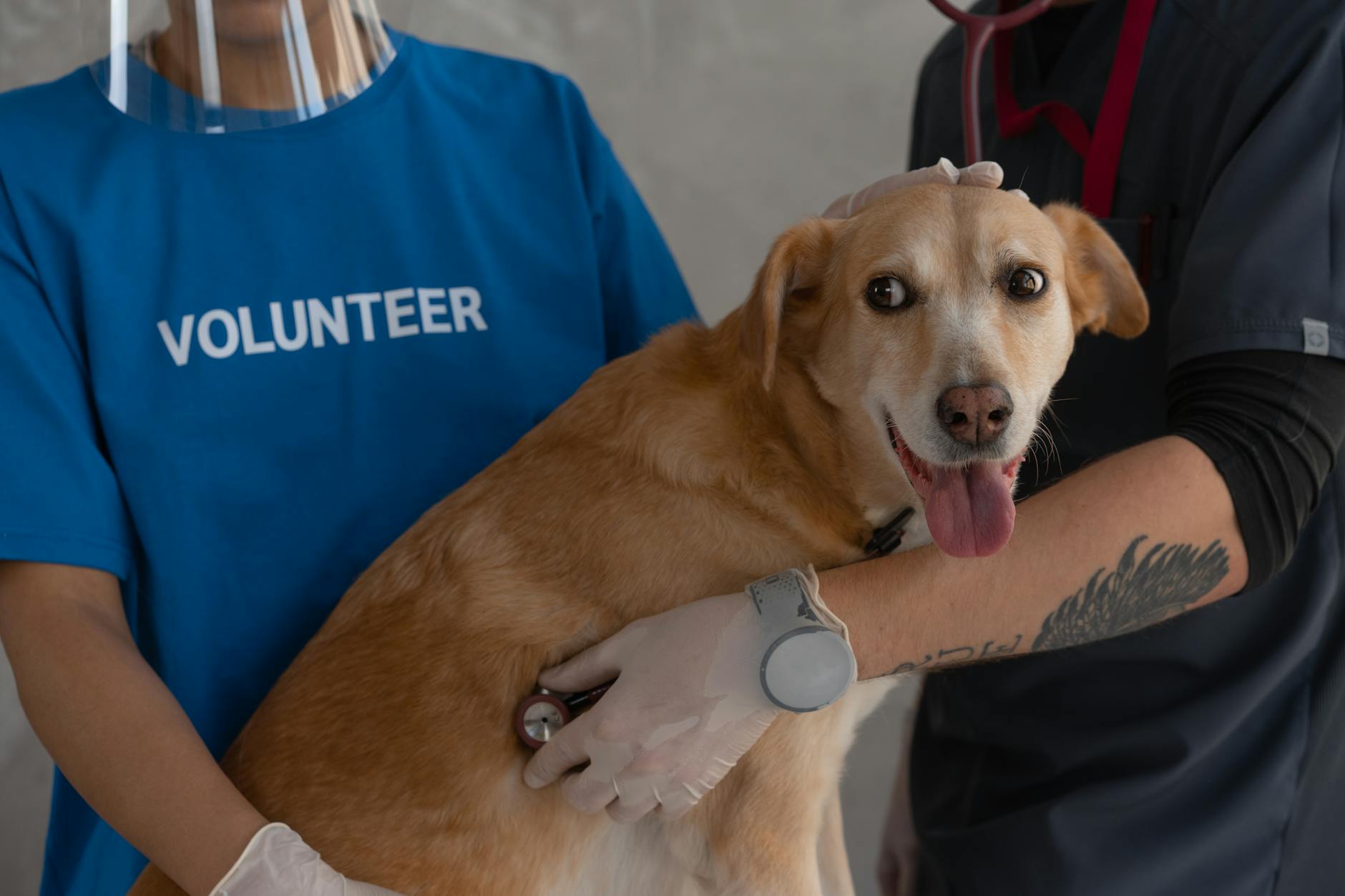
Route Planning Creates Revenue Streams
Successful mobile veterinary entrepreneurs build profitability through strategic route optimization and service scheduling. Dr. Marcus Rodriguez operates Mobile Pet Care Solutions across suburban Phoenix, serving established neighborhoods where pet density justifies regular visits.
“The key is creating predictable revenue through route efficiency,” Rodriguez explains. “I map neighborhoods based on pet registration data and client density. A single day might include six routine appointments within a five-mile radius, eliminating drive time waste.”
Rodriguez schedules routine services like vaccinations and wellness checks on predetermined routes, while reserving emergency slots for urgent cases. This hybrid model ensures steady income from scheduled appointments while capturing higher-margin emergency fees.
Mobile clinics typically charge 15-30% more than traditional practices for routine services, justifying premium pricing through convenience and reduced pet stress. Basic wellness visits range from $80-120, while specialized services like dental cleanings can command $200-400.
The economics work because mobile units have lower overhead than traditional clinics. No rent, reduced staff, and streamlined operations create higher profit margins despite premium equipment costs for mobile-ready diagnostic tools and surgical equipment.
Technology Drives Operational Efficiency
Modern mobile veterinary practices rely heavily on digital tools for scheduling, payment processing, and medical records management. Cloud-based practice management software enables real-time appointment booking and client communication from anywhere.
Dr. Jennifer Walsh, who operates three mobile units serving Dallas suburbs, uses GPS routing software to optimize daily schedules. “The technology automatically plans my most efficient route based on appointment times and locations. This saves me 45 minutes daily, which translates to another billable appointment.”
Digital payment systems eliminate cash handling complications while automated reminder systems reduce no-shows. Many operators report no-show rates below 5%, significantly better than traditional clinics averaging 15-20%.
Telemedicine capabilities expand service offerings beyond in-person visits. Mobile veterinarians conduct follow-up consultations via video calls, prescription renewals through digital platforms, and behavioral consultations remotely. These services generate additional revenue streams without requiring physical presence.
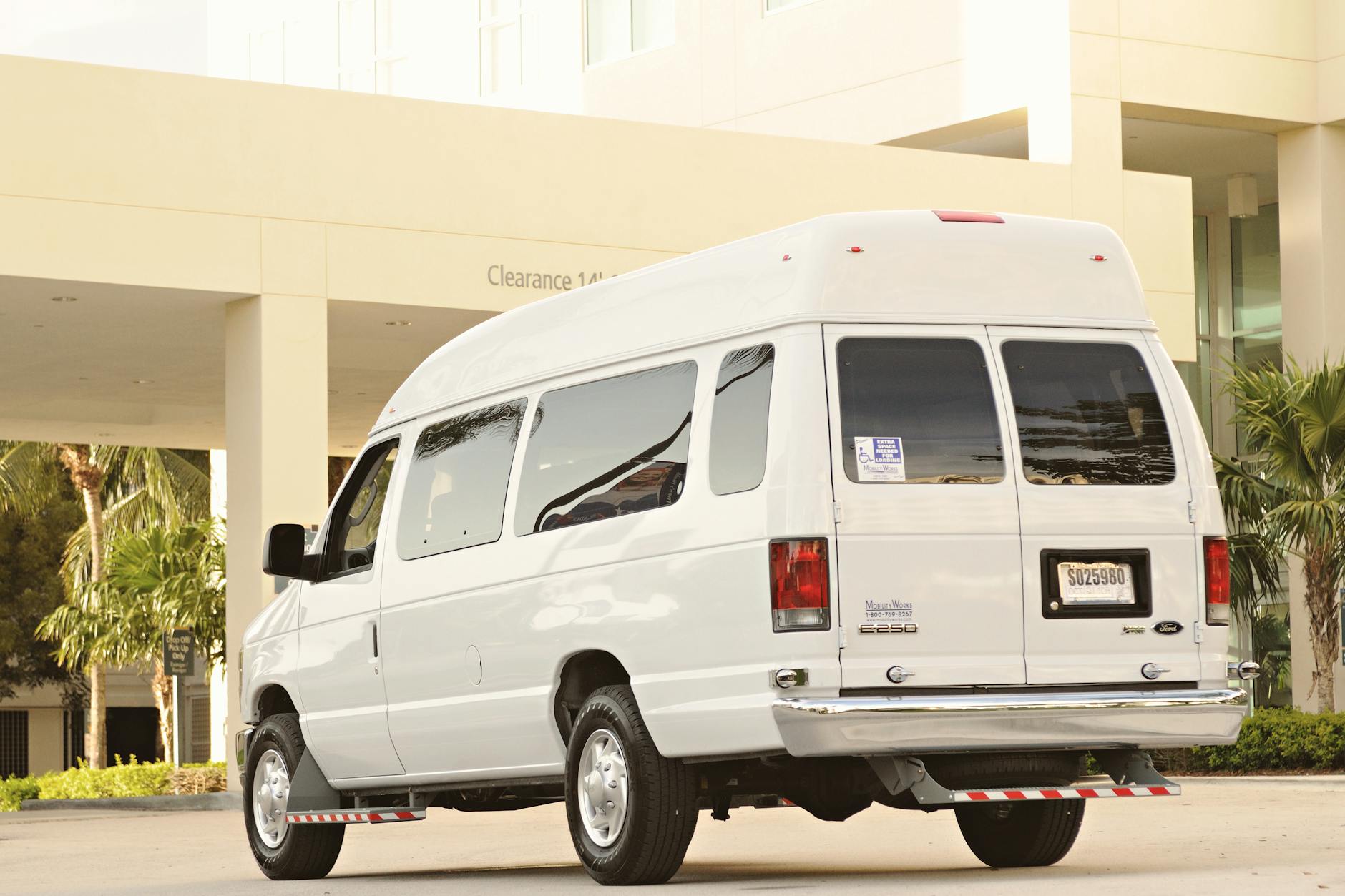
Electronic medical records synchronized across devices ensure continuity of care while meeting regulatory requirements. Portable diagnostic equipment now includes digital X-ray systems, ultrasound machines, and laboratory analyzers that connect directly to cloud-based record systems.
Suburban Markets Offer Ideal Conditions
Suburban markets provide optimal conditions for mobile veterinary success due to higher pet ownership rates, increased disposable income, and preference for convenience services. These areas often lack sufficient veterinary clinics relative to pet population, creating underserved markets.
New suburban developments frequently lack established veterinary infrastructure, presenting opportunities for mobile services to capture market share before traditional clinics arrive. Mobile operators can test market demand and establish client relationships in emerging communities.
The demographic profile of suburban pet owners aligns perfectly with mobile service value propositions. Higher-income households willingly pay premium rates for convenience, particularly for senior pets who struggle with travel or anxious animals who suffer in clinical environments.
Suburban scheduling also favors mobile operations. Clients typically prefer appointments during traditional business hours when they’re working from home, matching mobile veterinarians’ optimal scheduling windows. Evening and weekend availability commands premium pricing in these markets.
Similar to how local auto repair shops profit from specialized training, mobile veterinarians differentiate themselves through specialized services unavailable at traditional clinics, such as in-home euthanasia, behavioral consultations in familiar environments, and multi-pet household efficiency.
Building Scalable Business Models
Successful mobile veterinary entrepreneurs scale operations through multiple unit deployment and associate veterinarian hiring. Dr. Walsh expanded from one van to three units over four years, employing two associate veterinarians and generating combined revenues exceeding $800,000.
“Each unit requires $60,000-80,000 in initial investment for vehicle conversion and equipment,” Walsh notes. “But break-even typically occurs within 12-18 months with proper route development and marketing.”
Franchising represents another scaling opportunity. Several mobile veterinary franchise systems have emerged, offering established operational systems, marketing support, and equipment sourcing advantages. Franchise fees typically range from $35,000-60,000 plus ongoing royalties.
Strategic partnerships with pet retailers, groomers, and boarding facilities create referral networks and satellite service locations. Some mobile operators establish regular schedules at partner locations, creating semi-permanent service points that combine mobile convenience with location accessibility.

Insurance and licensing requirements vary by state but generally mirror traditional veterinary practice regulations. Mobile units must meet the same equipment and safety standards as brick-and-mortar clinics, ensuring client confidence in service quality.
The mobile veterinary sector shows strong growth potential as pet ownership continues expanding and consumer preferences shift toward convenience-based services. Industry analysts project 15-20% annual growth in mobile veterinary services over the next five years, driven by suburban market expansion and technological improvements in portable veterinary equipment.
Entrepreneurs entering this market should focus on demographic research, route optimization, and technology integration to build profitable suburban operations that serve the growing demand for convenient, high-quality veterinary care delivered directly to pet owners’ doorsteps.
Frequently Asked Questions
How much do mobile veterinary services typically charge?
Mobile clinics charge 15-30% more than traditional practices, with routine visits ranging from $80-120 and specialized services commanding $200-400.
What startup costs are involved in launching a mobile veterinary clinic?
Initial investment ranges from $60,000-80,000 for vehicle conversion and equipment, with break-even typically occurring within 12-18 months.