





Wedding venues across the country are discovering that saying “I do” to corporate retreats can dramatically boost their bottom line. As companies increasingly seek unique spaces for team building and strategic planning, venue owners report corporate bookings now account for 30-40% of their annual revenue.
The pivot makes perfect sense when you consider the numbers. While wedding season typically runs May through October, corporate retreats happen year-round, filling those quiet winter months when most venues traditionally struggle. Smart venue owners are capitalizing on their existing infrastructure – spacious event halls, catering kitchens, overnight accommodations, and scenic grounds – to attract a completely different clientele.
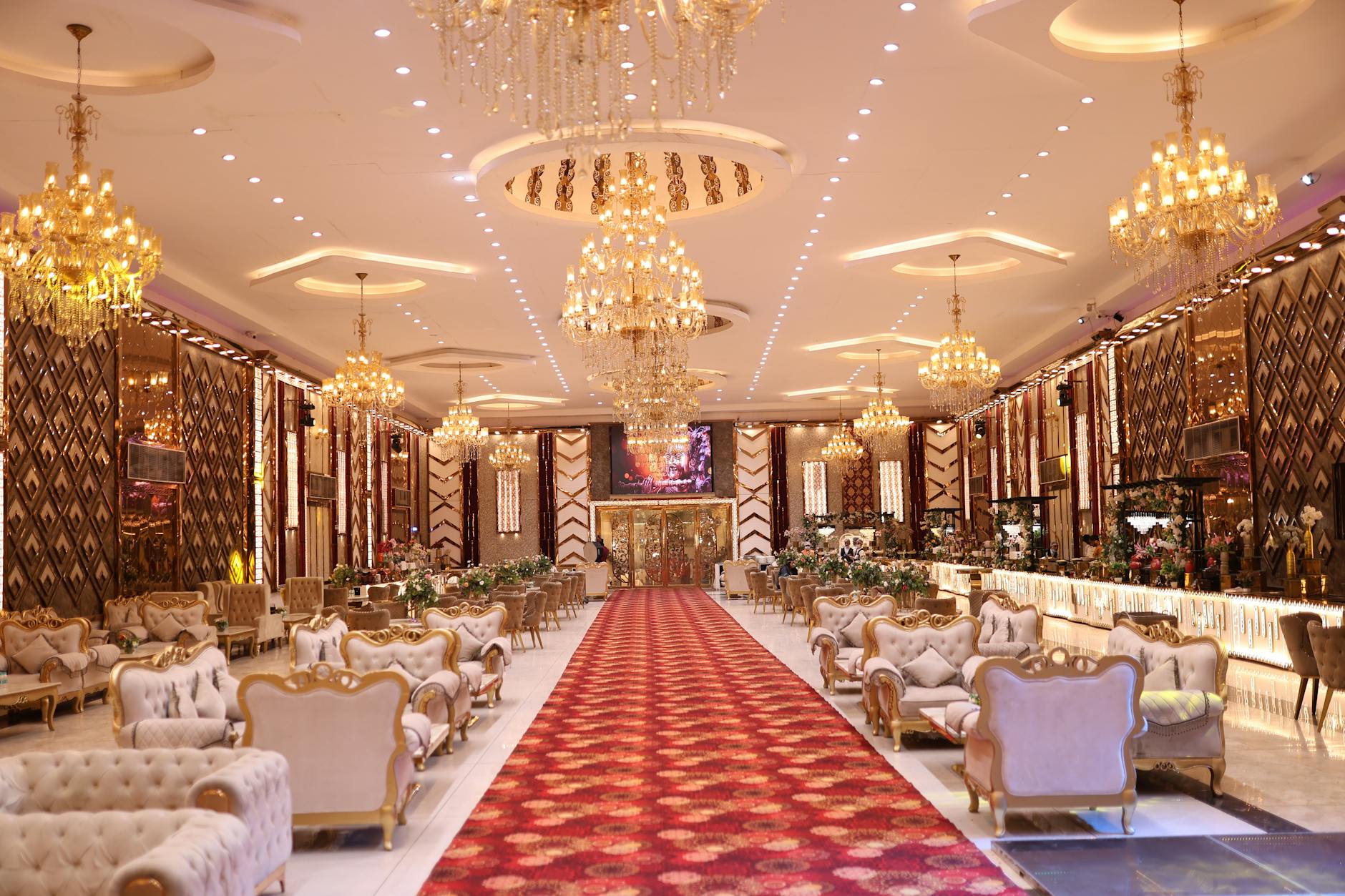
From Romance to Revenues: The Corporate Transformation
The transformation isn’t as dramatic as it might seem. Many wedding venues already possess the essential elements corporate clients seek: professional presentation spaces, high-speed internet, catering capabilities, and parking. The key lies in repositioning these amenities for business use.
Sarah Chen, owner of Meadowbrook Estate in Virginia, made the transition three years ago after a particularly slow winter. “We realized we had this beautiful 5,000-square-foot ballroom sitting empty for months,” she explains. “By adding projectors, upgrading our WiFi, and creating breakout spaces with moveable partitions, we transformed dead space into profit centers.”
The venue now hosts quarterly planning sessions for tech startups, leadership retreats for nonprofit organizations, and training seminars for insurance companies. Chen reports that corporate bookings have increased her annual revenue by 45%, with many clients booking multiple events throughout the year.
This trend mirrors what we’re seeing across various small business sectors. Local gyms are partnering with companies for employee wellness programs, demonstrating how businesses are finding creative ways to diversify their revenue streams.
Meeting Corporate Needs: Infrastructure and Amenities
Successful venue owners understand that corporate clients have different requirements than wedding parties. Technology infrastructure tops the priority list. Reliable high-speed internet, multiple power outlets, and professional audio-visual equipment are non-negotiable for most corporate bookings.
Tom Rodriguez, who owns Riverside Manor in Oregon, invested $25,000 in technology upgrades after losing his first corporate client due to poor WiFi. “They needed to live-stream their presentation to remote team members, and our connection couldn’t handle it,” he recalls. “That expensive lesson taught me that corporate clients won’t compromise on connectivity.”
Beyond technology, successful venues are adapting their spaces for business functionality. This includes:
- Installing whiteboards and flip charts in meeting rooms
- Creating quiet phone booth areas for private calls
- Offering ergonomic seating options for long sessions
- Providing business center services like printing and scanning
- Establishing partnerships with local transportation companies
The catering approach also requires adjustment. While wedding menus focus on celebration dining, corporate clients need working meals that don’t interfere with productivity. This means grab-and-go breakfast options, working lunches that can be eaten during presentations, and healthy snack stations throughout the day.
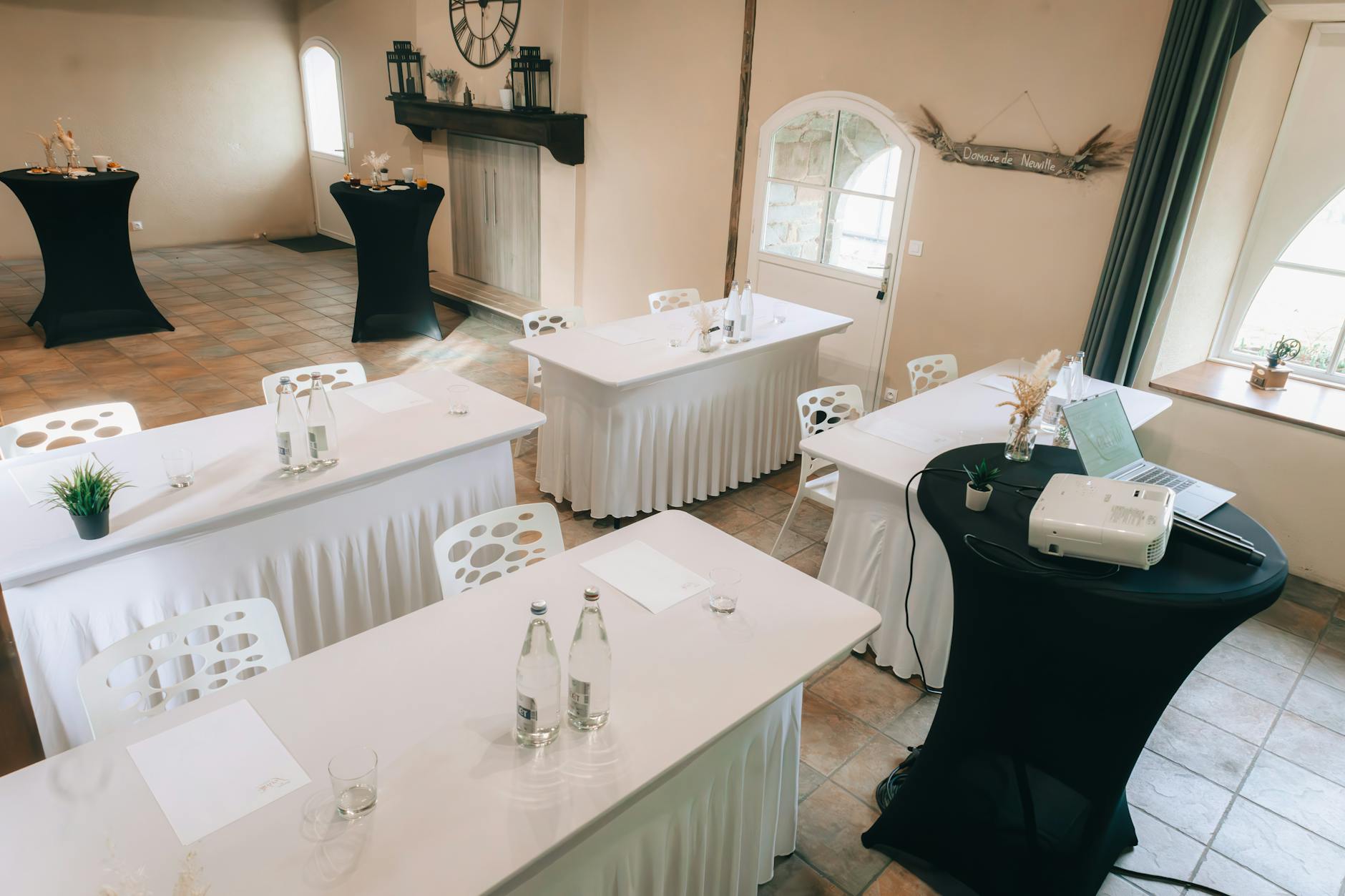
Marketing to Corporate Clients: A Different Approach
Reaching corporate decision-makers requires a completely different marketing strategy than attracting engaged couples. Wedding venues traditionally rely on bridal shows, wedding websites, and word-of-mouth referrals. Corporate clients, however, are found through LinkedIn networking, chamber of commerce events, and direct outreach to HR departments.
Many venue owners are discovering success through partnerships with corporate event planners and hotel concierges who regularly field requests for unique meeting spaces. Others are leveraging their existing corporate connections – wedding vendors often work with businesses that might need retreat spaces.
Lisa Thompson, who manages Pine Valley Lodge in Colorado, built her corporate client base by hosting complimentary networking events for local business leaders. “We invited CEOs and HR managers to evening wine tastings in our venue,” she explains. “They got to see our space in action while building relationships with each other. Six months later, half of them had booked corporate events with us.”
The pricing strategy also differs significantly. While wedding packages are typically priced per person for a single event, corporate retreats often involve multi-day bookings with various service levels. Successful venues are creating tiered packages that include different combinations of meeting spaces, meals, accommodation, and team-building activities.
Overcoming Challenges and Maximizing Success
The transition isn’t without obstacles. Venue owners must navigate different liability concerns, as corporate events may involve team-building activities that create additional risk exposure. Insurance policies often need adjustment to cover these new use cases.
Staffing presents another challenge. Wedding service requires expertise in romantic ambiance and celebration management. Corporate events demand business-focused professionalism and technical troubleshooting skills. Many venue owners are investing in staff training or hiring additional team members with corporate event experience.
Scheduling can become complex when juggling both markets. Some venues designate specific seasons for each type of event – weddings during traditional season, corporate retreats during off-season. Others block certain days of the week for corporate use, reserving weekends for weddings.

Despite these challenges, the financial benefits are compelling. Corporate clients often book with less lead time than weddings, providing opportunities to fill last-minute cancellations. They also tend to have less stringent vendor restrictions, allowing venues to use preferred suppliers and potentially increase profit margins.
The future looks bright for venues embracing this dual approach. As remote work continues reshaping corporate culture, companies are investing more in bringing distributed teams together for in-person experiences. Unique, non-hotel venues that offer both professional facilities and memorable settings are perfectly positioned to capture this growing market.
Venue owners considering this expansion should start small – perhaps converting one space for corporate use while maintaining their wedding focus. Success in the corporate market requires the same attention to detail and customer service that makes wedding venues successful, just applied to different client needs. Those who master both markets position themselves for year-round profitability and sustainable growth in an increasingly competitive landscape.
Frequently Asked Questions
How much can wedding venues increase revenue with corporate retreats?
Venue owners report corporate bookings account for 30-40% of annual revenue, with some seeing 45% increases after making the transition.
What infrastructure changes do wedding venues need for corporate clients?
Key upgrades include high-speed internet, professional AV equipment, ergonomic seating, whiteboards, and quiet phone areas for business calls.