





Package deliveries arrive at Coin-Op Laundry on Main Street throughout the day, but owner Maria Santos isn’t running a shipping business. She’s turned her laundromat into a neighborhood package hub, earning an extra $2,000 monthly while solving a common customer problem: missed deliveries.
This dual-purpose model is spreading across small towns and urban neighborhoods as laundromat owners discover that their extended hours, central locations, and existing foot traffic make them ideal package collection points. While customers wash and dry their clothes, they can also pick up packages that arrived during work hours.
The concept addresses a growing challenge in package delivery. With more people ordering online but fewer staying home for deliveries, businesses like laundromats are stepping in to bridge the gap. For small business owners already operating on tight margins, package services provide a steady revenue stream with minimal overhead.
Transforming Dead Time Into Revenue
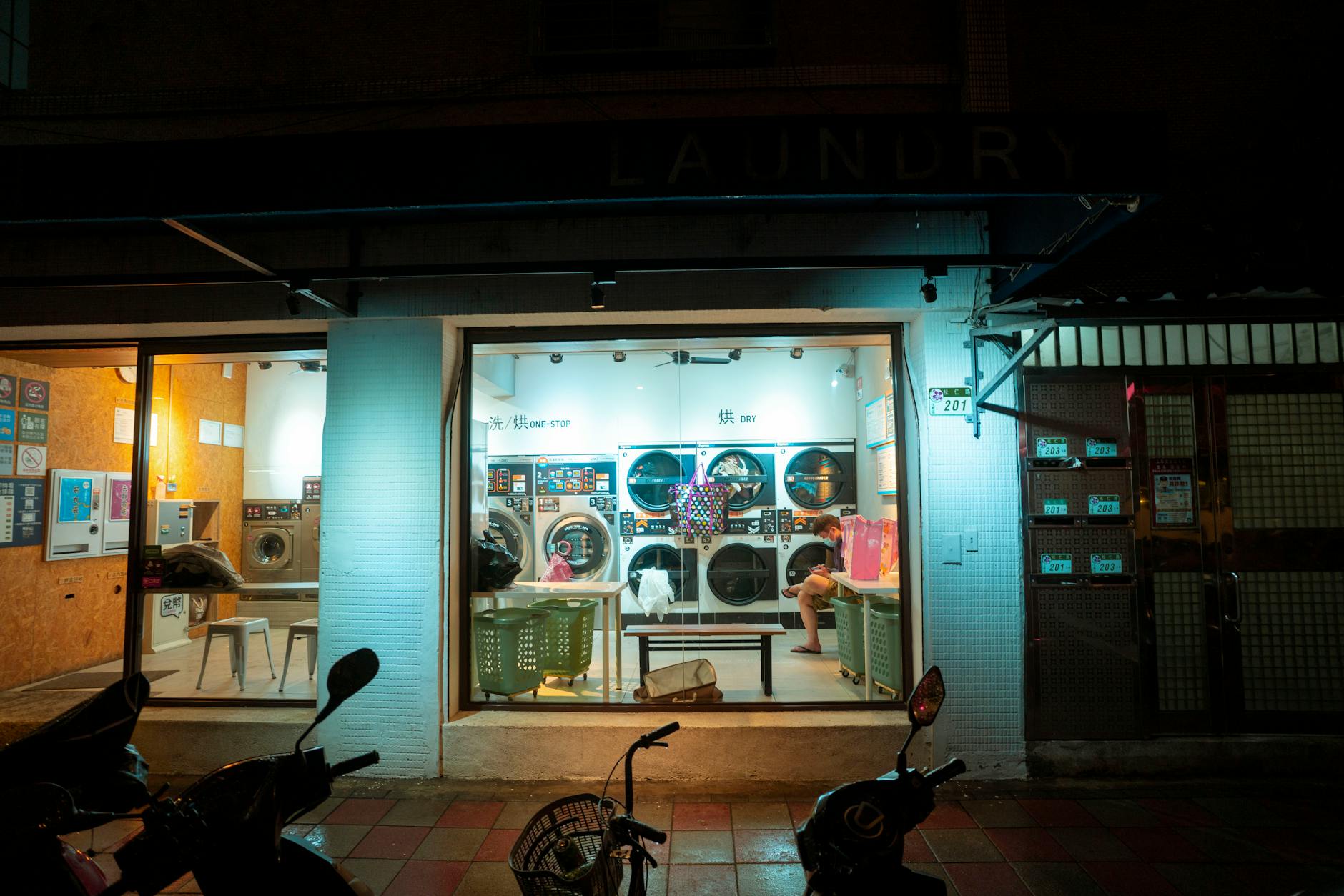
Traditional laundromats face significant challenges. Equipment costs are high, utility bills substantial, and customer visits are infrequent. The average customer visits twice monthly for 90 minutes each time, leaving substantial periods when machines sit idle and foot traffic drops.
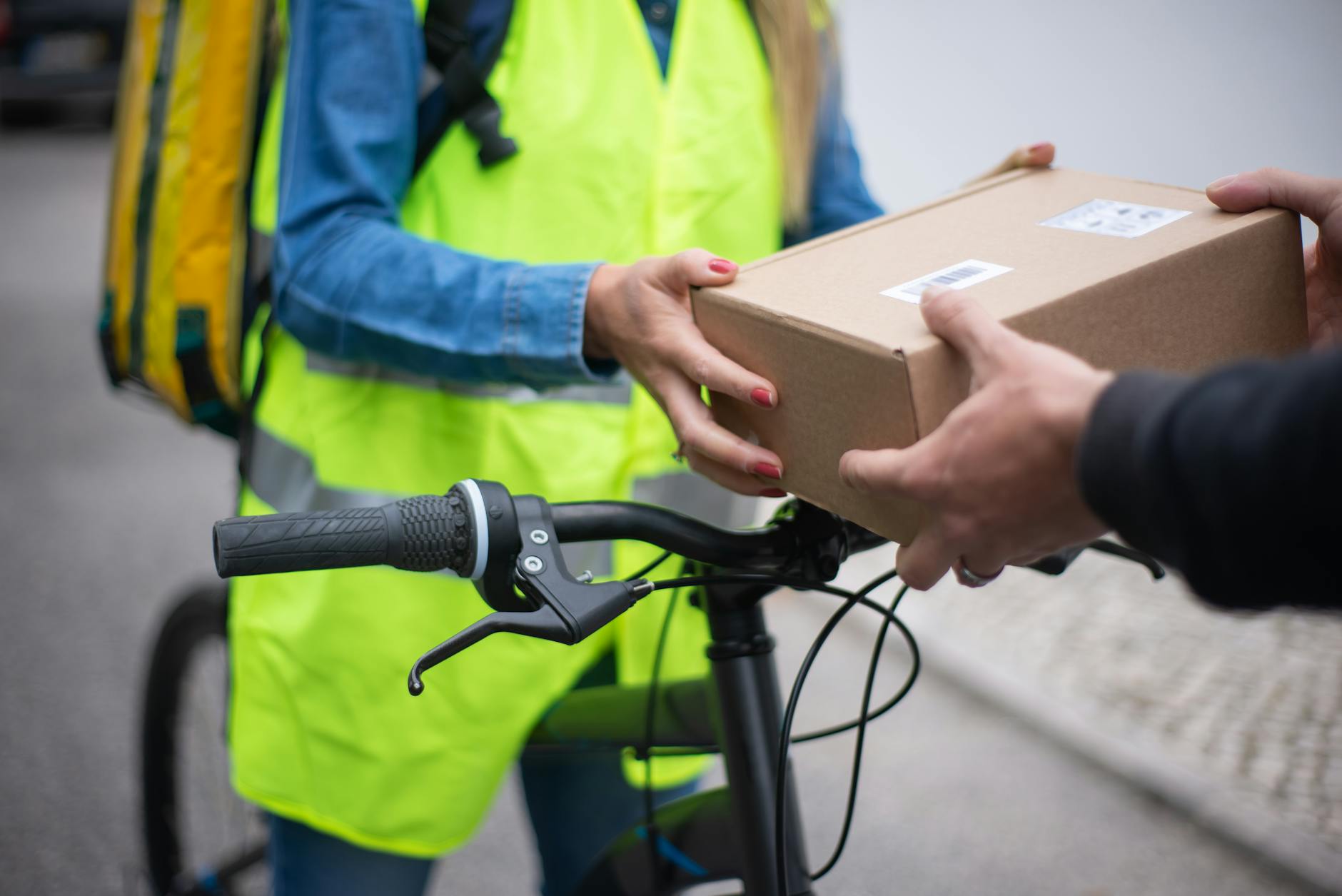
Package delivery services change this dynamic. Companies like Amazon Hub, FedEx, and UPS offer partnership programs where local businesses receive packages during regular hours. Customers receive notifications when packages arrive and collect them at their convenience.
The financial model works for both sides. Laundromat owners typically earn between $0.50 to $2.00 per package, depending on size and service provider. With average locations processing 50-150 packages weekly, monthly revenue ranges from $100 to $1,200. High-traffic urban locations can process significantly more.
Beyond direct payment, package services drive additional foot traffic. Customers picking up packages often start loads of laundry, purchase detergent, or use other services. This cross-selling opportunity can double the revenue impact.
Operational Advantages of the Laundromat Model
Laundromats possess several advantages over traditional package pickup locations. Their extended hours typically match or exceed post office schedules, often staying open until 10 PM or operating 24 hours. This accessibility appeals to working customers who cannot visit during standard business hours.
Space utilization is another benefit. Most laundromats have unused areas where package storage systems integrate seamlessly. Automated lockers, staffed counters, or simple shelf systems can accommodate various package sizes without disrupting laundry operations.
Security infrastructure already exists in most modern laundromats. Surveillance cameras, adequate lighting, and regular customer presence create a secure environment for package storage. Insurance coverage for business operations typically extends to package handling services with minor policy adjustments.
Staff requirements remain minimal. Attendants already present during peak hours can manage package intake and distribution. Automated systems reduce labor needs further, with customers using codes or apps to access their packages directly.
Building Customer Loyalty Through Convenience
Package services create stickier customer relationships. Regular laundry customers appreciate the added convenience, reducing their likelihood to switch to competitors. New customers discover the laundromat through package pickups, potentially converting to regular laundry users.
The psychological impact proves significant. Customers associate the laundromat with solving multiple problems efficiently. This perception enhances the business’s value proposition beyond simple laundry services.
Customer data from package services provides valuable insights. Understanding pickup patterns, frequency, and demographics helps owners optimize hours, staffing, and additional services. Some laundromats use this data to introduce complementary services like dry cleaning pickup or grocery delivery partnerships.
Community positioning improves as laundromats become neighborhood hubs. Customers view them as essential services rather than occasional necessities. This perception can influence local zoning decisions, lease negotiations, and community support during challenging periods.
Scaling Beyond Basic Package Pickup
Successful laundromat owners are expanding beyond simple package collection. Some partner with local restaurants for meal kit storage, allowing customers to collect dinner ingredients while washing clothes. Others offer refrigerated lockers for grocery or meal delivery services.
Technology integration enhances efficiency. Mobile apps notify customers of package arrivals and laundry cycle completion simultaneously. Digital payment systems handle both services through single transactions. Some locations install package lockers that operate independently, generating revenue even during unstaffed hours.
The model is inspiring similar diversification strategies across small businesses. Local gyms are generating revenue through corporate mental health partnerships, demonstrating how traditional service businesses can expand their offerings strategically.
Franchise opportunities are emerging as successful operators share their systems. Package delivery partnerships are becoming standard features in new laundromat developments, with real estate developers specifically seeking locations that support both services effectively.

Future of Multi-Service Neighborhood Hubs
The laundromat-package hub model represents broader trends in small business adaptation. As e-commerce continues growing and urban density increases, businesses that solve multiple customer problems simultaneously gain competitive advantages.
Technology will further streamline operations. Artificial intelligence can optimize package storage allocation, predict busy periods, and suggest additional services based on customer patterns. Integration with smart home devices could automate laundry and package pickup coordination.
The success of this model suggests that other service businesses will adopt similar strategies. Auto service centers, hair salons, and medical offices are exploring how package services could enhance their operations and revenue streams.
For aspiring entrepreneurs, the combined laundromat-package hub model offers a tested pathway to sustainable small business ownership. With proven revenue streams, established vendor relationships, and growing customer demand, it represents a modern approach to traditional neighborhood service businesses.
The transformation of laundromats into multi-service hubs demonstrates how small businesses can thrive by solving multiple customer problems efficiently. As package delivery volume continues growing and customers seek greater convenience, this model will likely expand across diverse business types and geographic markets.
Frequently Asked Questions
How much can laundromats earn from package delivery services?
Laundromats typically earn $100-1,200 monthly from package services, with high-traffic locations potentially earning more.
What companies offer package delivery partnerships with laundromats?
Amazon Hub, FedEx, UPS, and other carriers offer partnership programs for local businesses to serve as package pickup points.