




Coffee shops nationwide are transforming idle morning hours into profitable workspace hubs, selling day passes that turn caffeine customers into productive tenants. This revenue diversification strategy has helped local establishments increase daily earnings by 25-40% while building stronger community connections.
The coworking day pass model addresses two pressing challenges: coffee shops need consistent revenue beyond peak breakfast and lunch rushes, while remote workers seek affordable alternatives to expensive coworking chains. Independent coffee shop owners report that workspace customers typically spend 4-6 hours on-site, purchasing multiple beverages and food items throughout their stay.
From Coffee Counter to Office Space
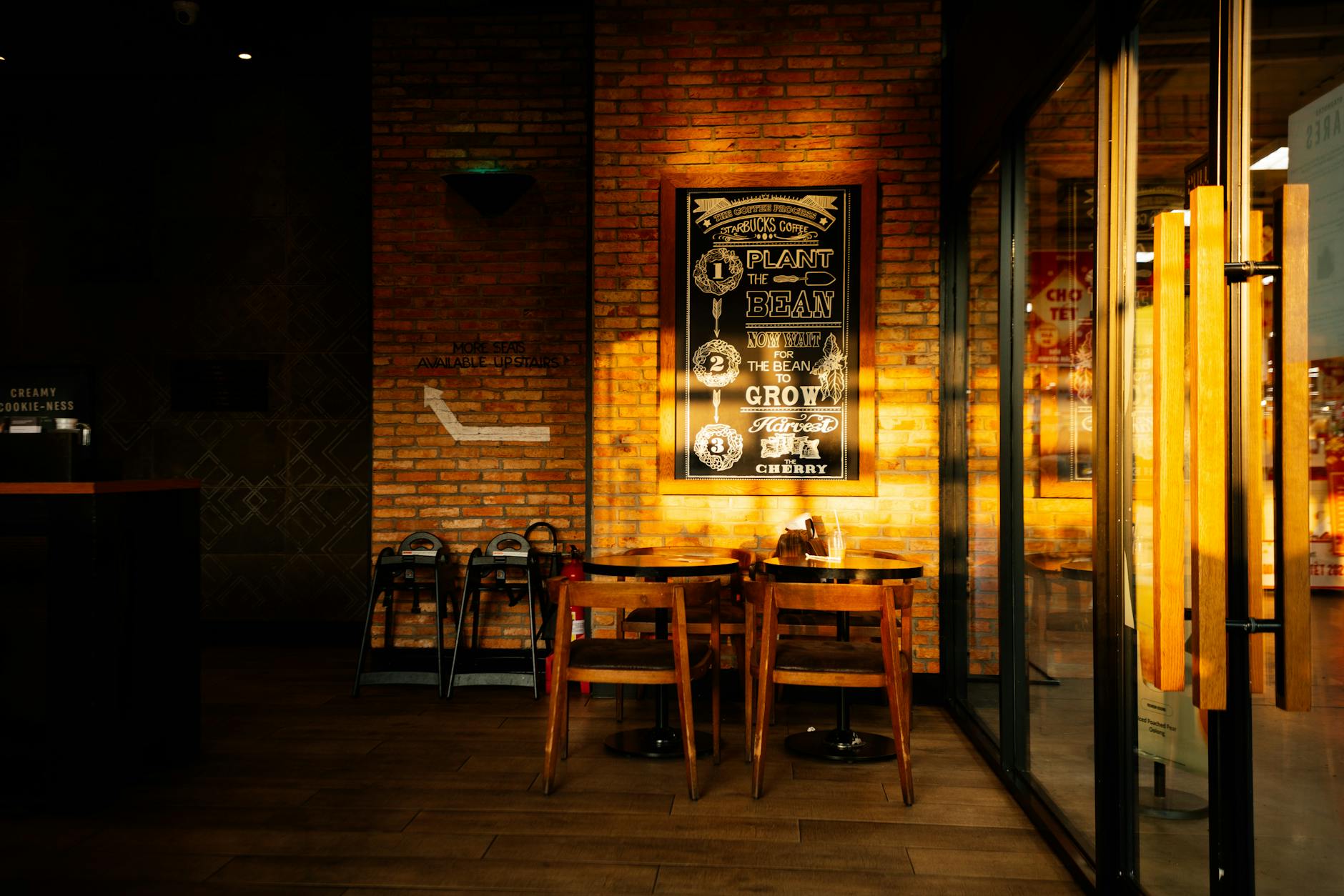
The transition from traditional coffee service to hybrid workspace requires strategic planning and minimal infrastructure investment. Successful coffee shops focus on creating distinct zones within existing layouts – maintaining casual seating for traditional customers while designating quieter areas with reliable power outlets and stronger WiFi for day pass holders.
Blue Bottle Coffee locations in San Francisco pioneered this approach in 2019, offering “Focus Zones” during off-peak hours. The concept spread rapidly as independent shops discovered they could implement similar programs without major renovations. Key modifications include installing additional power strips, upgrading internet bandwidth, and establishing quiet hours policies.
Day pass pricing varies significantly by market and amenities offered. Urban locations typically charge $15-25 for eight-hour access, while suburban shops price passes at $8-15. Premium offerings include reserved seating, locker access, and unlimited drip coffee refills. Some establishments partner with local print shops to offer basic business services like copying and scanning.
Building Community Through Workspace Culture
Regular day pass customers often become the coffee shop’s most loyal advocates, creating a stable revenue base that extends beyond workspace fees. These customers typically purchase lunch items, afternoon snacks, and additional beverages throughout their stay, generating significantly higher per-customer revenue than traditional coffee drinkers.
Coffee shops report that workspace customers frequently host client meetings on-site, bringing additional foot traffic and sales. The informal meeting atmosphere appeals to freelancers, consultants, and small business owners who need professional settings without corporate overhead costs. This mirrors how local libraries have embraced coworking memberships to diversify their community value proposition.
Successful programs establish clear guidelines about workspace etiquette, including time limits during busy periods, noise levels, and table sharing expectations. Many shops create member communities through private social media groups or email lists, sharing local business networking opportunities and exclusive events.

Technology and Operational Considerations
Implementing day pass programs requires upgraded technology infrastructure and modified operational procedures. Most coffee shops invest in commercial-grade WiFi systems capable of supporting 15-25 simultaneous users without performance degradation. Point-of-sale systems need programming for day pass products, often including automatic time tracking and renewal notifications.
Staff training becomes crucial as employees balance traditional coffee service with workspace customer needs. Successful shops designate specific team members as “workspace hosts” who handle day pass check-ins, resolve technical issues, and maintain quiet zone boundaries during peak productivity hours.
Revenue tracking systems help owners optimize pricing and capacity management. Popular analytics include peak usage hours, average customer spend per visit, and retention rates among day pass holders. This data informs decisions about expanding workspace areas or adjusting pricing tiers.
Some coffee shops integrate with coworking apps like Croissant or Day Use, gaining access to broader customer bases while paying platform fees. Others develop proprietary membership systems using tools like Square or Shopify, maintaining direct customer relationships and higher profit margins.
Scaling Success and Future Growth
Coffee shops that successfully launch day pass programs often expand offerings based on customer feedback and usage patterns. Popular additions include evening networking events, weekend workshops, and partnerships with local business organizations. Some establishments reserve morning hours for day pass holders, guaranteeing productive workspace before casual customers arrive.
The model’s success has inspired similar adaptations across various local businesses. Furniture stores offering design consultations represent another example of service businesses diversifying revenue through complementary offerings that leverage existing space and expertise.

Regional coffee chains are beginning to standardize coworking programs across multiple locations, creating membership networks that allow customers to access workspace at any participating shop. This approach competes directly with national coworking brands while supporting local business ecosystems.
The coworking day pass trend reflects broader shifts toward flexible work arrangements and community-centered business models. As remote work becomes permanently embedded in professional culture, coffee shops positioned as neighborhood productivity hubs are well-placed to capture growing demand for affordable, accessible workspace alternatives. Smart owners who embrace this evolution today are building sustainable revenue streams that strengthen their businesses against future market uncertainties.
Frequently Asked Questions
How much do coffee shop day passes typically cost?
Urban locations charge $15-25 for eight hours, while suburban shops typically price passes at $8-15 depending on amenities offered.
What infrastructure changes do coffee shops need for coworking?
Most shops upgrade WiFi, add power outlets, and create designated quiet zones without major renovations.