





While Starbucks dominates with over 38,000 locations worldwide, a growing network of regional coffee chains is carving out significant market share by betting on something the Seattle giant can’t easily replicate: genuine community connection. From Portland’s case study-worthy Stumptown Coffee to Philadelphia’s beloved La Colombe, these local powerhouses are proving that intimate neighborhood relationships can compete with global convenience.
The coffee industry generates over $100 billion annually in the United States, yet independent and regional chains now capture nearly 35% of specialty coffee sales. This shift represents more than consumer preference-it’s a fundamental change in how coffee businesses build lasting value through community-centered growth strategies.

The Community-First Expansion Philosophy
Regional coffee chains succeed by treating each new location as a neighborhood gathering place rather than just another revenue stream. Blue Bottle Coffee, which started in Oakland farmers markets, built its expansion around what founder James Freeman called “slow coffee culture”-emphasizing craft, local sourcing, and barista relationships over speed and standardization.
This approach creates immediate differentiation from corporate chains. At Portland’s Coava Coffee Roasters, customers know their baristas’ names and coffee preferences. The company’s expansion from one location to seven across the Pacific Northwest happened through word-of-mouth recommendations and community engagement rather than aggressive market penetration.
Counter Culture Coffee demonstrates this model at scale. Based in Durham, North Carolina, the company operates training centers that teach sustainable farming practices to coffee growers while building relationships with local businesses in each expansion market. Their growth from regional roaster to national presence maintains community focus through partnerships with independent cafes and educational initiatives.
The financial benefits prove substantial. Regional chains report customer retention rates of 70-80%, significantly higher than the 40-50% typical for large corporate chains. Higher retention translates directly to increased lifetime customer value and reduced marketing costs for new customer acquisition.
Local Sourcing and Partnership Networks
Smart regional chains build expansion strategies around local supplier relationships that create competitive advantages difficult for larger corporations to replicate. Portland’s Nossa Familia Coffee sources directly from farms in Brazil while partnering with Oregon bakeries, creating supply chains that support local economies while reducing costs.
These partnerships extend beyond coffee beans. Chicago’s Intelligentsia Coffee works with local artisan bakers, nearby dairy farms, and regional food producers to create menu offerings unique to each market. This strategy builds customer loyalty while creating revenue streams that corporate chains struggle to match due to centralized procurement systems.
The model works particularly well in markets where consumers prioritize sustainability and local economic support. Austin’s Radio Coffee & Beer combines coffee service with live music venues and local beer partnerships, creating entertainment destinations that generate revenue beyond traditional cafe hours.
Regional chains also leverage local real estate relationships that corporate chains often miss. Independent developers and property owners frequently prefer working with local businesses that contribute to neighborhood character rather than national chains that standardize spaces. This preference provides access to prime locations at better lease terms.
Technology Integration Without Losing Personal Touch
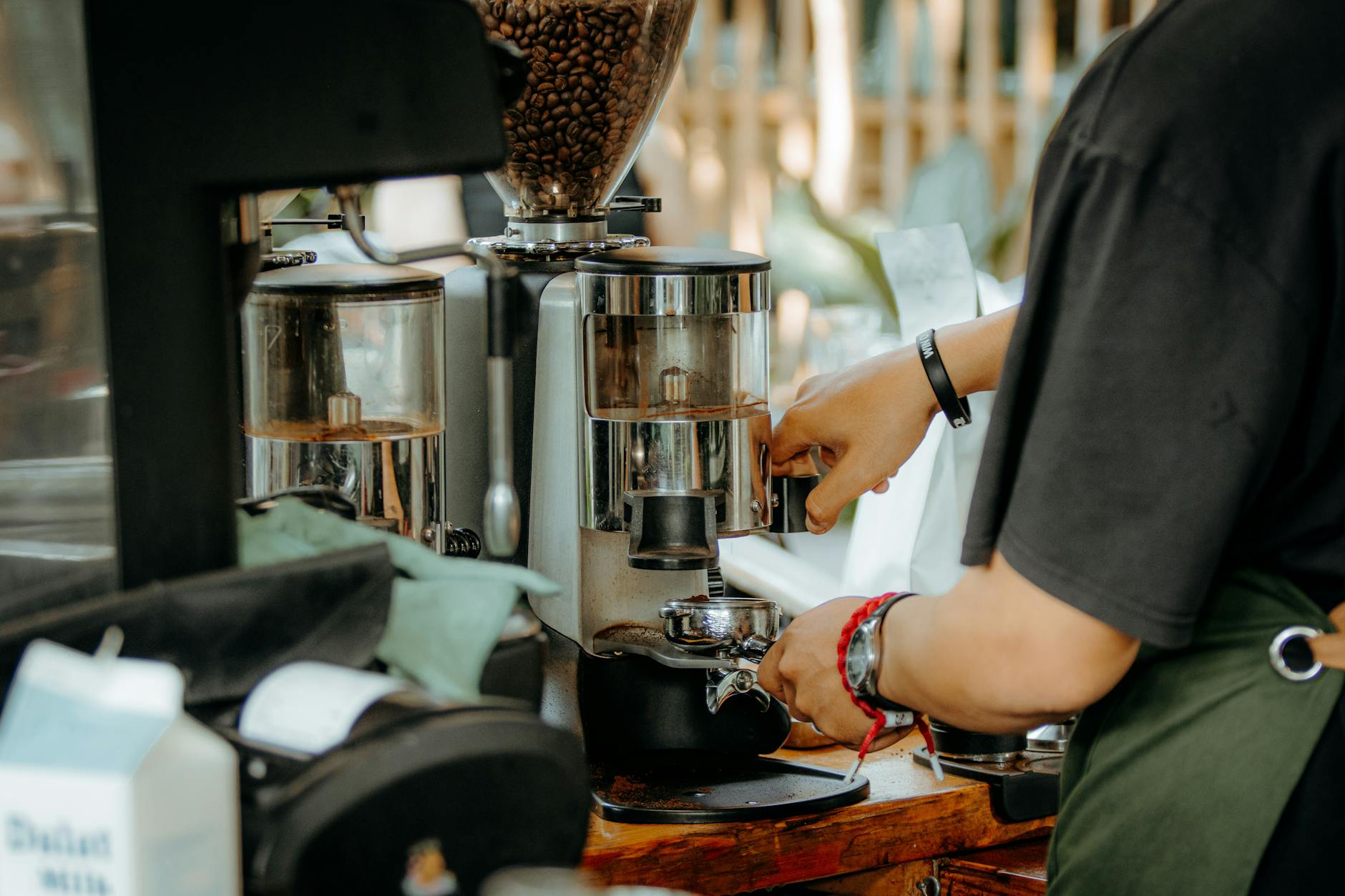
Successful regional chains adopt technology strategically to enhance rather than replace human connections. Denver’s Onefold Coffee uses mobile ordering and loyalty apps but maintains personal service as the primary customer experience. Their baristas remember regular customers’ orders despite digital convenience options.
This balanced approach proves crucial for competing with large chains’ technological advantages. While Starbucks invests billions in mobile payment systems and automated brewing equipment, regional chains focus on technology that supports community building rather than replacing it.
Social media becomes particularly powerful for local chains. Seattle’s Victrola Coffee Roasters built substantial Instagram followings by showcasing local artists, community events, and behind-the-scenes roasting processes. This content strategy creates emotional connections that drive customer loyalty and word-of-mouth marketing.
Point-of-sale systems designed for independent businesses now offer sophisticated analytics previously available only to large corporations. Regional chains use this data to optimize inventory, track customer preferences, and identify expansion opportunities while maintaining personal service standards.
The key difference lies in implementation philosophy. Corporate chains use technology primarily for efficiency and cost reduction, while successful regional chains deploy technology to deepen community relationships and enhance the craft coffee experience.
Financial Models That Scale Differently
Regional coffee chains build expansion models around higher per-customer revenue rather than maximum location density. The average regional chain location generates revenue per square foot that often exceeds Starbucks locations due to premium pricing, higher customer loyalty, and extended dwell times.
This approach creates sustainable unit economics that support thoughtful expansion. Instead of opening multiple locations in single markets quickly, successful regional chains focus on perfecting each location’s community integration before expanding further. The strategy reduces cannibalization while building stronger market positions.
Franchise models work particularly well for regional chains targeting controlled expansion. Minneapolis-based Peace Coffee uses a hybrid approach, combining company-owned flagship locations with carefully selected franchise partners who understand local community needs. This model provides growth capital while maintaining quality standards and community focus.
Private equity and venture capital increasingly recognize the value proposition. Regional chains attract investment based on customer loyalty metrics, brand differentiation, and market expansion potential rather than simply location count or same-store sales growth patterns typical for corporate chain evaluations.
Like food truck operators who succeed through community connections and local relationships, regional coffee chains prove that authentic engagement with local markets creates competitive advantages that corporate efficiency alone cannot match.

The future of coffee retail increasingly favors businesses that understand community building as a core competency rather than marketing afterthought. Regional chains demonstrate that sustainable expansion happens through genuine local engagement, strategic technology adoption, and financial models that prioritize customer relationships over location density. As commercial real estate costs continue rising and consumer preferences shift toward authentic local experiences, expect more regional coffee chains to challenge corporate dominance through community-focused growth strategies that create lasting competitive advantages in an increasingly crowded market.
Frequently Asked Questions
How do local coffee chains compete with Starbucks?
Regional chains focus on community connections, local partnerships, and personalized service rather than standardization and convenience.
What makes regional coffee chain expansion successful?
Success comes from treating each location as a neighborhood gathering place with local sourcing, community engagement, and strategic technology use.