





The craft beer industry has discovered an untapped revenue stream that turns customers into students while pouring profits into the bottom line. Beer education classes – ranging from brewing workshops to tasting seminars – are transforming local breweries from simple taprooms into learning destinations.
These educational programs generate additional income while building deeper customer relationships and establishing breweries as community hubs. With profit margins on classes often exceeding traditional beer sales, forward-thinking brewery owners are investing in curriculum development and instructor training to capture this growing market.
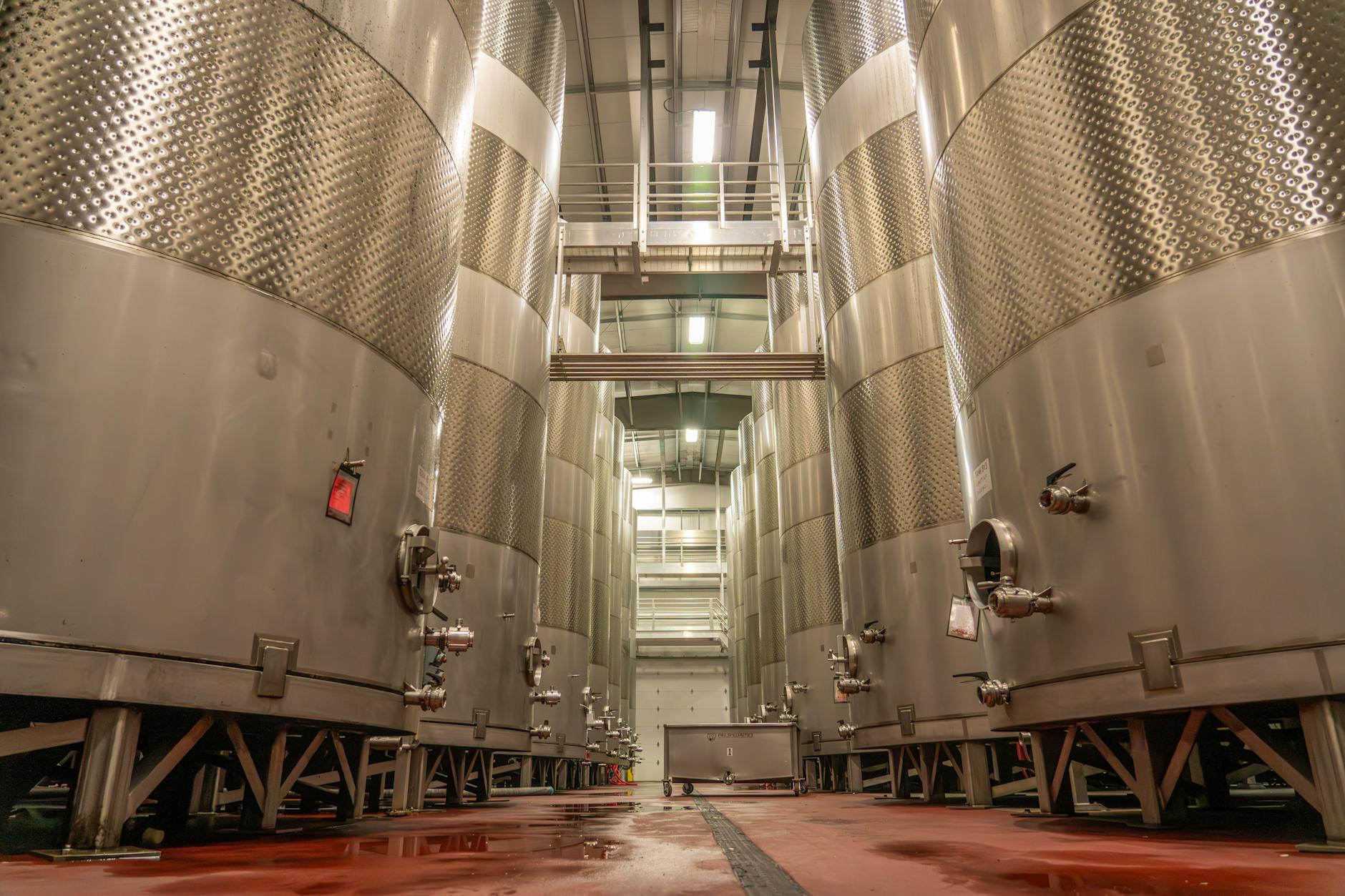
The Economics of Beer Education
Beer education classes typically command premium pricing compared to regular brewery visits. A two-hour brewing workshop might charge $75-125 per participant, while advanced sommelier-style tastings can reach $150 or more. These price points reflect the specialized knowledge and hands-on experience participants receive.
The math works favorably for brewery owners. Unlike beer production, which requires ongoing ingredient costs and significant equipment maintenance, educational programs generate high margins once initial curriculum development is complete. A single instructor can teach groups of 15-20 people, creating scalable revenue opportunities.
Many breweries report that education participants become regular customers, increasing lifetime customer value beyond the initial class fee. Students often return with friends and family, extending the revenue impact through word-of-mouth marketing that traditional advertising cannot match.
Popular Class Formats Driving Revenue
Brewing workshops represent the most common educational offering, teaching participants the fundamentals of grain selection, mashing, boiling, and fermentation. These hands-on sessions often span multiple weeks, with participants returning to monitor their batch’s progress and bottle the finished product.
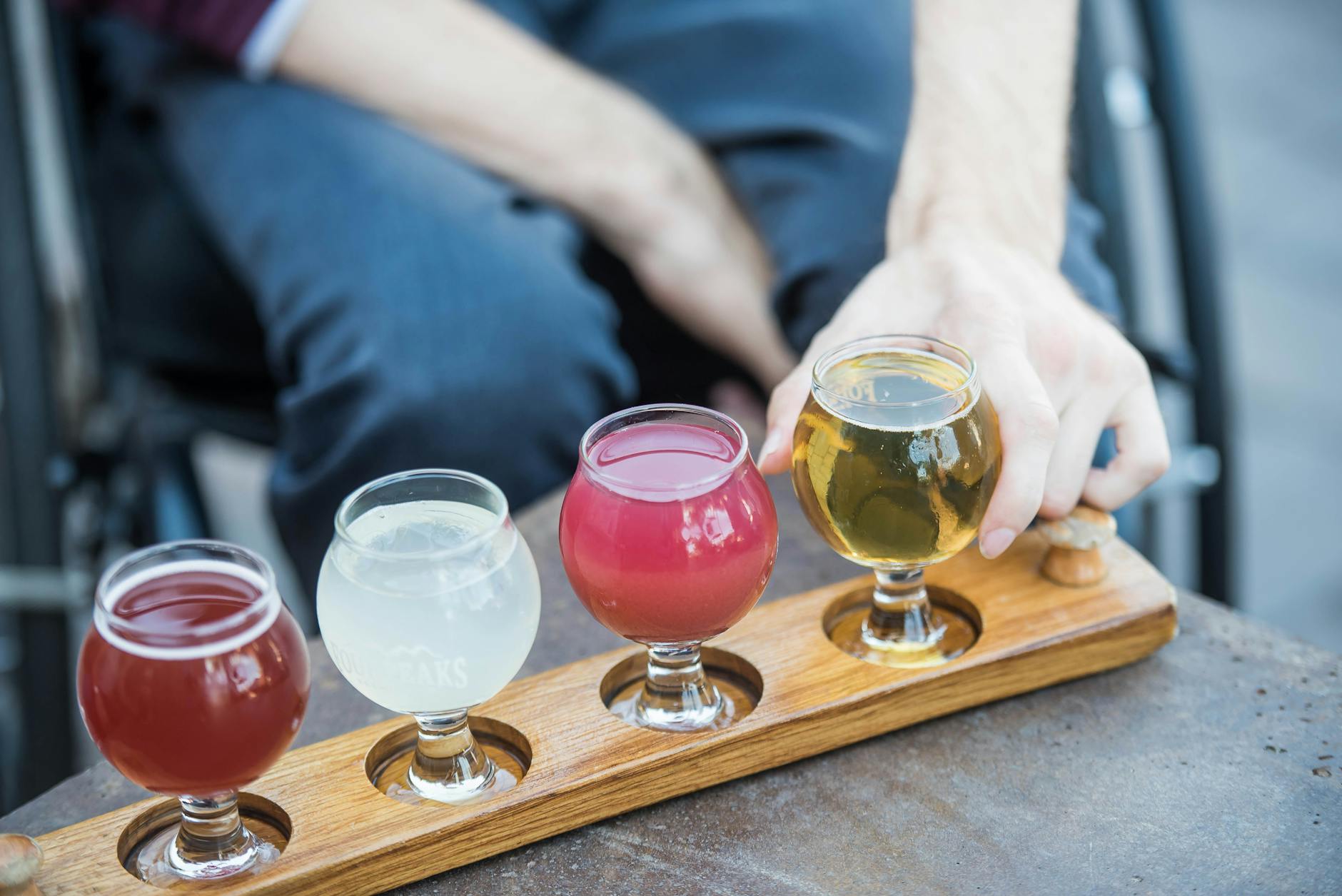
Tasting classes focus on developing palate sophistication, covering topics like hop varieties, yeast strains, and food pairing principles. Advanced courses might explore historical beer styles or regional brewing traditions, attracting serious enthusiasts willing to pay premium prices for specialized knowledge.
Some breweries have expanded into business-oriented education, offering classes on starting a brewery, distribution strategies, or regulatory compliance. These B2B educational programs often command the highest fees while attracting aspiring entrepreneurs and industry professionals.
Corporate team-building workshops represent another lucrative category, combining beer education with group activities designed to strengthen workplace relationships. Companies pay premium rates for private group sessions, often including catered meals and customized brewing challenges.
Building Educational Infrastructure
Successful beer education programs require dedicated space and specialized equipment beyond standard brewery operations. Many establishments invest in classroom-style seating areas with proper lighting and audiovisual capabilities for presentations and demonstrations.
Ingredient libraries become essential teaching tools, allowing students to smell and taste individual components like different hop varieties or specialty malts. These sensory experiences create memorable learning moments that justify premium pricing while encouraging repeat enrollment.
Certification partnerships with recognized beer organizations add credibility to educational offerings while potentially qualifying participants for professional development credits. Some breweries have aligned their curricula with Cicerone or Beer Judge Certification Program standards, attracting serious students seeking industry recognition.
Similar to how local coffee shops generate revenue through coworking day passes, breweries are finding creative ways to monetize their space beyond core product sales.
Marketing and Customer Acquisition
Social media platforms serve as primary marketing channels for beer education programs, with breweries sharing behind-the-scenes brewing footage and graduate success stories to attract new students. Instagram and Facebook groups dedicated to craft beer education help breweries connect with potential participants nationwide.
Partnership marketing with local culinary schools, community colleges, and adult education centers expands reach while adding institutional credibility. These relationships often lead to recurring revenue through scheduled semester-based programs or continuing education partnerships.
Email marketing to existing customers proves highly effective for class promotion, as current brewery patrons already demonstrate interest in beer culture and quality. Loyalty program members often receive early access to popular classes or member-only educational events.

Challenges and Success Factors
Instructor quality determines program success more than facility quality or marketing budget. Knowledgeable, engaging teachers who can translate technical brewing concepts into accessible lessons command higher class fees and generate positive reviews that drive future enrollment.
Scheduling presents ongoing challenges, as most participants prefer evening and weekend classes that compete with peak taproom revenue hours. Successful breweries often designate specific days for education programs or invest in separate classroom spaces to avoid operational conflicts.
Insurance considerations become more complex when transitioning from serving customers to teaching them hands-on activities involving hot liquids and equipment operation. Many breweries work with specialized insurers familiar with educational programming risks.
The beer education trend reflects broader consumer interest in experiential spending over material purchases, particularly among millennials and Gen X demographics that form craft brewing’s core customer base. As competition intensifies in the craft beer market, educational programming provides differentiation opportunities that build lasting customer relationships while generating sustainable revenue streams.
Forward-thinking brewery owners are positioning education as a cornerstone of their business strategy, recognizing that teaching customers about their craft creates deeper appreciation and loyalty than traditional marketing approaches can achieve.
Frequently Asked Questions
How much do beer education classes typically cost?
Classes range from $75-125 for brewing workshops to $150+ for advanced tasting seminars, with corporate team-building commanding premium rates.
What equipment do breweries need for education programs?
Dedicated classroom space, audiovisual equipment, ingredient libraries for sensory experiences, and specialized insurance coverage for hands-on activities.