





The corner barbershop that once relied solely on haircuts and shaves now stocks shelves with premium pomades, beard oils, and grooming kits that customers eagerly purchase to maintain their look between visits. What started as a simple add-on revenue stream has transformed into a significant profit driver, with many independent barbershops reporting that retail sales now account for 30-40% of their total revenue.
The shift represents a fundamental change in how traditional barbershops operate. Shop owners discovered that the personal relationship they build with clients during services creates an ideal environment for product recommendations. Unlike online shopping or department store purchases, customers trust their barber’s expertise and see the products as essential tools for maintaining their professional appearance.
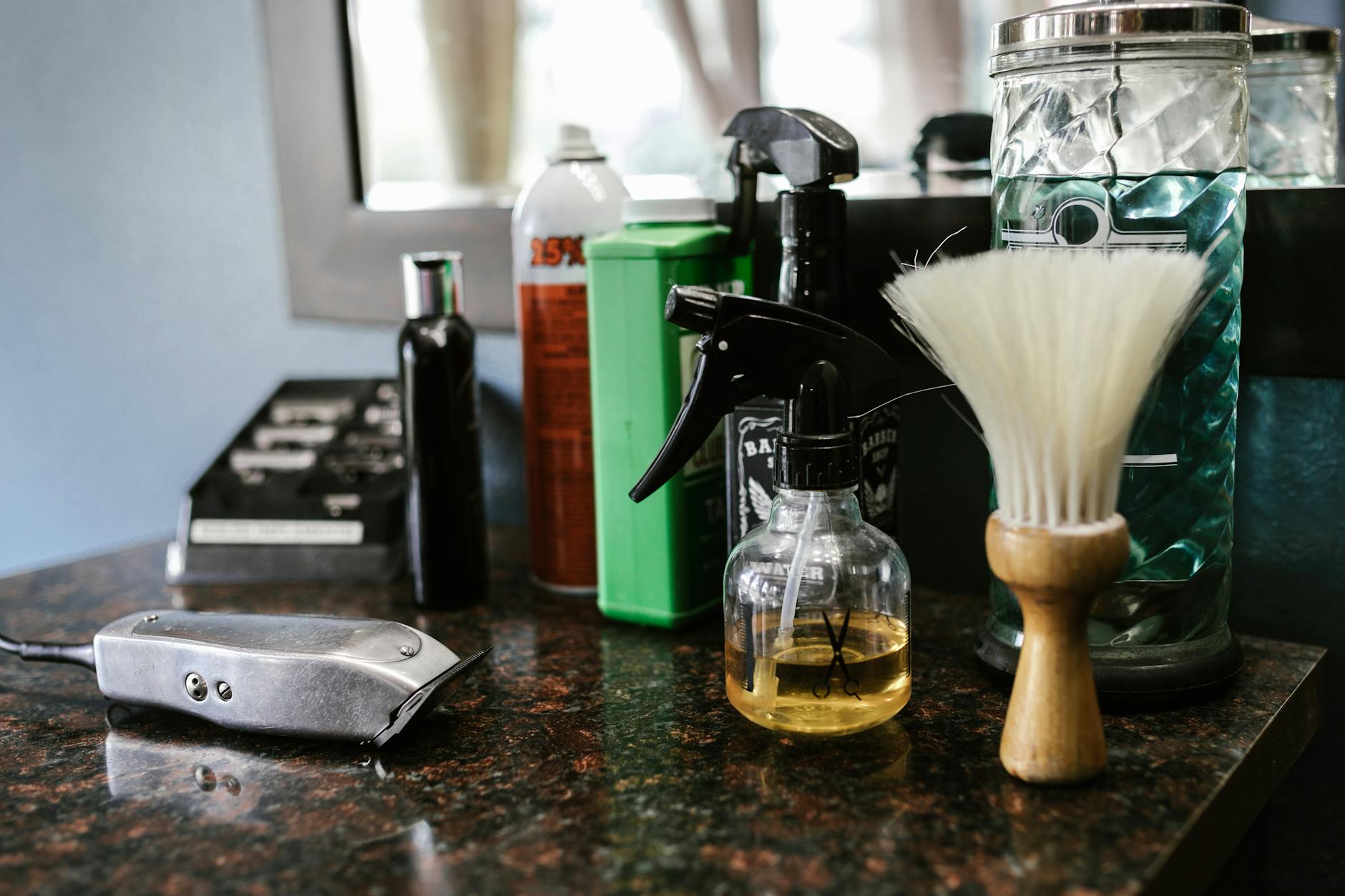
The Premium Product Strategy
Smart barbershop owners focus on curating high-quality products that complement their services rather than competing on price with mass retailers. They stock brands like Suavecito, Baxter of California, and American Crew – products that emphasize craftsmanship and quality over convenience.
The strategy works because barbershops can demonstrate products during services. When a barber applies a specific pomade during styling, clients experience the texture, scent, and hold firsthand. This tactile demonstration proves far more effective than reading online reviews or studying product labels.
Markup on grooming products typically ranges from 50-100%, significantly higher than the margins on services. A $15 wholesale beard oil retails for $25-30, generating substantial profit per square foot of retail space. The investment required is minimal – most shops start with $500-1000 in inventory and expand based on customer demand.
Product sales also create recurring revenue streams. Customers return every 4-6 weeks for grooming services, but they purchase products every 2-3 months, increasing visit frequency and transaction values. The convenience factor cannot be understated – customers appreciate purchasing quality products without making separate shopping trips.
Building Customer Education and Trust
Successful barbershops invest time in educating customers about product benefits rather than simply pushing sales. They explain how different pomades work for various hair types, demonstrate proper application techniques, and provide styling tips that clients can replicate at home.
This educational approach builds genuine trust. Customers view their barber as a grooming consultant rather than a salesperson. The relationship-based selling model proves particularly effective with male customers who often feel uncomfortable shopping for grooming products in traditional retail environments.
Many shops create product sampling programs, offering small portions of premium products for customers to try at home. This low-risk trial approach leads to higher conversion rates and reduces product returns. Some barbershops report that 60-70% of customers who sample products return to purchase full-size versions within a month.
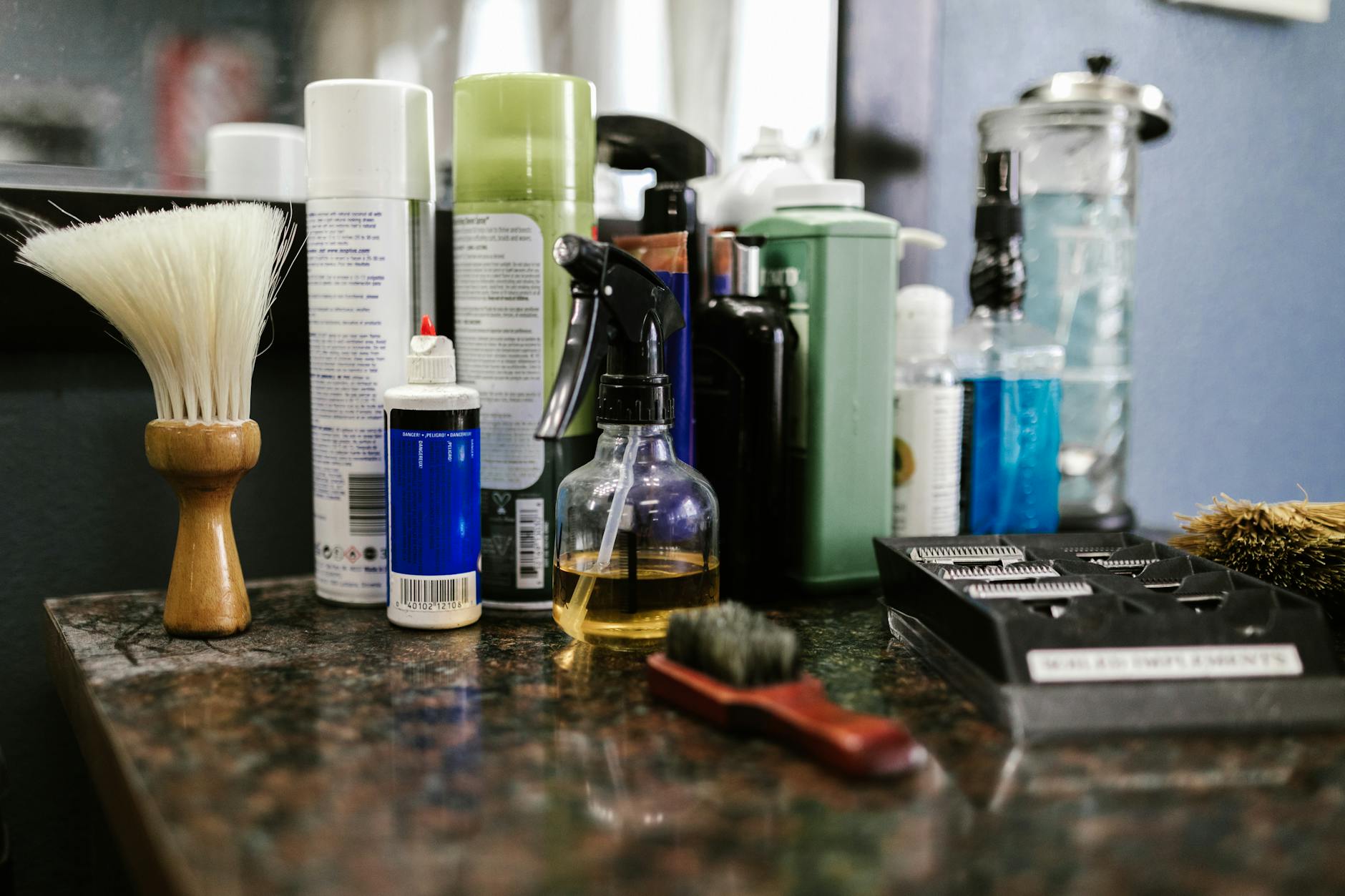
The personal service aspect extends to product selection. Barbers maintain detailed client profiles, noting hair type, styling preferences, and product usage patterns. This information enables personalized recommendations that feel valuable rather than pushy. Regular customers often call ahead to reserve specific products, demonstrating the loyalty this approach generates.
Seasonal Strategies and Special Promotions
Barbershops maximize product sales through strategic timing and promotions. Holiday seasons see increased demand for gift sets and premium products as customers purchase grooming kits for friends and family. Valentine’s Day, Father’s Day, and Christmas consistently drive higher retail sales.
Some shops create signature product bundles that combine complementary items at slight discounts. A typical “executive package” might include premium shampoo, styling cream, and cologne at a bundled price that saves customers money while increasing average transaction values.
Wedding season presents another opportunity. Grooms and wedding parties often purchase complete grooming systems to ensure consistent appearance for their special day. Progressive barbershops partner with local wedding planners and photographers to capture this seasonal business.
Limited edition and seasonal products create urgency and exclusivity. When shops receive small quantities of specialty items or seasonal scents, regular customers often purchase immediately rather than risk missing out. This scarcity marketing proves particularly effective in building product sales momentum.
Expanding Beyond Traditional Boundaries
The most successful barbershops view product sales as part of a broader lifestyle brand rather than simple add-on revenue. They stock items that appeal to their customer base’s broader interests – leather goods, cologne, grooming tools, and even apparel that reflects their shop’s aesthetic.
Some establishments partner with local manufacturers to create private-label products. A barbershop might work with a local soap maker to develop signature scents or collaborate with leather craftsmen to offer branded accessories. These exclusive products command higher margins and strengthen customer loyalty.
The expansion mirrors trends seen in other local service businesses. Just as Local Tutoring Centers Expand Into Corporate Employee Training Services and coffee shops diversify revenue streams, barbershops recognize that service-only models limit growth potential.
Digital integration plays an increasingly important role. Progressive shops maintain online catalogs that allow customers to reorder favorite products between visits. Some offer subscription services for frequently used items like beard oil or styling products, creating predictable monthly revenue streams.

The Future of Barbershop Retail
The trend toward retail integration in service businesses shows no signs of slowing. As traditional retail faces challenges from online shopping, service-based businesses that can demonstrate products and build personal relationships hold significant advantages.
Industry observers predict that successful barbershops will continue expanding their product offerings while maintaining focus on quality and customer education. The shops that thrive will be those that view retail not as a side business but as an integral part of their customer service strategy.
The transformation of neighborhood barbershops from pure service providers to lifestyle retailers demonstrates how traditional businesses can adapt and grow in changing markets. By leveraging existing customer relationships and expertise, these local businesses create new profit centers that benefit both owners and customers while strengthening community connections.
Frequently Asked Questions
How much can barbershops increase revenue through product sales?
Many barbershops report that retail sales now account for 30-40% of their total revenue, with product markups typically ranging from 50-100%.
What types of products sell best in barbershops?
Premium pomades, beard oils, styling creams, and grooming tools perform best, especially when barbers can demonstrate them during services.