





Auto repair shops across America are discovering that electric vehicle training isn’t just about staying current with technology-it’s becoming their most profitable investment. While traditional mechanics worry about losing business to EVs, forward-thinking shop owners are charging premium rates for specialized electric vehicle services that most competitors can’t provide.
The shift represents a fundamental change in the automotive service industry. Electric vehicles require different expertise, specialized tools, and safety certifications that create immediate barriers to entry. Smart shop owners recognize this gap as opportunity rather than threat.
Premium Pricing for Specialized Skills
Electric vehicle maintenance commands significantly higher labor rates than traditional automotive work. EV-certified technicians can charge between $150 to $200 per hour compared to standard automotive rates of $100 to $130 per hour. This premium reflects both the specialized knowledge required and the limited number of qualified providers.
The investment in EV training typically ranges from $5,000 to $15,000 per technician, covering certification programs, safety protocols, and specialized diagnostic equipment. Most shop owners report recouping this investment within six months through higher billable rates and increased customer demand.
Mike Rodriguez, owner of Rodriguez Auto in Phoenix, completed EV certification for three technicians last year. “We were booked solid for EV services within two months,” Rodriguez explains. “Tesla owners were driving across town because we were one of the few independent shops certified to work on their cars.”
The training covers high-voltage systems, battery diagnostics, electric motor maintenance, and critical safety procedures. Unlike traditional mechanical work, EV maintenance requires understanding of software systems, thermal management, and electrical components that can be dangerous without proper training.
Expanding Service Offerings Beyond Traditional Repair
EV-trained shops are discovering revenue streams that didn’t exist in traditional automotive service. Battery health assessments, charging system diagnostics, and software updates create recurring revenue opportunities that keep customers coming back more frequently than oil changes ever did.
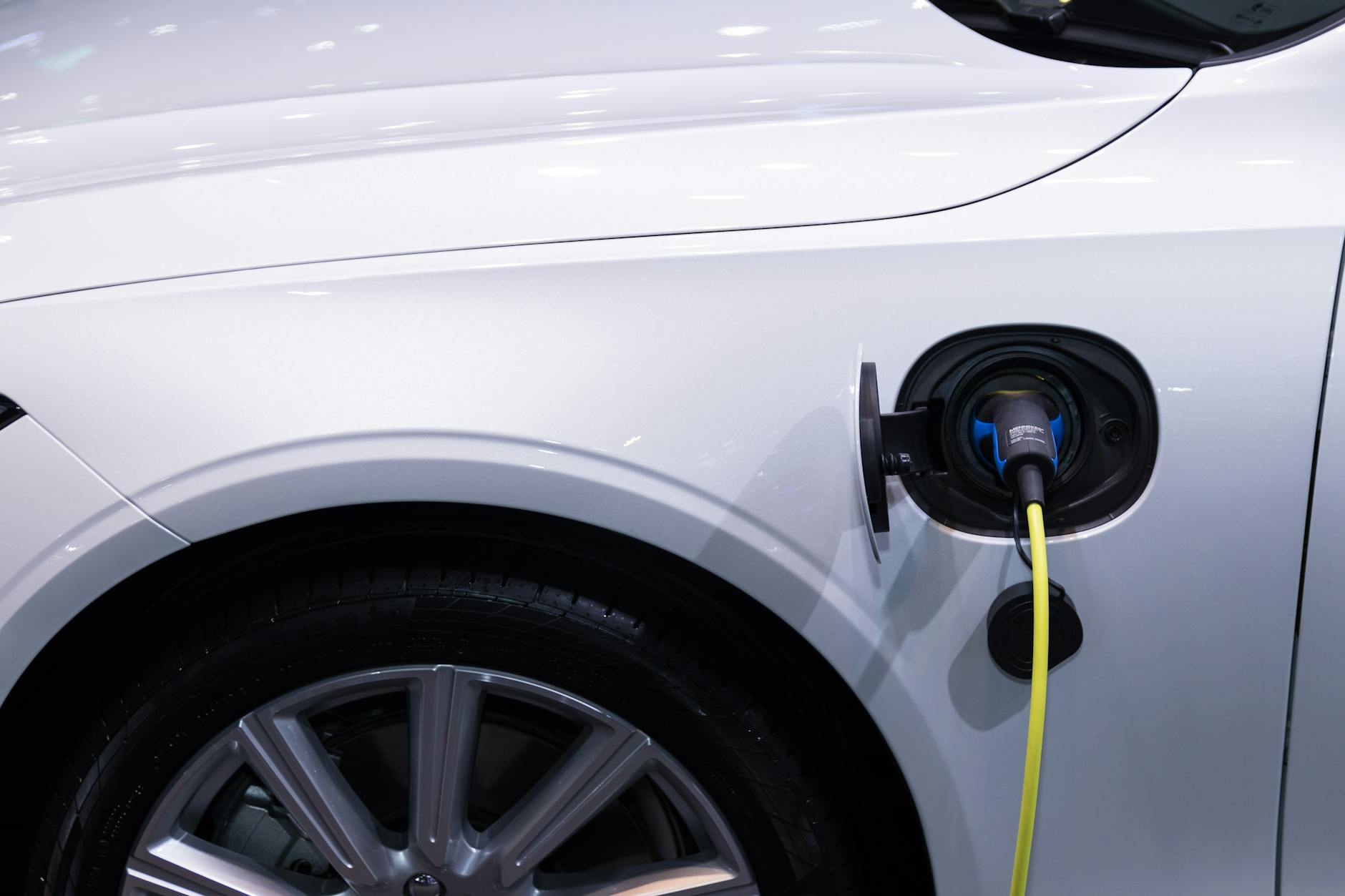
Many shops are partnering with charging network companies to install and maintain charging stations, adding installation services to their revenue mix. This diversification proves especially valuable as traditional maintenance items like oil changes, brake pads, and transmission services become less frequent with electric vehicles.
Some entrepreneurs are finding that EV training opens doors to commercial fleet contracts. Delivery companies, ride-share fleets, and municipal vehicle departments need reliable EV maintenance partners. These contracts often provide steady, predictable income that balances seasonal fluctuations in retail automotive work.
The diagnostic capabilities required for EV work also translate to higher-end traditional vehicles with complex electronic systems. Shops report that EV training improves their ability to service luxury cars and newer gas vehicles with advanced driver assistance systems.
Market Positioning and Customer Loyalty
Electric vehicle owners represent a distinct customer demographic with specific service expectations. They tend to research service providers thoroughly, value technical expertise, and remain loyal to shops that demonstrate EV competency. This creates opportunities for premium service packages and long-term customer relationships.
Early adopters of EV training report that certified status becomes a powerful marketing differentiator. EV owners often search specifically for certified shops, creating organic demand without extensive advertising investment. Word-of-mouth referrals within EV owner communities prove particularly strong.
The customer base for EV services continues expanding beyond early adopters. As mainstream consumers purchase electric vehicles, they seek familiar, trusted local mechanics rather than dealership-only service. This shift mirrors how independent shops captured market share from dealerships in traditional automotive service.
Similar to how local bookstores are thriving through community event programming, auto repair shops are building communities around EV ownership, hosting educational events and building expertise that creates customer loyalty beyond simple service transactions.
Investment Returns and Future Growth
Shop owners consistently report that EV training delivers faster returns on investment than most equipment purchases. The combination of premium pricing, growing demand, and limited competition creates favorable market conditions for early movers.

The timing advantage proves crucial as more shops recognize the opportunity. Markets with multiple EV-certified shops see price competition, while areas with few certified providers maintain premium pricing longer. This first-mover advantage extends beyond immediate profits to market positioning as the EV transition accelerates.
Equipment costs for EV service remain reasonable compared to other automotive specializations. While high-voltage safety equipment and diagnostic tools require investment, the amounts are manageable for established shops compared to major equipment purchases like alignment machines or paint booths.
Training programs continue expanding as automotive schools and certification bodies respond to industry demand. Online components make training more accessible to rural shops, while hands-on requirements ensure safety standards remain high.
The long-term outlook remains strongly positive as electric vehicle sales continue growing across all market segments. Government incentives, improving battery technology, and expanding charging infrastructure support sustained EV adoption that translates to consistent service demand.
Auto repair shops that invest in electric vehicle training today position themselves for sustained profitability in tomorrow’s automotive landscape. The combination of premium pricing, growing demand, and technical barriers to entry creates rare conditions where specialization delivers both immediate returns and long-term competitive advantage. As the automotive industry transforms, these forward-thinking shop owners are proving that adaptation pays better than resistance.
Frequently Asked Questions
How much can auto shops charge for EV services?
EV-certified shops typically charge $150-200 per hour compared to standard automotive rates of $100-130 per hour.
What does EV training cost for mechanics?
Investment ranges from $5,000-15,000 per technician, typically recouped within six months through higher rates.