





A growing number of auto repair shops across the country are discovering a lucrative new revenue stream that doesn’t require abandoning their traditional services. Instead of just fixing gas-powered vehicles, these mechanical entrepreneurs are retrofitting classic cars and trucks with electric powertrains, tapping into a market where customers pay anywhere from $15,000 to $50,000 for conversions.
The trend represents a perfect storm of opportunity: aging car enthusiasts want to electrify beloved classics, environmental regulations are tightening, and electric vehicle components are becoming more accessible. For shop owners willing to invest in training and equipment, EV conversions offer margins that dwarf traditional repair work.
From Oil Changes to Battery Swaps
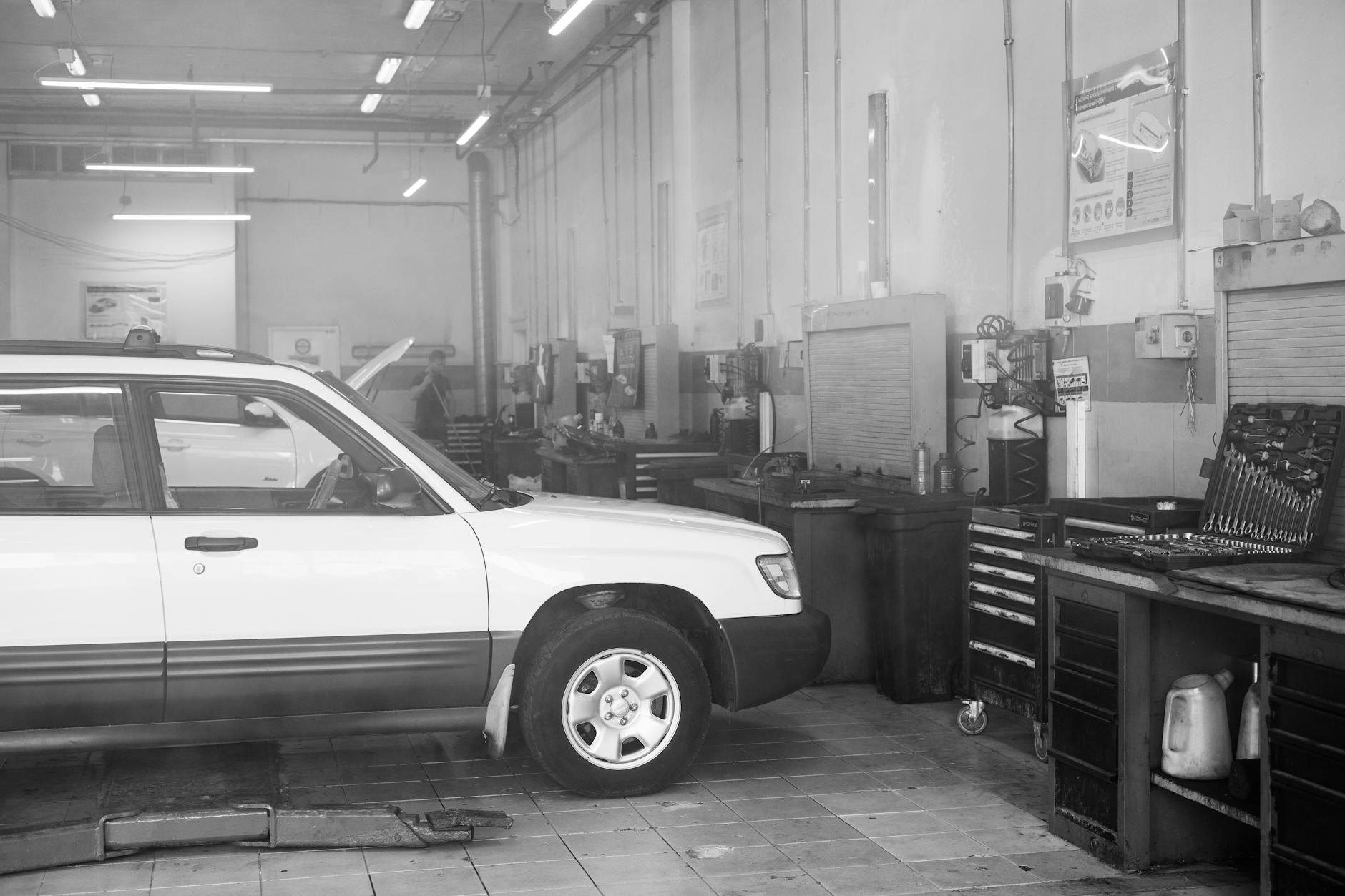
Traditional auto repair shops built their businesses on predictable services: oil changes, brake repairs, engine diagnostics. These services typically generate modest profits on familiar territory. Electric vehicle conversions flip that model entirely, offering higher-value projects that can take weeks to complete and command premium pricing.
Mike Rodriguez, who runs Rodriguez Auto Service in Phoenix, started offering EV conversions after noticing customers asking about electrifying their vintage trucks. “We went from making $800 on a transmission rebuild to charging $25,000 for a complete EV conversion,” Rodriguez explains. “The labor hours are completely different, and so are the margins.”
The conversion process typically involves removing the internal combustion engine, installing electric motors, mounting battery packs, and integrating charging systems. Most shops partner with companies like EV West or Electric GT to source components, though some develop relationships directly with battery manufacturers.
What makes this particularly attractive for existing repair shops is the overlap in required skills. These businesses already understand automotive electrical systems, fabrication, and mechanical integration. The jump to EV conversions requires additional training but builds on existing expertise.
Meeting Demand from Multiple Markets
The customer base for EV conversions spans several distinct groups, each with different motivations and budgets. Classic car collectors want to preserve beloved vehicles while reducing emissions and maintenance. Commercial fleet operators seek to electrify delivery trucks and work vehicles to meet sustainability goals or comply with urban emissions regulations.
Performance enthusiasts represent another segment, drawn by the instant torque and unique characteristics of electric powertrains. Converting a 1960s muscle car to electric creates something entirely new while preserving the original aesthetics and handling characteristics.
Some customers pursue conversions for purely practical reasons. In California, certain municipalities offer incentives for electric vehicle conversions, making the financial equation more favorable. Zero-emission zones in European cities have created similar demand overseas, with some American shops now serving international customers.
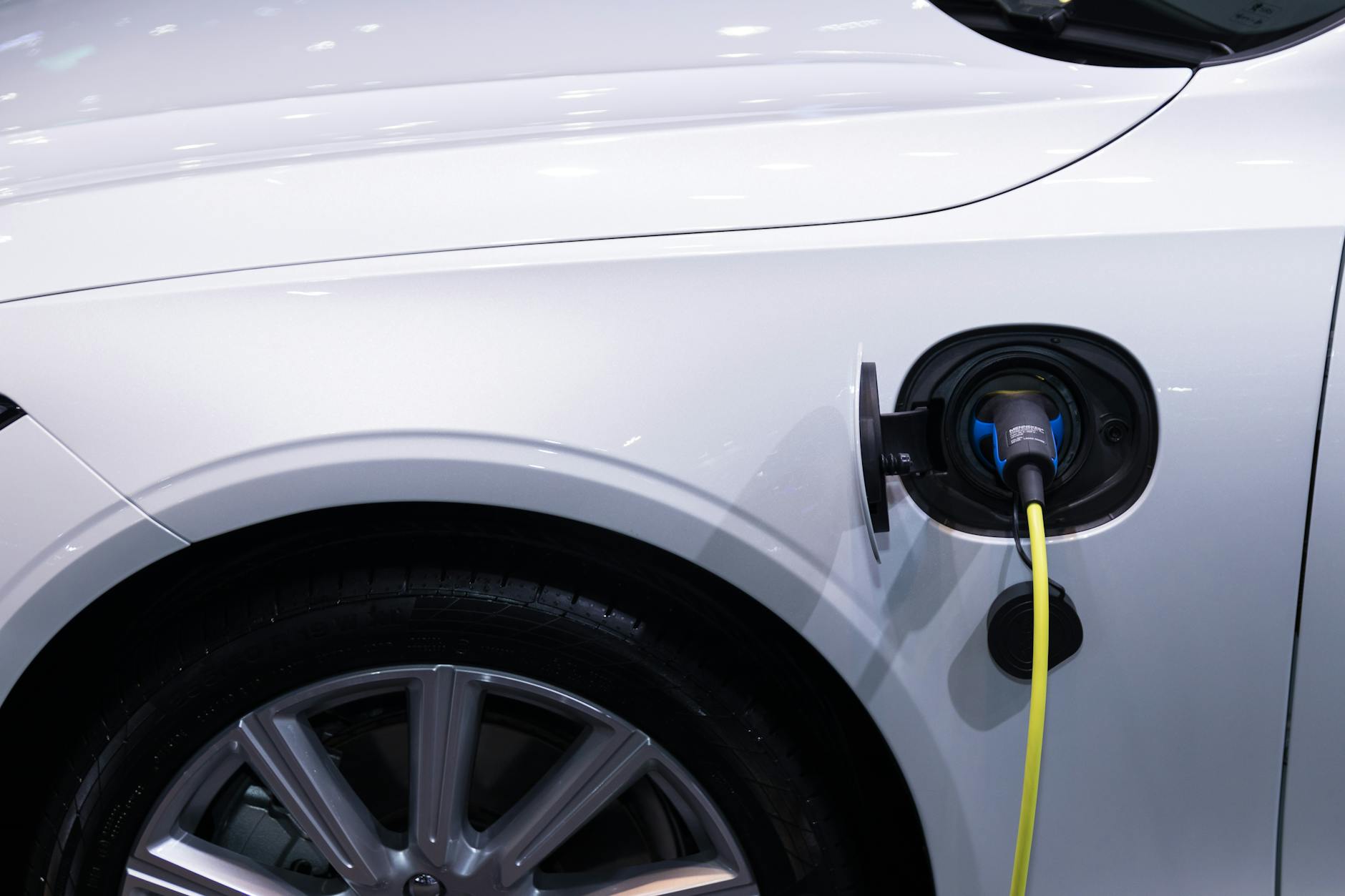
The typical conversion timeline runs 4-8 weeks depending on complexity. Simple projects might involve straightforward motor and battery installation, while complex builds require custom fabrication, advanced battery management systems, and integration with original vehicle electronics.
Shops report that word-of-mouth drives much of their conversion business. One satisfied customer often leads to several referrals within car clubs, collector communities, or commercial fleets. This organic marketing proves especially valuable given the specialized nature of the service.
Investment and Training Requirements
Successfully entering the EV conversion market requires significant upfront investment in both equipment and education. Shops need specialized tools for high-voltage systems, battery handling equipment, and diagnostic computers capable of programming electric powertrains.
Safety training becomes paramount when working with high-voltage systems. Many shops send technicians to specialized programs offered by community colleges or trade organizations. The National Institute for Automotive Service Excellence now offers EV-specific certifications that help establish credibility with potential customers.
Initial equipment costs typically range from $50,000 to $150,000 depending on the scope of services offered. This includes lifts rated for battery weight, charging stations for testing converted vehicles, and safety equipment for handling lithium batteries. Some shops lease equipment initially or partner with other businesses to share costs.
The learning curve extends beyond technical skills to project management. EV conversions involve coordinating with multiple suppliers, managing longer project timelines, and setting appropriate customer expectations. Unlike standard repairs with predictable timeframes, conversions can encounter unexpected complications that extend completion dates.
Smart shops start with simpler projects to build expertise and reputation before taking on complex custom builds. A basic conversion of a popular vehicle model provides valuable experience while minimizing risk.
Revenue Models and Pricing Strategies
EV conversion pricing varies dramatically based on vehicle type, performance goals, and component selection. Economy conversions for simple vehicles might start around $15,000, while high-performance builds for luxury or sports cars can exceed $75,000.
Most shops structure pricing around labor hours plus markup on components. Labor rates for EV work typically command premium pricing compared to standard repair work, reflecting the specialized skills required. Components often represent 60-70% of total project cost, with shops applying standard markup percentages.
Some businesses develop package deals for popular vehicle models, standardizing component selection and fabrication processes. This approach reduces costs while maintaining healthy margins. Others focus exclusively on custom builds, positioning themselves as boutique specialists commanding premium rates.
Financing partnerships help customers manage large conversion costs. Several shops work with specialty lenders familiar with vehicle modification projects. Some offer in-house payment plans for established customers or smaller projects.
The business model shares similarities with other specialized automotive services, much like how local barbershops boost profits through premium grooming product sales. Both involve leveraging existing customer relationships to offer higher-value specialized services.
Looking Ahead: Sustainable Growth
The EV conversion market appears positioned for continued expansion as electric vehicle adoption accelerates and environmental regulations tighten. Several factors suggest sustained demand for these services.
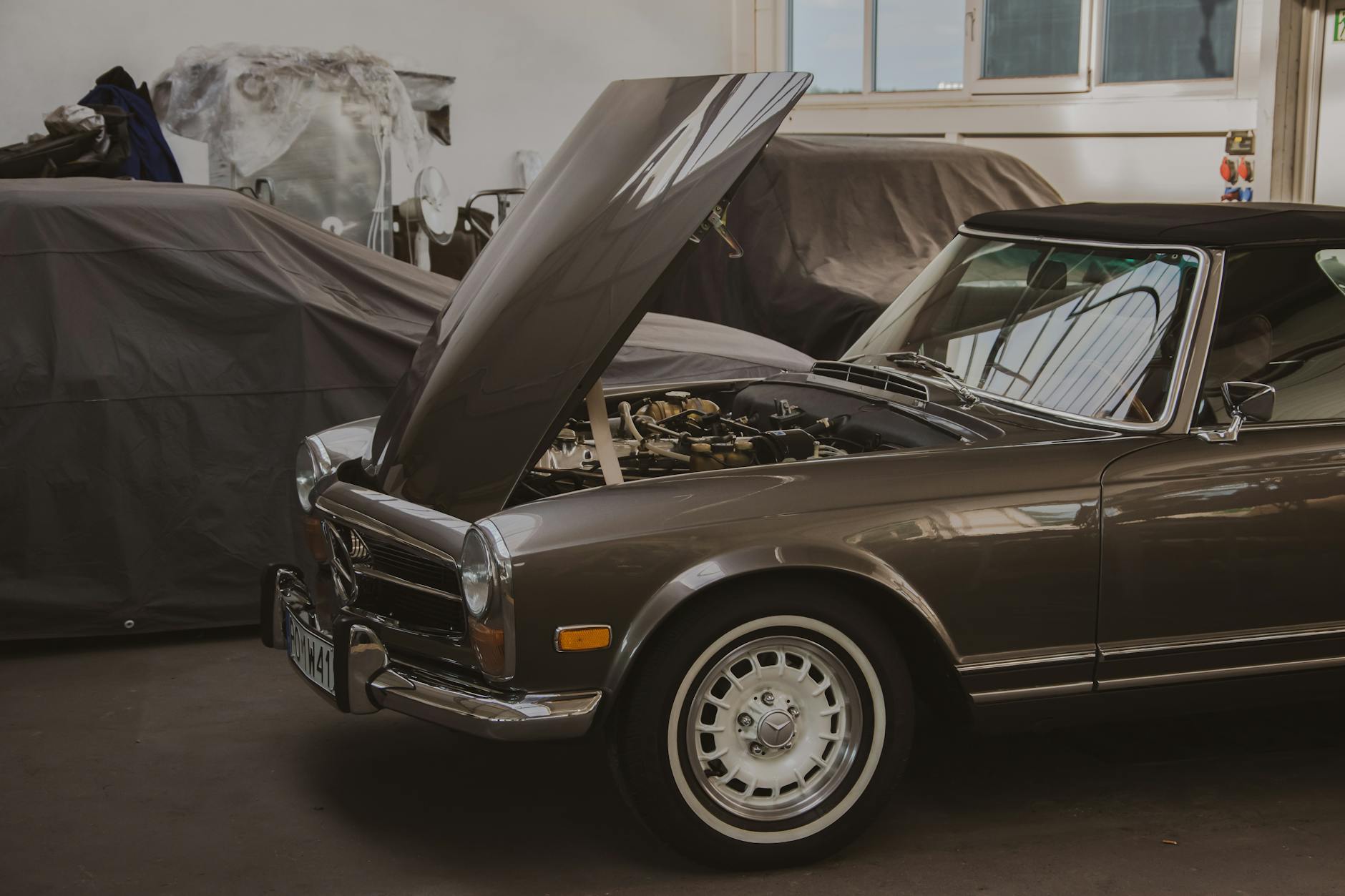
Aging vehicle fleets present ongoing conversion opportunities. Many commercial operators want to electrify existing trucks rather than purchasing entirely new vehicles. Classic car enthusiasm shows no signs of waning, and electric powertrains offer a way to enjoy vintage vehicles while addressing environmental concerns.
Technology improvements continue making conversions more viable. Battery energy density increases while costs decrease. Standardized components and plug-and-play systems reduce installation complexity and project timeframes.
However, success requires careful business planning and realistic expectations. Not every repair shop will thrive in this market. Success depends on technical aptitude, financial resources for equipment and training, and ability to manage complex projects and customer relationships.
The shops finding success treat EV conversions as a natural evolution of their automotive expertise rather than a complete business pivot. They maintain traditional services while gradually building conversion capabilities and customer base.
As the automotive landscape continues shifting toward electrification, repair shops offering conversion services position themselves at the intersection of automotive history and future technology. For business owners willing to invest in the transition, EV conversions offer a path to higher revenues and differentiated services in an increasingly competitive market.
Frequently Asked Questions
How much do electric vehicle conversions typically cost?
EV conversions range from $15,000 for basic projects to $50,000+ for high-performance builds, depending on vehicle type and component selection.
What equipment do shops need for EV conversions?
Shops require high-voltage safety equipment, specialized diagnostic tools, battery handling equipment, and upgraded lifts, typically costing $50,000-$150,000 initially.