





The Quiet Capital Migration Nobody Is Talking About
Infrastructure debt funds have become the preferred parking spot for pension capital that no longer fits comfortably inside public bond markets. As sovereign yields stabilize at levels that look acceptable on paper but disappoint on a risk-adjusted basis, pension managers are quietly rotating into private infrastructure debt – toll roads, water treatment facilities, renewable energy projects, fiber networks – where yields are higher, durations are long, and cash flows are contractually bound by regulation or concession agreements. This is not a sudden trend. It has been building for years, but the pace has accelerated noticeably as pension liabilities grow and the pressure to match duration intensifies.
The appeal is structural, not speculative.
Infrastructure debt, unlike corporate high-yield or even investment-grade credit, tends to be secured against physical assets that don’t depreciate into irrelevance. A gas pipeline or a regulated water utility generates predictable revenue regardless of whether equity markets are rallying or collapsing. For pension funds managing liabilities that stretch thirty years into the future, that kind of cash flow predictability is not a luxury – it is a planning requirement. When public bond yields stagnate and equity volatility spikes, infrastructure debt funds offer something rare: a middle path with meaningful yield and relatively low correlation to market sentiment.

Why Yields Are Holding – and Why That Matters for This Trade
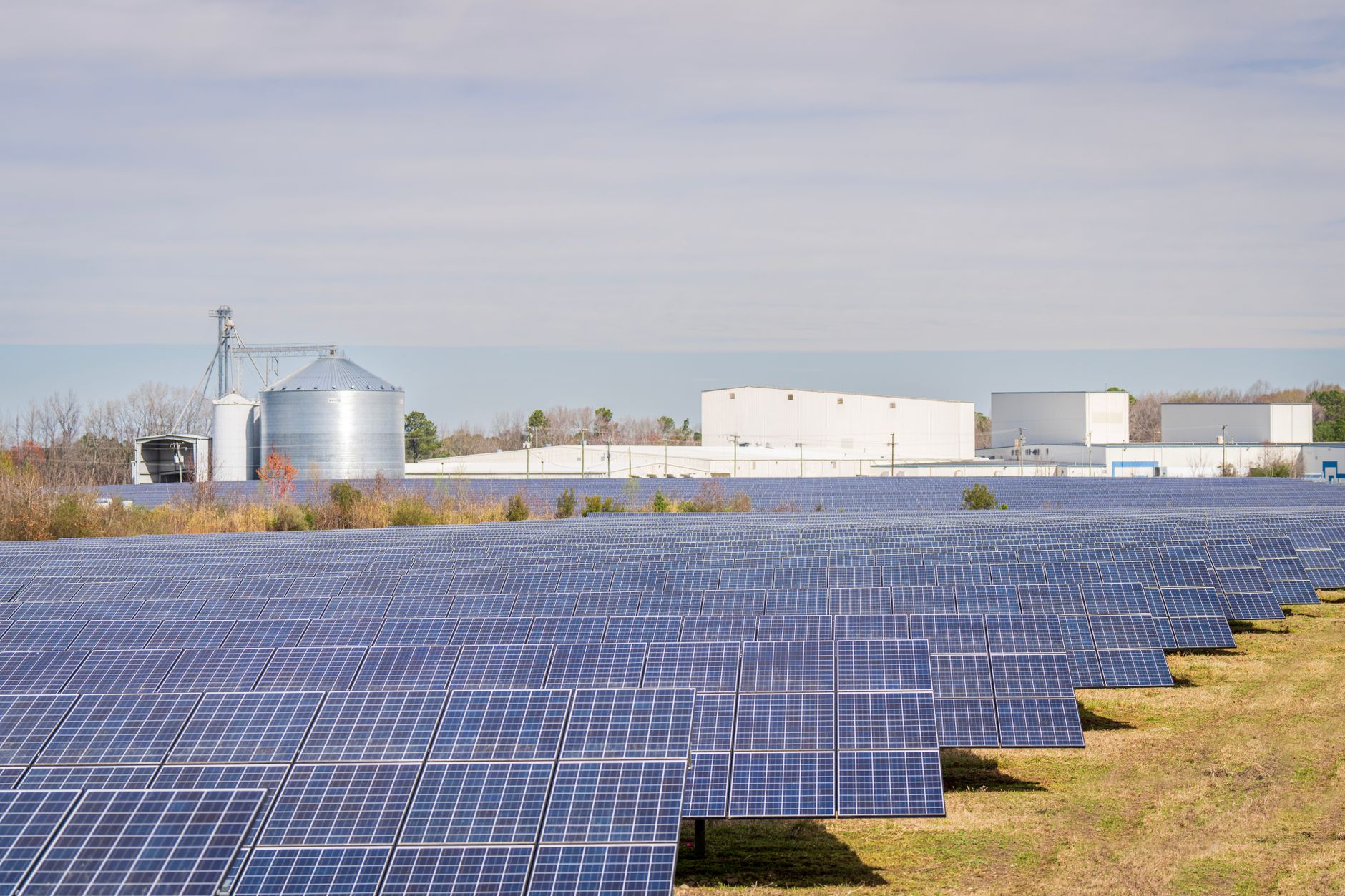
The stability in infrastructure debt yields comes from the underlying assets themselves. Unlike corporate bonds, where spreads compress and expand with credit cycles and earnings risk, infrastructure debt pricing is anchored to the regulated return frameworks, concession terms, or long-term offtake contracts governing the assets. A solar farm with a twenty-five-year power purchase agreement doesn’t reprice like a consumer discretionary bond when the Federal Reserve signals a rate shift. That insulation is exactly what pension allocators need when they are trying to model liability coverage over multi-decade horizons.
This yield stability also creates a secondary benefit that often goes underappreciated: it reduces portfolio volatility on paper. Pension funds are subject to actuarial smoothing and reporting requirements that make mark-to-market swings painful at the portfolio level, even when they are temporary. Infrastructure debt, which is typically held to maturity and valued on a discounted cash flow basis rather than secondary market pricing, avoids that volatility almost entirely. The allocation looks steady on quarterly reports, which matters to boards and beneficiaries who don’t want to explain why the pension fund just moved twenty basis points in the wrong direction because of a central bank press conference.
Senior infrastructure debt in developed markets is currently pricing anywhere from 150 to 300 basis points above comparable public debt, depending on jurisdiction, asset type, and deal structure. That spread premium reflects illiquidity, complexity, and origination costs – not elevated credit risk. Default rates on investment-grade infrastructure debt have historically tracked far below comparably rated corporate bonds, partly because regulated infrastructure operators have limited incentive to take on balance sheet risk and partly because lenders typically hold senior secured positions with real asset backing. The return for the risk taken is, by most measures, favorable.

How Pension Funds Are Structuring These Allocations
Large pension funds rarely buy infrastructure debt directly. The origination effort required – sourcing projects, conducting technical due diligence on physical assets, negotiating intercreditor arrangements – is operationally intensive and requires specialized teams that most pension allocators don’t maintain in-house. Instead, they access the market through dedicated infrastructure debt funds managed by specialist asset managers, some of which are affiliated with large alternative investment platforms and others that operate as standalone credit-focused managers with sector-specific expertise.
Allocations typically sit inside the “private credit” or “alternatives” sleeve of a pension portfolio, separate from traditional fixed income but sometimes blended with real assets depending on how a given fund categorizes illiquid investments. The ticket sizes are large – often north of fifty million dollars per commitment – which means smaller pension funds frequently access the strategy through co-mingled fund structures rather than separately managed accounts. Larger plans, particularly sovereign wealth funds and the biggest public pension systems in Canada, Australia, and Northern Europe, have begun building direct lending capabilities to reduce the fee drag that comes with fund structures.
The fee question is real. Infrastructure debt funds typically charge management fees in the range of 0.75% to 1.25% annually, with some carrying carried interest arrangements on returns above a preferred hurdle. For pension funds already operating under fee scrutiny from beneficiaries and government oversight bodies, the cost of access matters. The trend toward direct lending and co-investment rights – where a pension fund participates alongside the manager in a specific deal without paying full fund-level fees – is a direct response to that pressure. It requires more internal infrastructure, but for funds with the scale to build it, the economics improve substantially.
The Risks That Don’t Make It Into the Pitch Deck
Infrastructure debt is not without its complications. Illiquidity is the most obvious: once capital is committed to a fifteen-year infrastructure loan, there is no easy exit if circumstances change. Secondary markets for private infrastructure debt exist but are thin and unpredictable, and forced sales typically happen at significant discounts. Pension funds accepting this constraint are making a bet that their liability profile is stable enough that they won’t need to liquidate the position – a reasonable assumption for a large, well-funded plan, but a meaningful risk for one operating close to its funding ratio floor.
Construction risk is another factor that gets less attention than it deserves. Many infrastructure debt funds participate in the financing of projects that are still being built, not just operating assets with proven cash flow histories. Greenfield lending – financing construction-phase infrastructure – carries substantially higher risk than brownfield lending against mature, revenue-generating assets. Cost overruns, permitting delays, and supply chain disruptions can all impair the return profile of a construction loan in ways that simply don’t apply to an operating toll road with twenty years of traffic data. Allocators who don’t distinguish carefully between greenfield and brownfield exposure within their infrastructure debt allocations are taking on more risk than they may realize.
Political and regulatory risk also sits somewhere in the background of every infrastructure investment. A government can renegotiate a concession agreement, change a utility’s regulated return, or alter the subsidy framework supporting a renewable energy project. These events are rare in stable jurisdictions, but they are not theoretical – they have happened in Southern Europe during fiscal crises and in emerging markets with some regularity. Pension funds concentrated in domestic infrastructure face this risk in concentrated form; those with globally diversified infrastructure debt portfolios are somewhat insulated, though currency hedging adds its own cost layer to the return calculation.
The pension funds most aggressively building infrastructure debt exposure right now are not doing so because the strategy is fashionable – they are doing so because the math is pushing them there. Public bond yields, even at current levels, leave too much duration gap for funds with long-dated liabilities. Equity allocations carry volatility that actuarial models penalize. Infrastructure debt, with its long tenor, stable yield, and contractual cash flow structure, fills a specific hole in the liability-matching puzzle. The remaining question is whether enough deal flow exists to absorb all the capital chasing the asset class – because when too much money pursues too few qualifying assets, spread compression follows, and the yield premium that made the strategy attractive in the first place quietly disappears.