





Small pharmacies across America are discovering that specialty compounding services can transform their businesses from struggling neighborhood drugstores into thriving healthcare destinations. While chain pharmacies dominate routine prescription fills, independent operators are carving out profitable niches by creating customized medications that big box stores can’t or won’t provide.
The numbers tell a compelling story. Independent pharmacies have declined from 24,000 locations in 2003 to fewer than 19,000 today, yet those embracing compounding services report revenue increases of 20 to 40 percent. These specialized services allow pharmacists to prepare personalized medications by combining, mixing, or altering ingredients to meet individual patient needs – a practice that predates modern pharmaceutical manufacturing but has found new relevance in today’s healthcare landscape.

The Growing Demand for Customized Medications
Specialty compounding addresses gaps that traditional pharmaceutical manufacturing cannot fill. Patients need medications in strengths not commercially available, require preservative-free formulations due to allergies, or need alternative delivery methods like topical creams instead of oral tablets. Children often need liquid versions of adult medications, while elderly patients may require simplified dosing regimens.
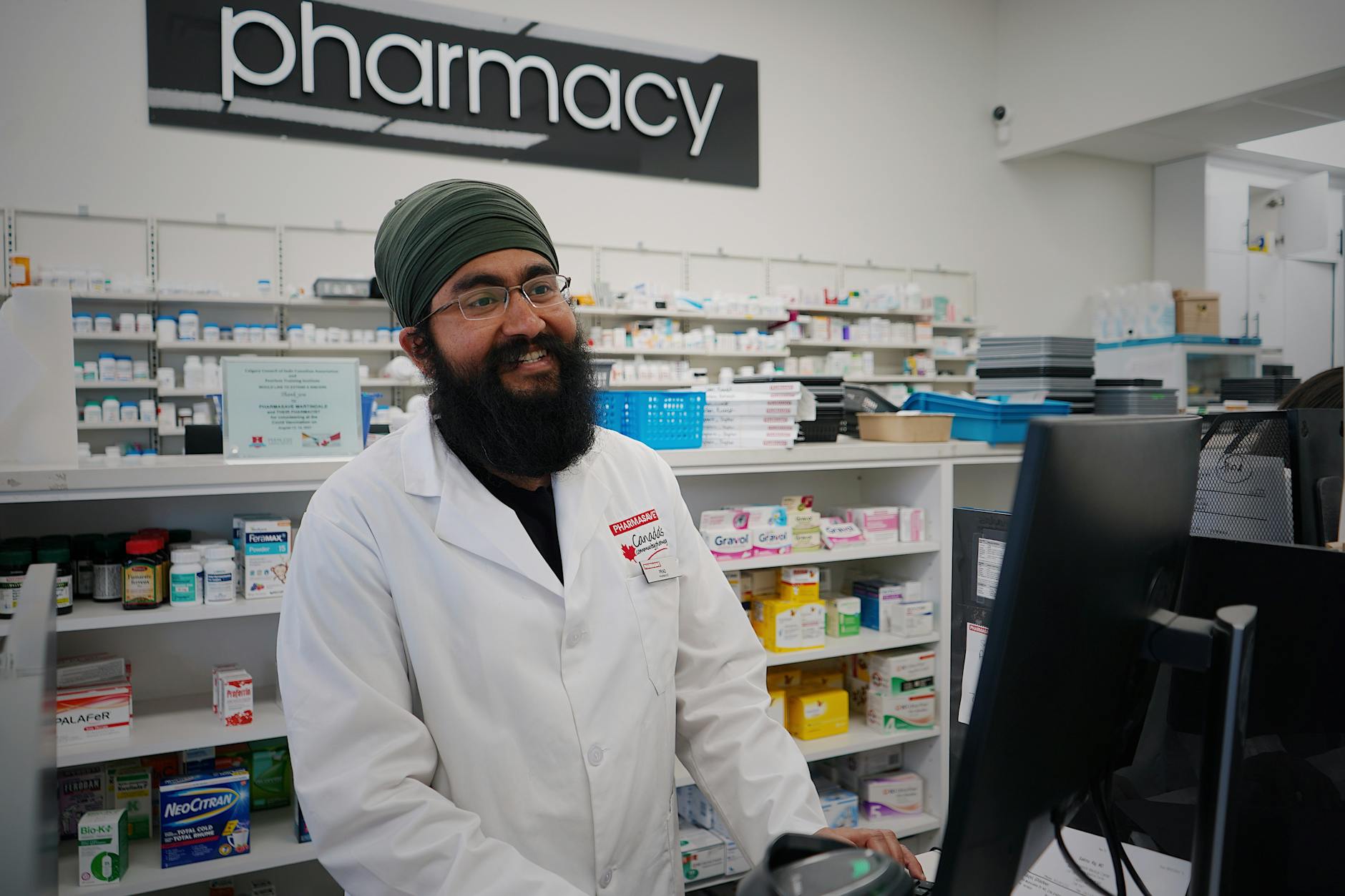
Dr. Sarah Martinez operates Valley Community Pharmacy in Phoenix, where compounding services now represent 35 percent of total revenue. “We see patients who can’t tolerate commercial formulations due to dye allergies, lactose intolerance, or gluten sensitivity,” Martinez explains. “By removing problem ingredients and creating custom solutions, we’re solving real medical problems while building sustainable revenue streams.”
The demand spans multiple therapeutic areas. Pain management represents the largest segment, with topical preparations allowing targeted relief without systemic side effects. Hormone replacement therapy follows closely, as practitioners increasingly prefer bioidentical hormones prepared to exact specifications. Dermatology compounding addresses conditions requiring specialized concentrations or unique combinations of active ingredients.
Veterinary compounding has emerged as an unexpected growth driver. Pets require different dosages and flavors than human medications, creating opportunities for pharmacies willing to prepare chicken-flavored antibiotics for cats or precisely dosed heart medications for small dogs. This niche market often generates higher margins than traditional prescriptions while building loyalty among local veterinarians.
Investment Requirements and Training Considerations
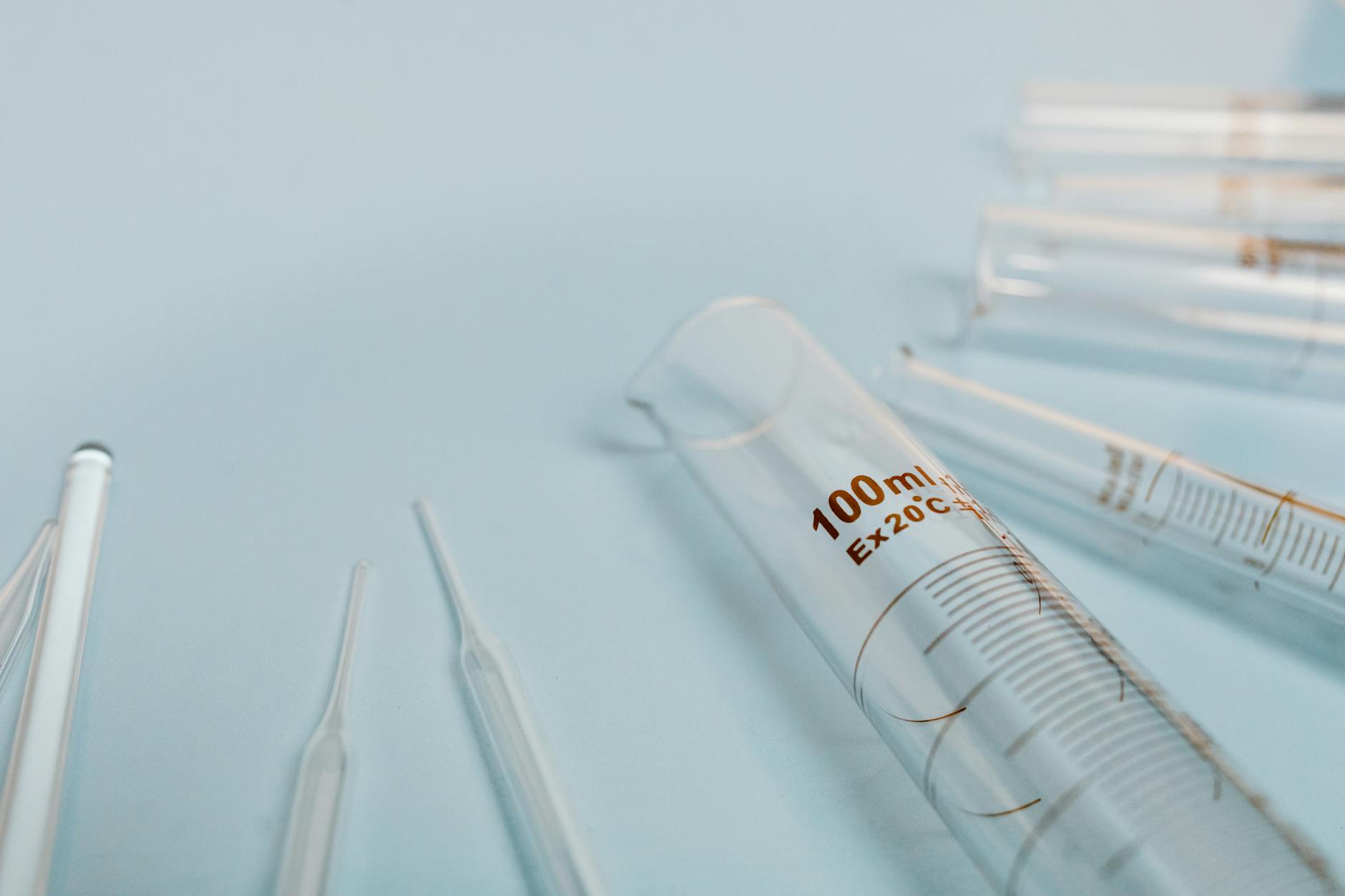
Establishing compounding services requires significant upfront investment and ongoing commitment to quality standards. Clean room facilities meeting USP 797 and USP 795 guidelines typically cost between $50,000 and $150,000 for basic installations. Equipment needs include precision balances, ointment mills, capsule filling machines, and specialized storage systems for temperature-sensitive ingredients.
Training represents another major investment. Pharmacists must complete specialized education programs through organizations like the Professional Compounding Centers of America or the International Academy of Compounding Pharmacists. These programs cost $3,000 to $8,000 per pharmacist but provide essential knowledge about stability testing, quality assurance protocols, and regulatory compliance.
Regulatory oversight has intensified following high-profile contamination incidents in the early 2010s. The FDA now requires registration for certain types of compounding, while state boards enforce strict inspection schedules and documentation requirements. Successful operators invest heavily in compliance systems, viewing regulation as protection rather than burden.
Technology integration streamlines operations and ensures consistency. Modern compounding pharmacies use specialized software to calculate formulations, track batch records, and manage inventory of hundreds of raw materials. Some systems integrate with electronic health records, allowing prescribers to submit compound orders directly through familiar interfaces.
Marketing and Relationship Building Strategies
Success in compounding requires active relationship building with healthcare providers who understand the value of customized medications. Unlike traditional pharmacy operations that rely primarily on location and convenience, compounding pharmacies must educate potential referral sources about their capabilities and build trust through consistent quality delivery.
James Thompson transformed his struggling suburban pharmacy by focusing on pain management compounding. “I started by visiting every physician office within twenty miles, explaining how topical preparations could help their patients avoid opioid risks,” Thompson recalls. “Now we have standing orders from fifteen practices, and doctors call us directly when patients have unique needs.”
Patient education plays an equally important role. Compounded medications often look different from commercial products and may require special handling or storage instructions. Successful operators invest time in counseling sessions, provide detailed instruction sheets, and follow up to ensure proper use and satisfaction.
Digital marketing has become increasingly important as patients research treatment options online. Pharmacies highlight their compounding capabilities through professional websites, maintain active social media presence, and participate in health fairs and community events. Many develop referral programs that reward existing patients for recommending services to friends and family members.
Like local auto repair shops adapting to electric vehicles, independent pharmacies must evolve their service offerings to remain competitive against larger chains.
Financial Performance and Growth Projections
Compounding services typically generate higher margins than traditional prescription dispensing. While standard prescriptions may yield 20 to 25 percent gross margins, compounded preparations often achieve 40 to 60 percent margins due to their specialized nature and limited competition. The increased revenue per transaction helps offset declining prescription volumes in many markets.
Patient retention rates for compounding services exceed those of traditional pharmacy operations. Customers who rely on customized medications rarely switch providers, creating stable revenue streams that support business planning and expansion. Many operators report that compounding patients also fill their routine prescriptions locally, further boosting overall revenue.
The investment payback period varies significantly based on local market conditions and implementation approach. Pharmacies in areas with active integrative medicine practitioners or specialty clinics often see positive returns within 18 to 24 months. Rural locations may take longer to develop referral networks but face less competition once established.
Growth projections for the compounding market remain positive despite regulatory challenges. Industry analysts predict continued expansion as healthcare moves toward personalized medicine approaches, aging populations require specialized formulations, and patients seek alternatives to mass-produced pharmaceuticals. Independent pharmacies positioned to capture this demand while maintaining quality standards should find sustainable competitive advantages in increasingly crowded healthcare markets.
The transformation of independent pharmacies through specialty compounding services demonstrates how traditional businesses can thrive by identifying underserved market segments and investing in the capabilities needed to serve them effectively. As healthcare continues evolving toward personalized approaches, pharmacists who master compounding techniques while building strong provider relationships will likely discover their most profitable years lie ahead.
Frequently Asked Questions
What is pharmacy compounding?
Compounding is the practice of preparing customized medications by combining, mixing, or altering ingredients to meet individual patient needs.
How much does it cost to start compounding services?
Initial investment typically ranges from $50,000 to $150,000 for clean room facilities plus $3,000 to $8,000 per pharmacist for specialized training.