





Small coffee roasters across America are finding new ways to challenge Starbucks by securing corporate partnerships that were once out of reach. These independent businesses are leveraging their artisanal appeal and local connections to land contracts with offices, hotels, and retail chains seeking authentic alternatives to corporate coffee giants.
The shift represents a significant opportunity for small roasters to scale their operations without losing their craft identity. Corporate buyers increasingly want to differentiate their coffee offerings while supporting local businesses, creating an opening that savvy independent roasters are exploiting with strategic partnerships.
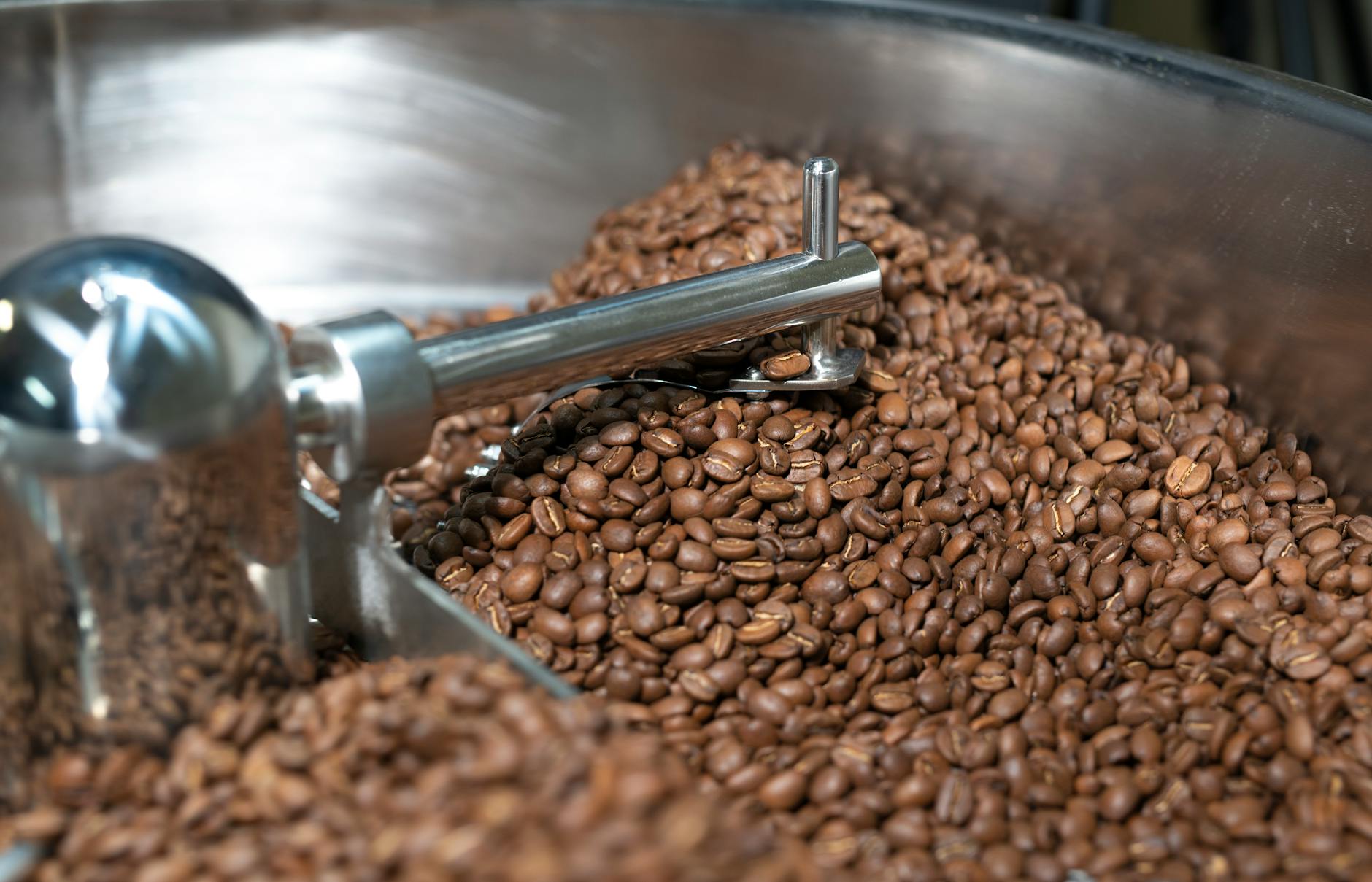
Corporate Buyers Seek Authenticity Over Scale
Independent roasters are winning corporate contracts by emphasizing their unique origin stories and small-batch quality. Counter Culture Coffee in North Carolina has built relationships with boutique hotels and co-working spaces that want to offer guests something beyond standard corporate blends. Similarly, Intelligentsia Coffee has expanded from its Chicago roots to supply premium locations nationwide.
The appeal lies in authenticity. Corporate buyers recognize that today’s consumers, especially millennials and Gen Z workers, value brands with genuine stories and local connections. A tech company serving locally-roasted coffee in their break room sends a different message than one with generic office coffee.
This trend mirrors strategies used by other small businesses. Just as local florists partner with grocery chains to expand revenue streams, coffee roasters are finding that the right corporate partnerships can dramatically expand their reach while maintaining their artisanal brand identity.
Strategic Partnership Models That Work
Successful independent roasters are using several partnership approaches to compete effectively. Office coffee subscriptions have become particularly popular, with roasters like Blue Bottle Coffee and Stumptown Coffee establishing regular delivery routes to corporate campuses. These arrangements provide steady revenue streams while introducing their brands to hundreds of potential retail customers.
Hotel partnerships represent another lucrative avenue. Boutique hotels and upscale chains increasingly feature local roasters in their lobbies and rooms, viewing coffee as part of their authentic local experience. These partnerships often extend beyond simple supply agreements to include branded coffee bars and co-marketing opportunities.
Restaurant and retail partnerships have also proven effective. Many independent roasters now supply coffee to restaurant groups and specialty grocery stores, gaining shelf space that would be difficult to secure through traditional retail channels. These relationships often start locally but can expand as restaurant groups grow or grocery chains add locations.

Overcoming Scale and Logistics Challenges
Independent roasters face real challenges when competing for corporate contracts. Large clients often require consistent supply volumes that can strain small operations. However, many successful roasters have solved this by investing strategically in equipment and forming partnerships with other local roasters to share large orders.
Quality consistency remains crucial. Corporate clients expect the same cup quality whether they order 50 pounds or 500 pounds monthly. Independent roasters are investing in better quality control systems and standardized roasting profiles to meet these expectations while maintaining their artisanal character.
Pricing presents another hurdle. While corporate buyers may pay premiums for authenticity, they still need competitive pricing. Successful independent roasters have addressed this by offering tiered pricing based on volume commitments and creating simplified product lines specifically for corporate clients that maintain quality while reducing complexity.
Distribution logistics have improved significantly for small roasters through third-party delivery services and shared distribution networks. Many roasters now partner with local food distributors or form cooperatives with other specialty food producers to offer efficient delivery to corporate clients.
Technology and Marketing Advantages
Independent roasters are leveraging technology to compete more effectively with larger competitors. Many use subscription management software to handle corporate accounts, automated inventory systems to ensure consistent supply, and customer relationship management tools to maintain personalized service that large corporations cannot match.
Social media and digital marketing have leveled the playing field significantly. Small roasters can build brand awareness and showcase their unique stories through Instagram, LinkedIn, and direct email marketing to potential corporate clients. This direct communication often resonates more strongly than corporate marketing campaigns.
The rise of remote work has created new opportunities as well. Companies seeking to maintain culture with distributed teams are sending coffee packages to employees’ homes, creating subscription opportunities that independent roasters can fulfill more personally than large corporations.

The future looks promising for independent coffee roasters willing to adapt their business models. As corporations increasingly prioritize sustainability, local sourcing, and authentic partnerships, small roasters with compelling stories and quality products are well-positioned to capture market share from giants like Starbucks.
Success will likely depend on roasters’ ability to maintain their artisanal identity while scaling operations to meet corporate demands. Those who master this balance can build sustainable businesses that compete effectively through quality, authenticity, and personal service rather than pure scale and efficiency.
Frequently Asked Questions
How can small coffee roasters compete with Starbucks for corporate contracts?
Independent roasters compete by emphasizing authenticity, local stories, and personalized service that corporate buyers increasingly value over scale.
What types of corporate partnerships work best for independent coffee roasters?
Office subscriptions, hotel partnerships, and restaurant supply agreements provide steady revenue while maintaining artisanal brand identity.