





The Quiet Pivot Back to King Dollar
After months of betting against the greenback, global macro hedge funds are quietly reversing course. Position data and fund flow signals tracked through futures markets show a steady accumulation of long dollar exposure building across major currency pairs – particularly against the euro, British pound, and select emerging market currencies. The move is subtle enough to avoid headlines, but the directional shift is hard to miss for anyone watching the Commodity Futures Trading Commission’s weekly commitment of traders reports.
What makes this rebuild noteworthy is its timing. The dollar spent much of the past year under pressure as traders priced in Federal Reserve rate cuts, a narrowing yield differential with other major economies, and a general rotation away from U.S. assets. That narrative has not disappeared – but it has developed enough cracks that some of the sharpest macro traders in the world are now leaning the other way, at least tactically.
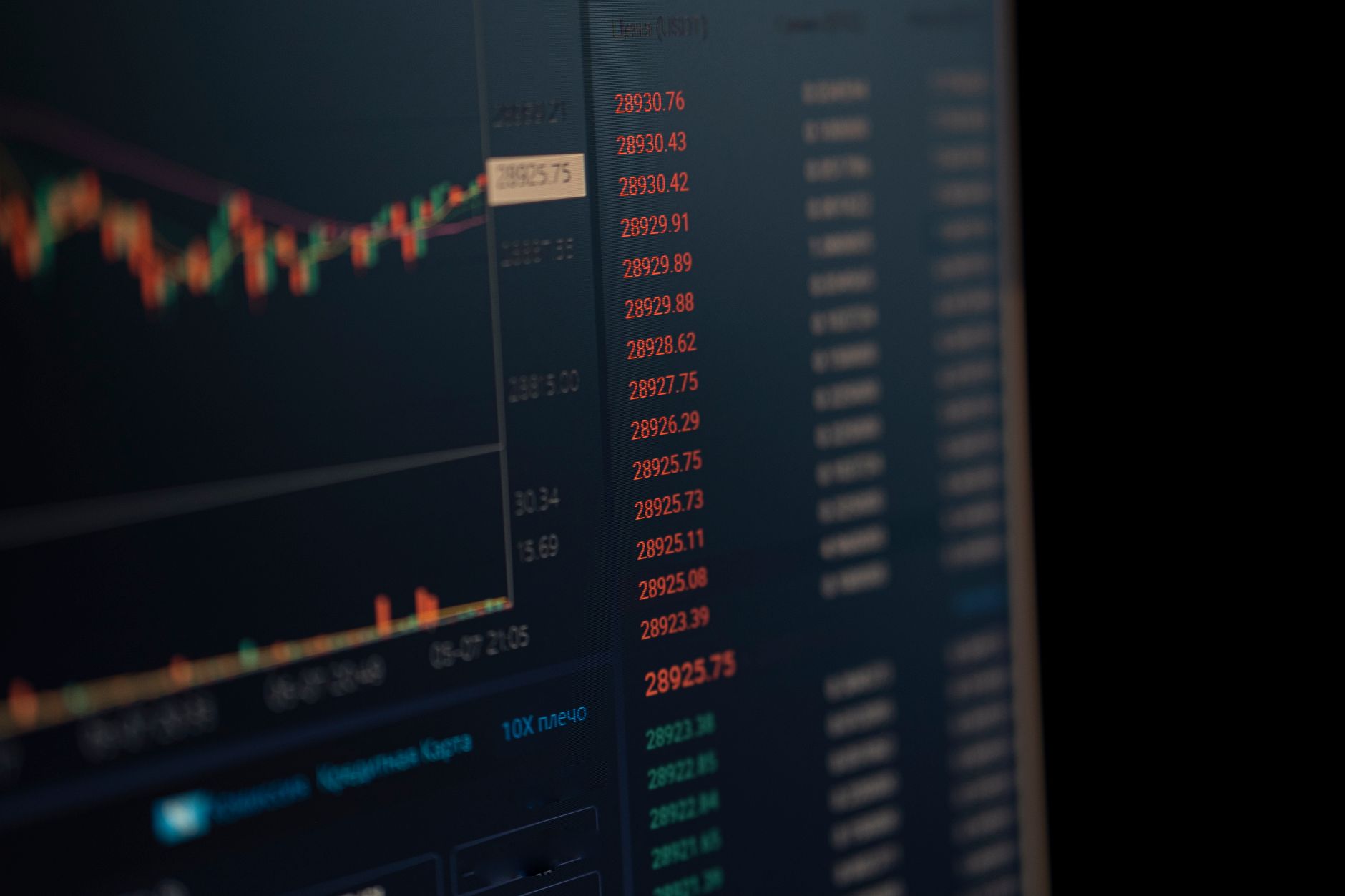
What Drove the Dollar Bearishness in the First Place
The bear case for the dollar was built on a few interconnected assumptions: the Fed would cut rates faster than its peers, U.S. growth would slow toward the global average, and foreign investors would gradually reduce their heavy overweight to U.S. equities and Treasuries. All three assumptions carried real logic. Rate differentials are a powerful force in currency markets, and when the Fed began signaling cuts, the dollar softened predictably.
Emerging market currencies benefited in particular. With a weaker dollar came relief on dollar-denominated debt burdens, improved commodity price dynamics for resource exporters, and a general “risk-on” appetite that funneled capital into higher-yielding assets. Funds positioned short the dollar were not simply making a currency call – they were expressing a macro view that U.S. exceptionalism was fading.
That view had legitimate support through most of last year. But macro trades are rarely permanent. They work until the conditions that sustain them shift – and a combination of stickier-than-expected U.S. inflation, a Fed that has turned notably more cautious about the pace of easing, and renewed fiscal uncertainty in Europe has given dollar bears reason to reconsider their conviction.
The Signals Behind the Repositioning
The repositioning is not all-in. Macro funds rebuilding long dollar exposure are doing so carefully, adding to positions in tranches rather than making bold directional statements. This is consistent with how large macro players operate when their conviction is moderate – they size up gradually, using options structures alongside spot and futures exposure to limit drawdown risk if the trade moves against them.
Positioning in euro/dollar has been particularly telling. Net speculative short positions on the euro have grown over recent weeks, which mechanically means more bets on dollar strength. With the European Central Bank under continued pressure to cut rates aggressively given weak German industrial output and softer regional growth, the yield differential argument is slowly swinging back toward the dollar – not dramatically, but enough to change the calculus for funds that live and die by relative rate dynamics.
The Macro Logic Driving the Trade
The core argument for rebuilding dollar longs comes down to rate path divergence. The Fed, facing an economy that has proven more durable than most expected, is now signaling a slower, shallower cutting cycle than markets were pricing in late last year. The ECB and Bank of England face different political and economic pressures – both are being pulled toward cuts even as their domestic inflation pictures remain complicated. That divergence in rate trajectories supports dollar strength through straightforward carry logic.
There is also a geopolitical dimension that macro funds cannot ignore. Dollar demand tends to rise when global uncertainty spikes. Ongoing conflicts, trade tensions, and political volatility in several major economies have not triggered a classic flight-to-safety dollar surge – but they have provided a floor under the currency that makes it harder for dollar bears to push through key technical levels. When a currency keeps bouncing off the same support zone, eventually the short side loses patience.
Fiscal dynamics add another layer. The U.S. deficit is large, and concerns about long-term dollar erosion are not unfounded. But in the near term, a larger deficit means more Treasury issuance, which absorbs global capital into dollar-denominated assets and can mechanically support the currency even as the long-run picture looks less clean. Macro funds thinking on a six-to-twelve month horizon are less concerned with the decade-long de-dollarization thesis and more focused on where rates and flows are heading in the next two quarters.
Currency options markets are adding texture to the picture. Implied volatility on major dollar pairs has stayed elevated relative to realized volatility, which suggests the market is hedging against a sharper dollar move rather than pricing in calm. When options markets are pricing tail risk on the upside for the dollar, it tends to attract momentum-sensitive macro funds who want to be positioned before a potential breakout rather than chasing it afterward.

What This Means for the Broader Market
A rebuilding long dollar position at the macro fund level is not an isolated currency trade – it carries implications across asset classes. A stronger dollar is historically a headwind for commodities priced in dollars, including oil and gold. It pressures emerging market debt and equities, where foreign investors see returns eroded by exchange rate moves. It can also complicate earnings for U.S. multinationals, whose overseas revenues shrink in dollar terms when the greenback rises.
For fixed income investors watching cross-market flows, the dollar positioning story intersects with how global capital is moving through rate-sensitive instruments. The same yield differential logic that is drawing macro funds back to the dollar is shaping demand dynamics in other yield-seeking corners of the market. Whether this dollar rebuild has legs or fades as quickly as it started will depend heavily on the next few rounds of U.S. inflation and jobs data – and whether the Fed’s cautious tone hardens into a genuine hold or softens again under growth pressure.
The funds leading this repositioning did not get rich predicting the obvious. The fact that they are moving back to dollar longs while the consensus narrative still leans bearish is precisely the kind of contrarian timing that defines how global macro works at its best. The question is whether the macro backdrop holds long enough for the trade to pay off – or whether the next inflation print sends everyone scrambling back to the other side of the boat.