





Food hall operators across the country face a harsh reality: commercial kitchen insurance rates have surged 40-60% over the past two years, forcing many to reconsider expansion plans and pushing smaller vendors toward closure. The increase stems from a perfect storm of rising liability claims, equipment fires, and insurers’ growing wariness of shared-kitchen environments.
The crisis hits particularly hard in cities like Austin, Denver, and Portland, where food halls have become cultural anchors. Chelsea Market in New York and Ponce City Market in Atlanta report insurance premiums that now consume 8-12% of gross revenue, compared to 3-5% just three years ago. For smaller operators running 6-8 vendor stalls, the math increasingly doesn’t work.
The Perfect Storm Behind Rising Premiums
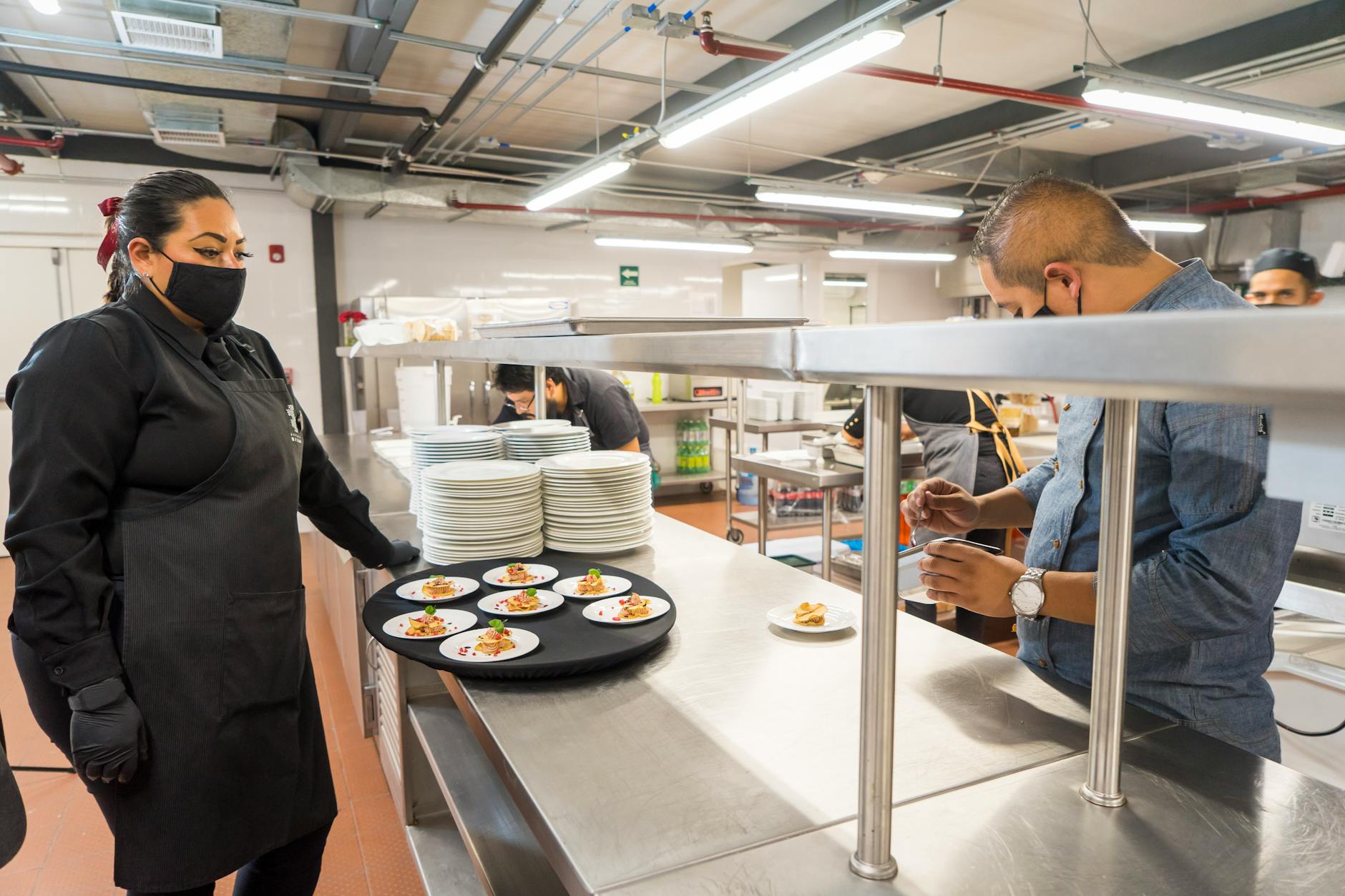
Insurance companies point to several factors driving the dramatic rate increases. Commercial kitchen fires have increased 23% nationally since 2021, with shared ventilation systems in food halls creating higher risk exposure. When one vendor’s equipment malfunctions, it can shut down entire operations for days or weeks.
“We’re seeing more frequent and severe claims involving grease fires, equipment failures, and slip-and-fall incidents,” explains Sarah Chen, a commercial insurance broker specializing in food service operations. “Food halls present unique challenges because you have multiple operators sharing utilities, ventilation, and common areas.”
Liability claims have also escalated. Food poisoning incidents that once resulted in $50,000 settlements now regularly reach six figures. A single norovirus outbreak at a Chicago food hall last year cost insurers nearly $2 million in medical claims, lost wages, and business interruption coverage.
The labor shortage compounds the problem. Inexperienced kitchen staff make more mistakes with equipment and safety protocols. Workers’ compensation claims have risen alongside general liability issues, creating a cascading effect on overall premiums.
Small Vendors Bear the Brunt
The insurance crisis particularly threatens the entrepreneurial spirit that makes food halls vibrant. Maria Rodriguez operated a successful taco stand at Denver’s Stanley Marketplace until her insurance renewal jumped from $18,000 to $32,000 annually. Unable to absorb the increase while maintaining competitive prices, she closed after eight years.
“The insurance company said our location was high-risk because we share space with 15 other vendors,” Rodriguez recalls. “But that’s exactly what made the food hall special – the variety and energy. Now I can’t afford to be part of it.”
Similar stories play out nationwide. Food truck operators navigate rising permit costs and regulations, and now brick-and-mortar food hall vendors face parallel challenges with insurance expenses.

Established food hall operators try creative solutions. Some implement mandatory safety training programs, hoping to qualify for premium discounts. Others install advanced fire suppression systems or upgrade to commercial-grade equipment throughout their facilities. These investments can cost $100,000-$500,000 but may reduce insurance rates by 15-25%.
Group purchasing arrangements show promise. The International Food Service Executives Association reports that 40% of food halls now participate in collective insurance buying programs. By bundling multiple locations or vendors together, operators can sometimes achieve 10-20% premium reductions compared to individual policies.
Innovation and Adaptation Strategies
Progressive food hall operators are reimagining their business models to address insurance challenges. Some transition toward ghost kitchen concepts, reducing public liability exposure while maintaining revenue streams through delivery partnerships. Others invest heavily in technology solutions like automated fire suppression systems and AI-powered safety monitoring.
Westfield World Trade Center in New York installed comprehensive monitoring systems that track equipment temperatures, air quality, and foot traffic patterns. The data helps prevent incidents and provides insurers with detailed risk profiles. Their approach reportedly resulted in a 12% premium reduction after two years of claims-free operation.
Alternative insurance models are emerging. Captive insurance arrangements, where multiple food hall operators pool resources to self-insure against common risks, gain traction in major metropolitan markets. While requiring significant capital commitments, these programs can reduce long-term costs by 20-30%.
Some operators partner with culinary schools and restaurant management programs to ensure consistent, professional-level safety training. The investment in education pays dividends through reduced incidents and potentially lower insurance rates.

Market Consolidation and Future Outlook
The insurance crisis accelerates consolidation in the food hall industry. Large operators with deep pockets acquire struggling properties, while mom-and-pop vendors increasingly cannot compete. This trend mirrors broader patterns affecting small businesses, from local coffee shop chains challenging established players to various service industries grappling with rising operational costs.
Industry experts predict the insurance market may stabilize by 2025, but rates will likely remain elevated compared to pre-pandemic levels. Food hall operators must adapt by building insurance costs into their long-term financial planning and exploring innovative risk management strategies.
The survivors of this challenging period will emerge stronger, with more sophisticated operations and better risk management practices. However, the unique entrepreneurial ecosystem that made food halls cultural destinations may never fully recover from the current insurance squeeze.
Frequently Asked Questions
Why are food hall insurance costs rising so dramatically?
Increased commercial kitchen fires, higher liability claims, and insurers viewing shared-kitchen environments as higher risk have driven 40-60% premium increases.
How are food hall operators responding to higher insurance costs?
Operators are implementing safety training, upgrading equipment, joining group purchasing programs, and some are transitioning to ghost kitchen models to reduce liability exposure.