





DoorDash orders pile up on restaurant counters, but behind many of those meals lies a business model struggling to turn profits. Ghost kitchens, the delivery-only restaurant concepts that exploded during the pandemic, are discovering that revenue growth doesn’t automatically translate to sustainable earnings.
These virtual restaurants operate without storefronts, focusing solely on delivery and takeout orders through third-party platforms. While the model promised lower overhead costs and higher margins, reality has proven more complex. Industry data shows that while ghost kitchen revenues continue climbing, profit margins remain razor-thin for most operators.
The disconnect between growing sales and persistent losses reveals fundamental challenges in the delivery-first restaurant business. As venture capital funding becomes scarcer and operators face mounting pressure to demonstrate profitability, the ghost kitchen industry stands at a crossroads.
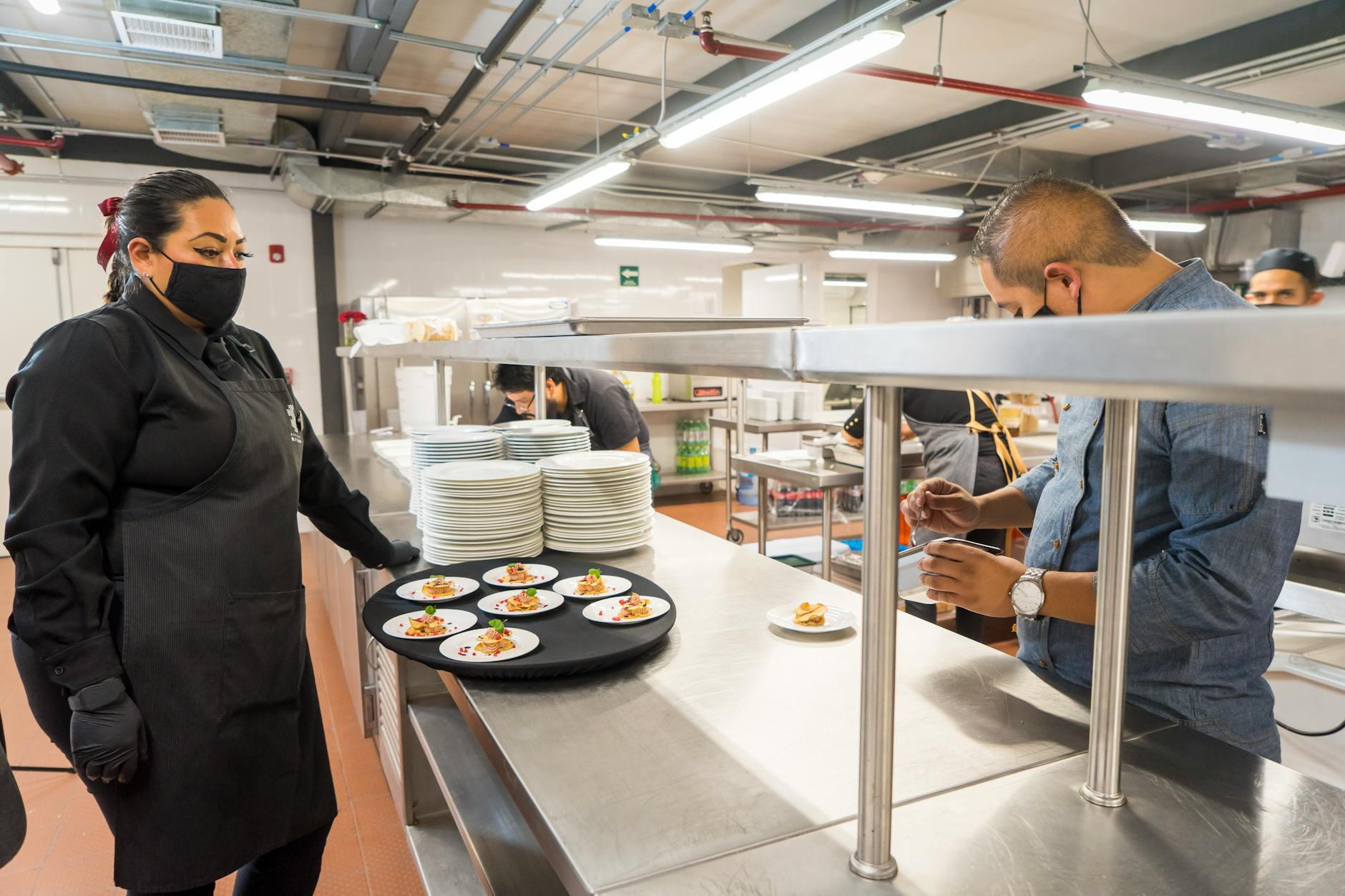
High Commission Fees Eat Into Already Thin Margins
Third-party delivery platforms typically charge restaurants commission fees ranging from 15% to 30% per order, creating an immediate drain on revenue. For ghost kitchens that depend entirely on these platforms, there’s no escape from this cost structure.
CloudKitchens, the delivery-focused kitchen startup backed by Uber co-founder Travis Kalanick, has seen tenant turnover as operators struggle with the economics. Many ghost kitchen brands discover that after paying platform fees, food costs, labor, and rent, little remains for profit or growth investment.
The commission structure becomes particularly challenging for ghost kitchens offering lower-priced menu items. A $12 burger that generates $3.60 in platform fees leaves minimal room for profit after covering a $4 food cost and labor expenses. Traditional restaurants can offset delivery losses with higher-margin dine-in sales, but ghost kitchens lack this revenue diversity.
Some operators have attempted to build direct ordering systems to bypass third-party fees, but customer acquisition costs often prove prohibitive. Without established brand recognition, ghost kitchens find it difficult to drive traffic to proprietary apps or websites, forcing continued reliance on major delivery platforms.
Operational Costs Exceed Initial Projections
Ghost kitchens promised reduced overhead compared to traditional restaurants, but operational realities have revealed hidden expenses. Rent for commercial kitchen space, while lower than prime retail locations, still represents a significant fixed cost that must be covered regardless of order volume.
Labor costs have proven particularly challenging. Ghost kitchens still require skilled kitchen staff, prep cooks, and management, but without the front-of-house revenue stream that helps traditional restaurants justify these expenses. Many operators underestimated the staffing needs required to maintain quality and speed across multiple virtual brands operating from the same kitchen.
Equipment maintenance and technology costs add another layer of complexity. Ghost kitchens rely heavily on point-of-sale systems, kitchen display screens, and inventory management software. When these systems malfunction, operations can halt completely, unlike traditional restaurants that can continue serving walk-in customers.
Insurance costs have also exceeded expectations, as commercial kitchen insurance rates have risen significantly across the food service industry. The delivery-only model doesn’t reduce liability exposure as much as initially anticipated, particularly regarding food safety and worker compensation claims.

Market Saturation Creates Fierce Competition
The rapid proliferation of ghost kitchens has created oversupply in many markets. Major cities now host dozens of virtual restaurant brands competing for the same delivery customers, driving down prices and increasing marketing costs.
Customer acquisition has become increasingly expensive as ghost kitchens compete not only with each other but also with established restaurant chains that have added delivery capabilities. Brand recognition remains a significant advantage in the crowded delivery marketplace, leaving newer ghost kitchen concepts struggling for visibility.
Menu engineering has become crucial as operators attempt to differentiate their offerings while maintaining profitability. Some ghost kitchens have found success with premium menu items that can absorb delivery fees while maintaining attractive margins, but this approach limits market reach to higher-income demographics.
The challenge extends beyond individual ghost kitchen operators to the shared kitchen facilities themselves. Companies like Kitchen United and REEF Technology have invested heavily in kitchen infrastructure, but tenant turnover rates remain high as restaurant brands test and abandon virtual concepts that fail to achieve profitability.
Scaling Strategies Show Mixed Results
Successful ghost kitchen operators have discovered that scale alone doesn’t guarantee profitability. While operating multiple virtual brands from a single kitchen can spread fixed costs, it also increases complexity and potential for operational errors.
Some ghost kitchens have found success by focusing on specific cuisine types or meal occasions that travel well and maintain quality during delivery. Comfort foods, Asian cuisine, and dessert concepts have shown stronger performance than items requiring precise timing or temperature control.
Partnership strategies have emerged as one path to sustainability. Some ghost kitchen operators have begun licensing established restaurant brands rather than creating new concepts from scratch. This approach provides immediate brand recognition but requires revenue sharing that further pressures profit margins.
The most successful operators have invested in data analytics to optimize menu pricing, identify peak demand periods, and reduce food waste. However, these technology investments require upfront capital that many struggling ghost kitchens cannot afford.

Industry Consolidation Appears Inevitable
As venture capital funding tightens and profitability pressure mounts, industry experts predict significant consolidation in the ghost kitchen sector. Operators that cannot demonstrate sustainable unit economics face closure or acquisition by better-capitalized competitors.
The survivors will likely be ghost kitchens that have achieved genuine operational efficiency advantages or built strong brand recognition in specific market segments. Some traditional restaurant chains have launched successful ghost kitchen concepts by leveraging existing brand equity and operational expertise.
Looking ahead, regulatory changes could impact the industry structure. Some cities are considering restrictions on ghost kitchens in response to neighborhood complaints about delivery traffic and commercial activity in residential areas.
The ghost kitchen model will continue evolving, but the current shakeout phase will determine which operators can build truly profitable delivery-first restaurant businesses. Success will require more than just eliminating dining rooms – it demands reimagining restaurant operations for a delivery-centric world while maintaining the financial discipline that the industry has often lacked.
Frequently Asked Questions
Why are ghost kitchens struggling with profitability?
High delivery platform commission fees of 15-30% combined with operational costs leave minimal profit margins for delivery-only restaurants.
What are the main costs for ghost kitchen operators?
Major expenses include platform commissions, commercial kitchen rent, labor, equipment, insurance, and customer acquisition costs.