





Dirt as Defense: Why Farmland Is Back on Institutional Radar
Farmland has never been glamorous. It does not ring closing bells, generate breathless earnings calls, or appear on CNBC ticker feeds. What it does, with quiet consistency, is produce food – and in an environment where inflation has proven more stubborn than most portfolio managers anticipated, that biological reliability is starting to look like a financial virtue.
Farmland REITs – real estate investment trusts that hold agricultural land and lease it to operators – have been attracting a growing share of institutional capital precisely because they sit at the intersection of two things large allocators currently want: hard asset backing and inflation sensitivity. When commodity prices rise, land values and lease rates tend to follow. That mechanical linkage to real-world price levels is not available in most fixed-income vehicles, and it comes without the volatility profile of commodity futures.
The timing is not accidental.

How Farmland REITs Actually Work
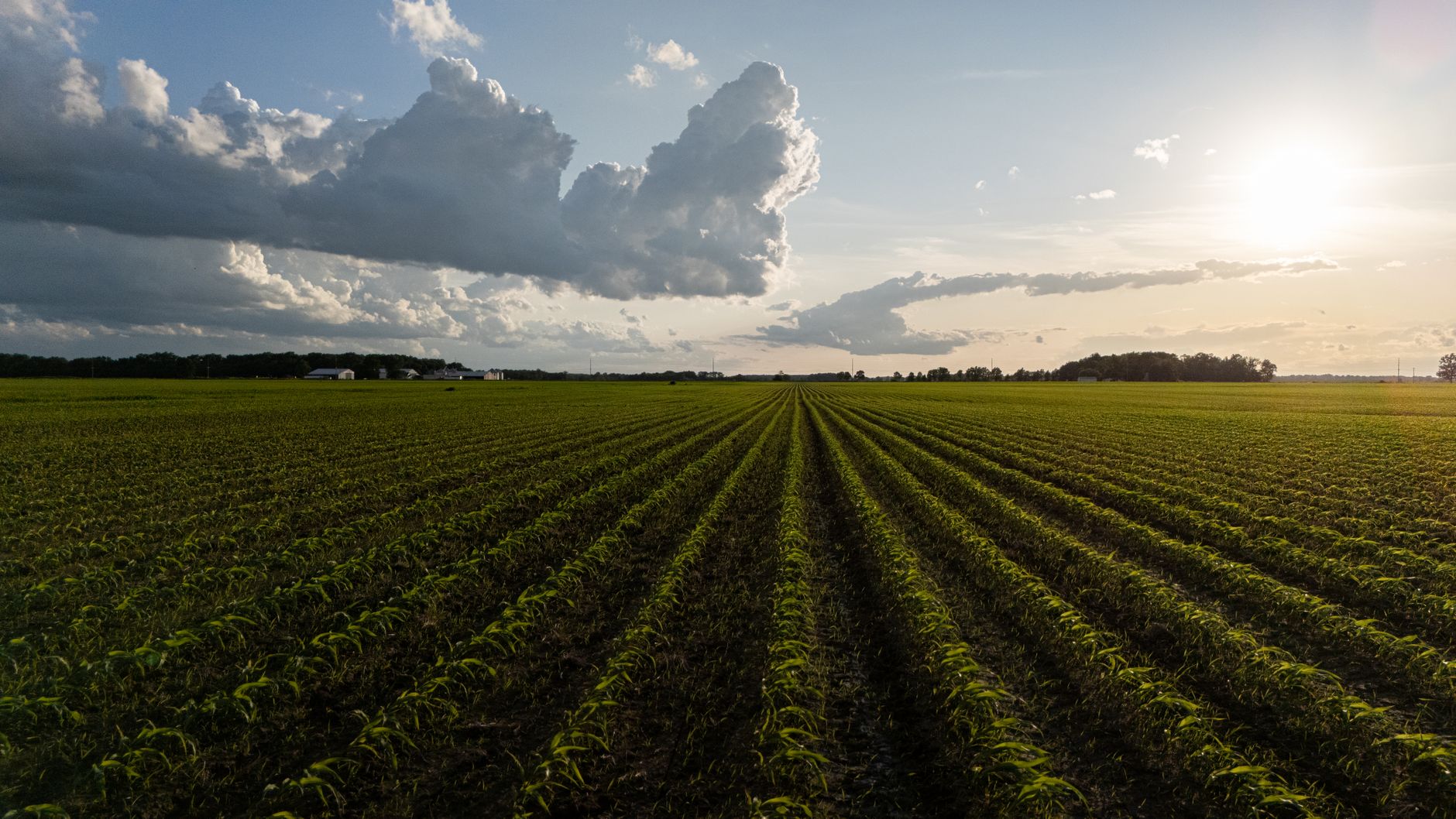
The structure of a farmland REIT is simpler than its returns might suggest. The trust purchases agricultural land – row crops like corn and soybeans, permanent crops like almonds and wine grapes, or a blend of both – and leases that land to farming operators under long-term fixed or variable-rate agreements. The REIT collects rental income, distributes the majority to shareholders as required by law, and benefits from any appreciation in underlying land values over time.
Variable-rate leases, in particular, are the mechanism that connects farmland returns to inflation. When crop prices rise – as they do during supply shocks, currency devaluations, or energy-driven input cost increases – the variable component of lease income adjusts. The REIT does not have to time commodity markets or manage farming operations. It simply holds the land, lets operators take the production risk, and captures a portion of the upside through rent escalators tied to commodity benchmarks or farm revenue.
Permanent crop portfolios introduce a different dynamic. Almonds, pistachios, and wine grapes require years of capital investment before they yield fruit, which means the land itself carries embedded value beyond soil quality – it carries the accumulated cost of planting and establishment. This makes permanent crop farmland more illiquid and capital-intensive, but also more defensible against rapid price compression. A competitor cannot plant an almond orchard and produce nuts next season. That supply constraint tends to hold land values even when broader real estate markets weaken.
What Institutional Allocators Are Actually Buying Into
Pension funds and endowments have long held direct agricultural land through private vehicles – state pension funds in the Midwest were buying Iowa cropland decades before the REIT structure existed. What the REIT format adds is liquidity, regulatory transparency, and accessibility for allocators who cannot commit to ten-year lockup periods. A farmland REIT trades on an exchange. It files quarterly reports. It has audited financials. For compliance teams at large institutions, that matters.
The inflation-hedging argument holds up historically. U.S. farmland values have declined in only a handful of calendar years over the past five decades, and those declines were shallow compared to drawdowns in equities or commercial real estate. The income component – lease revenue – has been relatively stable even during periods of significant commodity price volatility, because most leases are written annually or multi-year, smoothing out short-term price swings. The combination of capital preservation and income stability reads well inside a liability-matching framework.
There is also a supply argument that does not require optimism about any particular commodity. Arable land is not being created. Urbanization converts productive agricultural acres to development regularly, while climate stress is reducing the productive capacity of marginal farmland in certain geographies. High-quality, water-secure cropland in regions like the U.S. Corn Belt or California’s Central Valley is genuinely scarce in a way that office buildings and retail centers are not. Institutional buyers are paying attention to that scarcity premium, particularly as water rights attached to farmland become a separate and increasingly valuable asset in drought-prone regions.
The Risks That Do Not Get Enough Airtime
Tenant concentration is the risk that tends to get buried in farmland REIT pitch decks. Some funds lease significant portions of their acreage to a small number of large farming operators. If a major tenant defaults, restructures, or simply walks away from an unprofitable lease, the income impact is immediate and the replacement timeline – finding a qualified operator and negotiating a new lease – can stretch into multiple quarters.
Commodity price cycles also affect land values with a lag, and that lag works in both directions. The strong farmland valuations of the early 2020s were partly driven by elevated grain prices following supply disruptions. If commodity markets soften materially for a sustained period, lease rates will eventually follow, and land appraisals will reset lower – even if the REIT’s income statement does not immediately reflect that adjustment. Investors who bought into farmland REITs near valuation peaks could face mark-to-market losses that the quarterly distribution check does not fully offset.
Weather and climate exposure is structural, not episodic. A drought year in a concentrated geography does not just hurt crop yields – it can trigger lease renegotiations, damage soil health, and reduce the productive capacity of the underlying asset. REITs that diversify across crop types and geographic regions manage this risk better, but no farmland portfolio is immune to a multi-year weather cycle hitting its core holdings.

What makes farmland REITs genuinely interesting as an inflation hedge is also what makes them imperfect: they are tied to physical assets in specific places, subject to biological and meteorological forces that no financial model fully captures. An institutional allocator buying a 2% position in a farmland REIT is not just buying a yield – they are buying exposure to soil quality in Iowa, water availability in California, and the weather pattern over the Mississippi River basin next growing season. That specificity is the whole point, and ignoring it is how portfolios end up surprised.