




The Quiet Appeal of Hard Assets That Work While You Wait
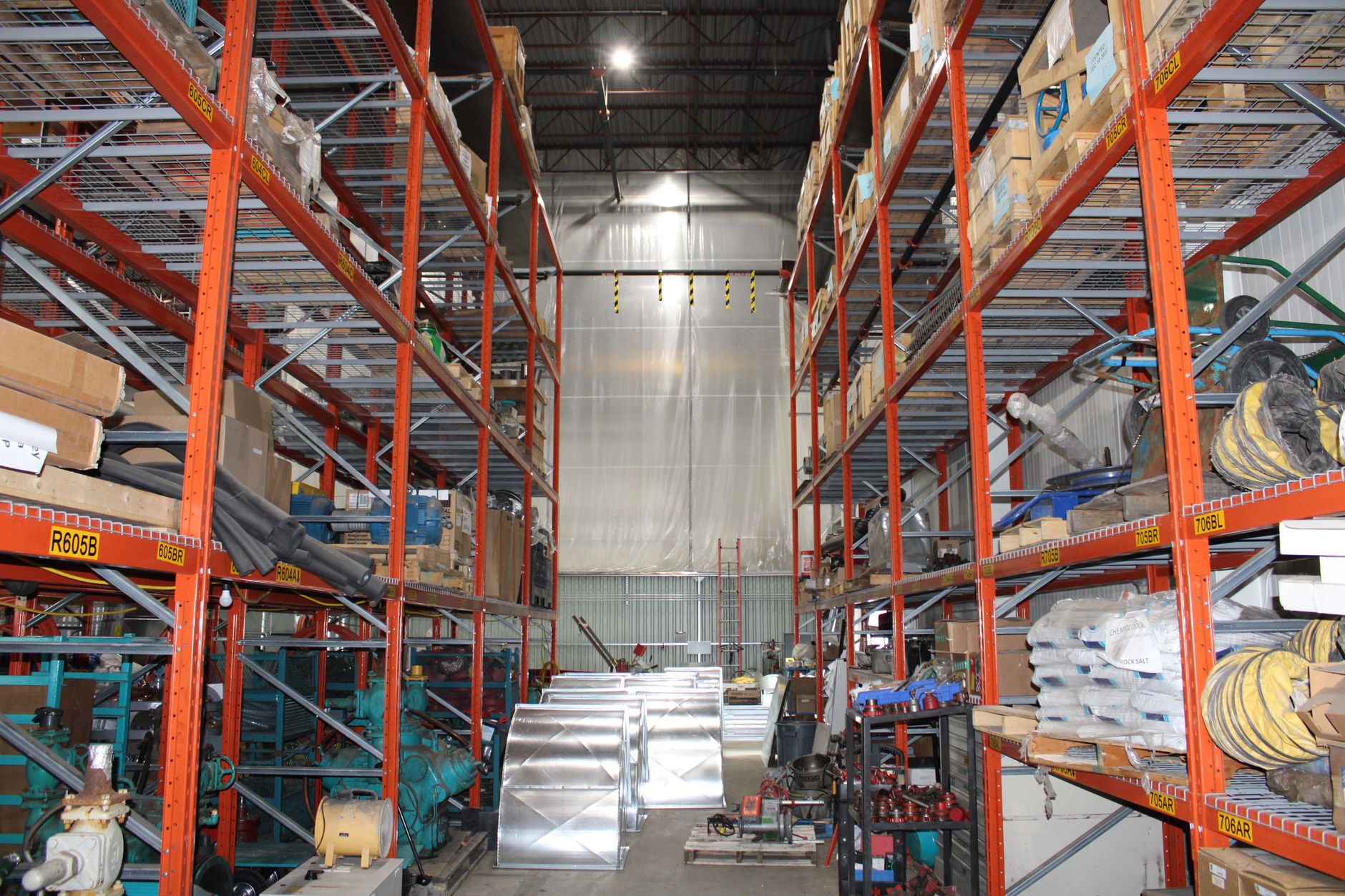
Equipment leasing funds occupy an unusual corner of the income investing universe – one that rarely makes headlines but consistently attracts a specific type of investor: the kind who would rather own the machine that builds the building than bet on the building itself. These funds pool capital to purchase physical equipment – forklifts, medical imaging devices, aircraft ground support gear, manufacturing tools – and lease it back to businesses that need it to operate. The income comes from lease payments, which tend to be contractually fixed and backed by hard collateral that can be repossessed if a lessee defaults.
Middle-market investors, particularly those sitting somewhere between retail mutual fund buyers and institutional allocators with billion-dollar mandates, have been quietly increasing their exposure to this asset class.
The appeal is structural, not speculative. Equipment leasing generates income from the utility of assets rather than from market sentiment, credit spreads, or rate expectations. That distinction matters a great deal when traditional fixed-income yields feel chronically unreliable and equity dividends come with volatility that erodes sleep quality.
Why Equipment Leasing Funds Attract Steady-Income Seekers
The mechanics of equipment leasing create a relatively predictable cash flow profile. When a fund acquires a piece of industrial or commercial equipment and leases it to an operating company, the lessee typically signs a multi-year agreement with fixed monthly payments. Those payments flow back to the fund, and after management fees and operational costs, get distributed to investors. The equipment itself acts as security – if the lessee stops paying, the fund theoretically recovers value by re-leasing or selling the asset. This structure gives equipment leasing funds a risk profile that sits meaningfully below unsecured corporate lending but above the near-zero yields of government paper.
For investors already familiar with senior loan funds and their secured lending mechanics, the logic of equipment leasing will feel recognizable. Both asset classes rely on collateral to backstop credit risk. But equipment leasing has a tactile quality that senior loans lack – the collateral is a physical object with a market, a resale channel, and an intrinsic depreciation schedule that investors can actually model. A diesel generator or an MRI machine does not become worthless overnight.
Funds in this space typically target net yields ranging from mid-single digits to low double digits depending on the credit quality of lessees and the vintage of equipment in the portfolio. The higher end of that range usually involves smaller lessees, shorter asset lives, or specialized equipment with narrower secondary markets. The lower end reflects blue-chip corporate lessees with long-term agreements on widely marketable assets. Neither end is wrong – the right choice depends entirely on how much variability in outcomes an investor can absorb without panic-selling at the worst moment.

Risk Factors That Rarely Get Discussed in the Pitch Deck
Equipment leasing funds are not without complications. Liquidity is the first and most obvious concern. Most vehicles structured to access this asset class are not publicly traded, which means investors cannot simply sell out of a position when market conditions change. Private placement structures, non-traded REITs focused on equipment, and direct participation programs all share this characteristic. An investor who needs their capital back in eighteen months is not a good candidate for most equipment leasing fund structures, which often carry lock-up periods of three to seven years.
Depreciation is the second variable that deserves careful attention. Equipment ages, and aging equipment is worth less on the secondary market. A well-managed fund accounts for this by rotating assets, reinvesting proceeds into newer equipment, or structuring lease terms to recover most of the asset’s value before it becomes a liability. A poorly managed fund lets depreciation quietly erode the portfolio’s net asset value while continuing to distribute income that looks healthy on paper but is actually a partial return of capital rather than pure yield.
The quality of fund management, particularly the experience of the team sourcing leases and managing lessee relationships, determines outcomes in this space more than almost any macro variable. A team with deep origination relationships can find favorable lease terms in industries with strong demand for equipment financing. A team that lacks those relationships ends up competing on price in the most crowded segments, where margins are thin and lessee quality is often lower than it appears at first review. Investors evaluating equipment leasing funds should spend significantly more time on the management biography section than the projected return table.

Where This Fits in a Middle-Market Income Portfolio
Equipment leasing funds work best as a satellite allocation within a broader income strategy – not a core position, but a meaningful one. An investor already holding investment-grade bonds, dividend equities, and perhaps some floating-rate exposure through closed-end bank loan vehicles can use an equipment leasing allocation to introduce a genuinely different return driver – one that responds to business investment cycles rather than credit markets or interest rate policy. The diversification is real because the income source is categorically different: it comes from operational necessity rather than financial engineering.
The middle-market investor audience for these funds tends to share certain characteristics. They are typically accredited investors with enough capital to meet the minimum investment thresholds – often $25,000 to $100,000 per position – and enough patience to hold through the illiquidity period without forcing a redemption. They are often business owners or professionals who intuitively understand why another business would lease rather than buy equipment outright. That conceptual familiarity reduces the anxiety that sometimes drives investors out of alternative positions during rough patches.
What this asset class will not do is deliver the excitement of an equity position or the safety guarantee of an insured deposit. The returns are income-oriented by design, the growth component is modest, and the exit timeline is long. That combination rules out most retail investors and many institutional mandates, which is precisely why the competitive landscape for originating quality leases remains less crowded than other alternative income sectors.
The one question that consistently separates investors who do well in equipment leasing funds from those who do not is whether they read – and understood – the fund’s asset disposition policy before committing capital. What happens to that forklift in year six is not a minor footnote.