





The Quiet Corner of Trade Finance Drawing Serious Money
Commodity trade finance funds have spent years operating below the radar of mainstream allocators. Now, with traditional fixed income delivering uncertain returns and yield pressure mounting across institutional portfolios, a growing number of family offices, pension funds, and alternative asset managers are taking a second look at an asset class that never stopped working.
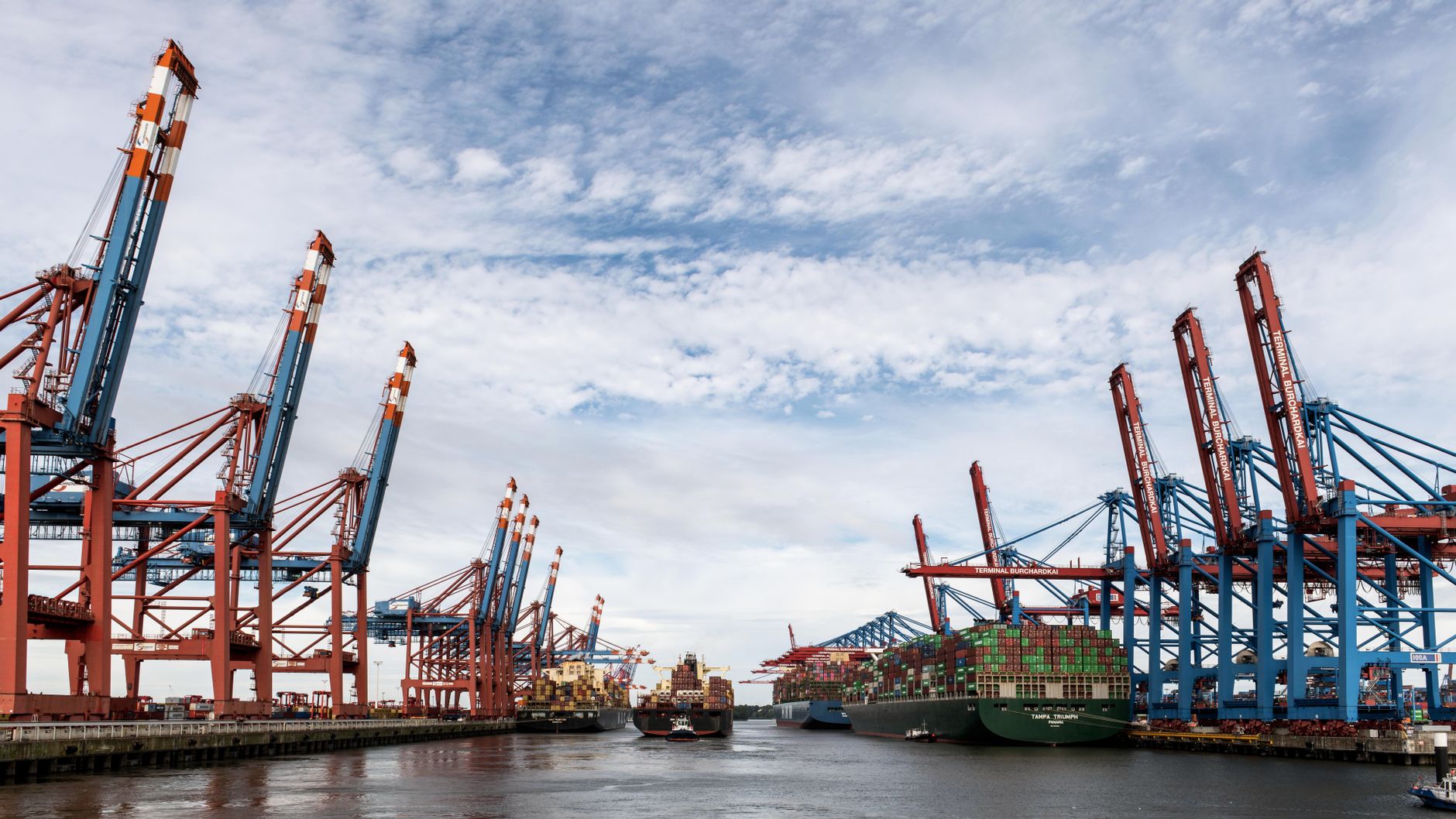
Why Commodity Trade Finance Works as a Yield Source
The basic structure is straightforward. A fund provides short-term financing to commodity traders, producers, or processors who need capital to bridge the gap between purchasing raw materials and receiving payment once goods are sold or delivered. The loan is secured against physical commodities – oil, metals, agricultural products – and typically runs anywhere from 30 to 180 days. Because the underlying goods have real, liquid value and the trade itself generates the repayment, the credit risk profile looks meaningfully different from conventional corporate lending.
The yields on offer reflect that difference. Because commodity trade finance sits outside the reach of most large banks – who pulled back from the space after regulatory capital requirements tightened following the 2008 financial crisis – the market became increasingly reliant on private capital. That shift created a structural supply-demand imbalance, with more demand for financing than available lenders willing to provide it at the right price. The result is a persistent yield premium that has little to do with credit deterioration and everything to do with market access and capital scarcity.
Duration is another attractive feature. Short loan tenors mean a fund can redeploy capital multiple times per year, compounding returns while limiting exposure to long-dated interest rate risk. A 90-day trade finance facility generates income across four cycles annually without locking capital into the years-long illiquidity premium that characterizes private credit or infrastructure debt. For allocators who want yield without the commitment horizon of a 10-year lock-up, that matters.
Self-liquidating structures also provide a degree of built-in downside protection. When a loan is tied to a specific shipment of copper concentrate or a cargo of wheat, the commodity itself serves as collateral. If the borrower defaults, the lender has a claim on physical goods that can be sold. The protection is imperfect – commodity prices move, logistics fail, counterparty disputes arise – but the structure is fundamentally different from unsecured lending or equity-style exposure.
What Allocators Are Actually Signing Up For
The appeal is real, but commodity trade finance is not a simple product. Funds in this space require genuine operational infrastructure: commodity price monitoring, shipping documentation review, warehouse receipt verification, and counterparty due diligence across often-opaque supply chains. A fund manager without deep origination networks and on-the-ground relationships in key trading hubs is not going to source quality deals. This is a space where manager selection drives outcomes far more than broad market beta.
Fraud risk is a legitimate concern and one that allocators would be foolish to dismiss. Several high-profile collapses in the commodity finance space over the past decade – involving fabricated warehouse receipts and double-pledged inventories – reminded the market that physical collateral is only as reliable as the verification behind it. The funds that emerged from that period with reputations intact are typically those that invested heavily in independent inspection, third-party logistics verification, and conservative loan-to-value ratios. Institutional-grade due diligence on the fund manager has to include a thorough review of how they authenticate collateral, not just how they model returns.
Liquidity terms vary widely across the fund universe. Some vehicles offer quarterly redemptions; others run as closed-end structures with defined maturities. The short duration of underlying loans does not automatically translate to investor liquidity, because fund managers need to maintain a pipeline of deployed capital to keep the engine running. Allocators who treat commodity trade finance as a near-cash substitute are misreading the product. It belongs in the alternatives bucket, evaluated on the same liquidity-adjusted basis as private credit or specialty finance.

Correlation characteristics are a genuine draw. Commodity trade finance returns are driven primarily by trade volumes and the financing spread, not by equity markets or sovereign bond dynamics. During periods of equity volatility, a well-structured trade finance book tends to continue performing because global commodity flows do not stop when stock markets correct. That diversification quality has become more valuable to multi-asset allocators managing portfolios where traditional safe-haven bonds no longer reliably offset equity drawdowns. The relationship between inflation expectations and commodity prices also means that trade finance exposure carries a degree of natural inflation sensitivity that some allocators find useful.
The emerging market dimension deserves specific attention. A substantial portion of commodity trade finance activity involves producers and traders in Africa, Southeast Asia, and Latin America – regions where local banking systems lack the depth to fully service working capital needs. This geographic concentration introduces sovereign risk, currency risk, and operational complexity. It also introduces return potential that is difficult to replicate through conventional fixed income. Allocators with no existing EM exposure need to think carefully about whether a commodity trade finance fund is the right way to get it, or whether they are underwriting complexity they are not equipped to monitor.
Where the Risk-Reward Case Gets Complicated
Commodity price volatility cuts both ways. When collateral values drop sharply – as they did during periods of acute oil price dislocation – the margin of safety embedded in loan-to-value ratios compresses. A fund that originated loans against oil cargoes valued at $80 per barrel faces a different collateral coverage picture when prices drop to $55. Conservative managers build in buffers and maintain hedging discipline; less conservative ones rely on prices staying range-bound. In a market where commodity cycles can move fast and hard, that distinction becomes material quickly.

Fee structures in this space are not always transparent. Management fees, origination fees, and performance allocations can stack up in ways that erode net returns substantially compared to headline yield. An allocator presented with a gross yield of 10-12% needs to work backward carefully through the full fee waterfall before deciding whether the net return justifies the complexity and the risk. The funds that are genuinely worth considering are not necessarily the ones promising the highest gross numbers – they are the ones with clear documentation, audited track records, and fee structures that align manager incentives with investor outcomes.