



The Quiet Return of a Big Bet
After years of false starts and spectacular blowups, the commodity supercycle trade is back on the radar of some of the world’s largest macro hedge funds – and this time, the conviction is building more quietly, more deliberately, and with considerably more structural backing than the last time around.
What Is Driving the Renewed Interest
A commodity supercycle is not simply a bull market in raw materials. It is a multi-year, sometimes multi-decade period in which broad commodity prices rise persistently above their long-run averages, typically driven by a structural mismatch between supply capacity and demand growth. The classic modern example ran from roughly 2000 to 2014, powered by China’s infrastructure buildout. What macro funds are now watching is whether a new wave of demand – driven by electrification, defense spending, and reshoring of industrial supply chains – is creating a similar setup.
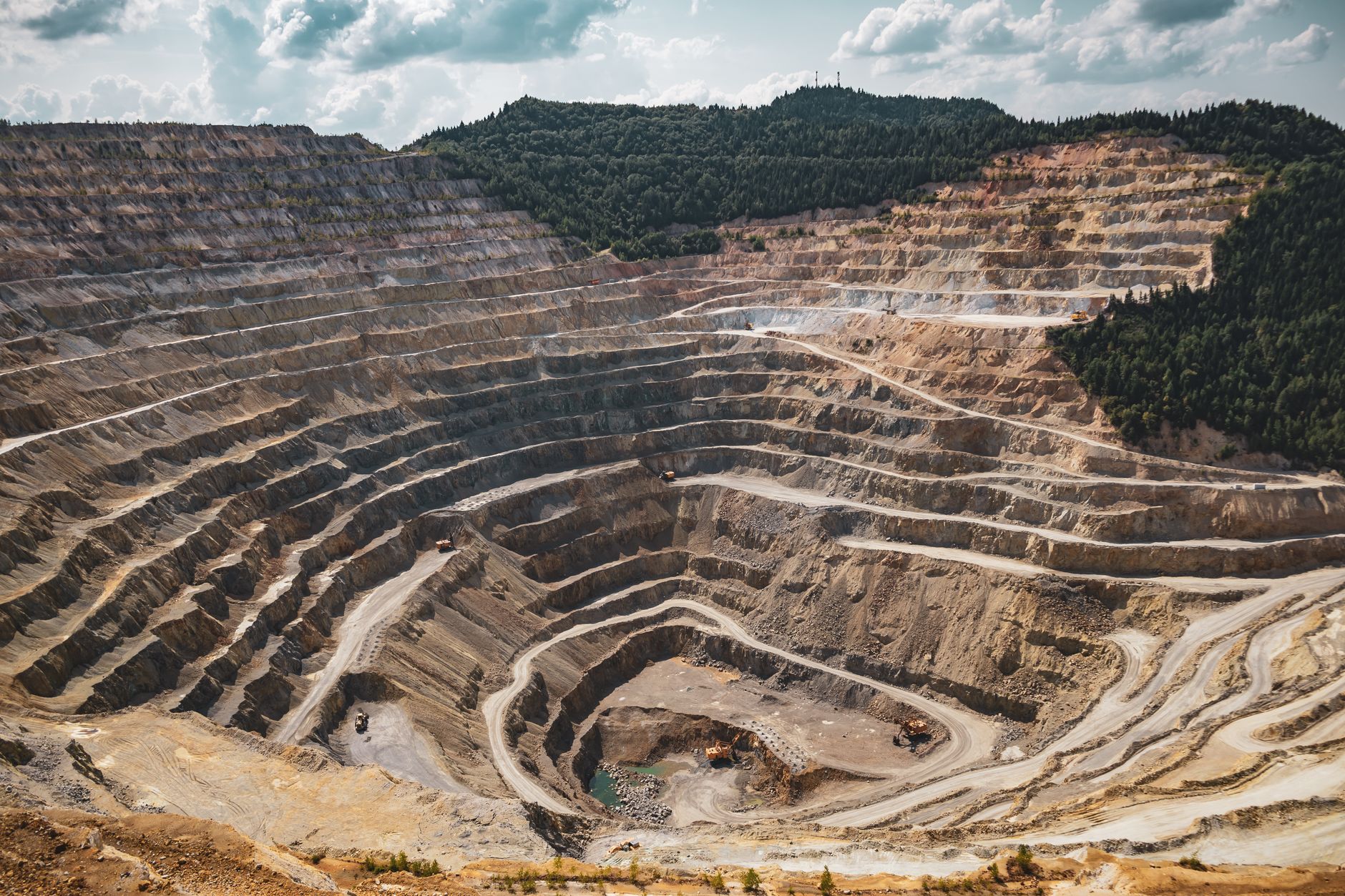
The supply side of the argument is arguably more interesting than the demand side. A decade of underinvestment in mining, drilling, and refining capacity has left many commodity sectors with very little buffer. Copper is the most cited example: the world’s electrical grid transition requires enormous volumes of the metal, yet new copper projects take anywhere from ten to twenty years from discovery to production. That timeline mismatch does not resolve quickly, and hedge funds positioning in commodities are effectively betting that prices will have to rise far enough and for long enough to incentivize the capital spending the market has been deferring.
Energy markets tell a similar story. Despite the rhetorical push toward renewable energy, global oil and gas demand has proven more durable than many projections suggested. Upstream capital expenditure by major oil companies remains well below the peaks of the previous cycle, even as geopolitical disruptions have made supply reliability a national security concern in multiple regions. The result is a market that looks structurally tighter than its current spot price would imply – exactly the kind of setup that attracts macro traders who specialize in mean reversion and structural mispricing.
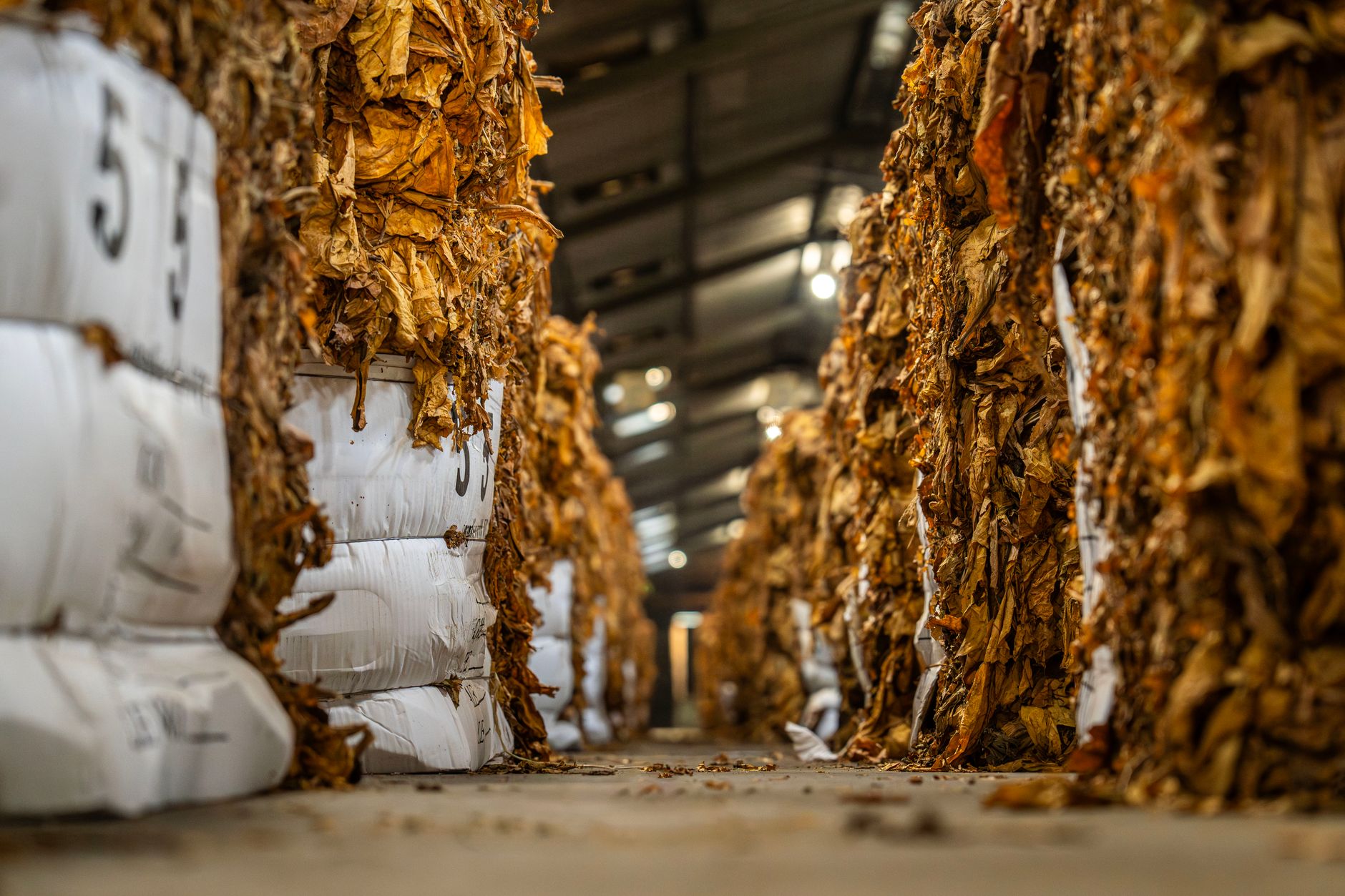
Agricultural commodities are the third leg of this thesis, and the one that gets the least attention in financial media. Soil degradation, water scarcity, and climate variability are compressing yields in key growing regions. Fertilizer costs, which spiked violently in 2022, have partially normalized but remain elevated relative to the prior decade. Food security has moved from a humanitarian talking point to a government procurement priority in multiple regions, and that shift in buyer behavior – from just-in-time to strategic stockpiling – creates a persistent floor under agricultural commodity prices that did not exist five years ago.
How Macro Funds Are Positioning
The positioning itself is notable for what it is not. This is not the retail-facing, ETF-driven commodity frenzy of 2021 and 2022, when inflation hysteria pushed every individual investor toward oil and gold. The current buildup is happening primarily through futures curves, options structures, and commodity-linked equities – instruments that require more sophistication and carry more specific directional views. Several large macro funds have been reported building long positions in copper futures while simultaneously shorting the equities of companies most exposed to commodity cost inflation, creating a spread trade rather than a simple directional bet.
Options markets are showing elevated interest in longer-dated calls on copper, crude oil, and certain agricultural futures. That is a meaningful signal because longer-dated options are expensive to hold and carry significant time decay, meaning buyers are expressing a view that goes beyond the next quarterly report. When a fund pays up for 12 or 18-month optionality on a commodity, it is not making a short-term macro call – it is expressing a structural view about where supply and demand will be in a year or more.
Gold occupies an unusual position in this thesis. Some macro funds treat it as a commodity supercycle play; others treat it as a currency hedge against dollar debasement and fiscal instability. What is clear is that central bank buying of gold – particularly from institutions in the Middle East, Asia, and the BRICS-adjacent economies – has become a persistent structural bid that did not exist at this scale during the previous cycle. That changes the price dynamics in ways that make simple historical comparisons less reliable.
There is also a currency dimension that sophisticated funds are folding into their commodity positioning. Commodity prices are denominated in dollars, meaning that a weaker dollar environment tends to support higher nominal commodity prices even when real demand is unchanged. With U.S. fiscal deficits running at levels that historically precede currency depreciation, some macro managers are treating long commodities as a form of dollar short – a hedge against policy-driven currency weakness rather than a pure demand-growth bet. That framing changes the risk calculus significantly, because it means the trade does not necessarily require robust global growth to pay off.
The risks are real and worth naming directly. Supercycle theses have a long history of attracting capital at exactly the wrong moment. The 2010-2014 period saw enormous flows into commodity-linked assets just as Chinese growth was beginning to decelerate, and the subsequent commodity bear market was brutal and prolonged. If global growth disappoints, if the energy transition moves faster than infrastructure timelines suggest, or if a major demand shock hits emerging markets, the structural supply argument becomes far less actionable. A tight supply setup only matters if demand holds.
The Spread Trade Logic
What separates the current positioning from the more reckless commodity bets of prior cycles is the emphasis on relative value rather than outright direction. Macro funds are not simply buying commodity futures and waiting for prices to rise. They are building complex structures that profit from divergences between related assets – the spread between copper miners and copper futures, the differential between energy producers and energy consumers, the gap between commodity currencies and their historical purchasing power parities. This approach generates returns from structural dislocations rather than from correctly predicting the absolute price level of oil or gold.

That kind of spread thinking is precisely what separates a macro hedge fund strategy from a simple commodities bet – and it is why some of the same funds that got burned in 2014 are back at the table with a different set of tools. The question hanging over all of it is whether the current geopolitical and industrial environment is different enough from prior cycles to sustain the thesis through the inevitable volatility, or whether the next growth scare will once again force a painful unwind before the structural story has time to play out.
Frequently Asked Questions
What is a commodity supercycle?
A commodity supercycle is a prolonged period – often spanning years or decades – during which broad commodity prices rise persistently above long-run averages due to structural supply and demand imbalances.
Why are hedge funds betting on a new commodity supercycle now?
A decade of underinvestment in mining and energy production has created tight supply conditions, while demand from electrification, reshoring, and defense spending continues to grow, creating the kind of structural mismatch that historically drives sustained price increases.