



Supply Disruptions Are Rewriting the Commodity Playbook
When geopolitical friction tightens shipping lanes, crop yields disappoint across multiple continents in the same season, or energy infrastructure faces unexpected outages, commodity prices stop behaving like textbook economics and start behaving like weather. That volatility – unpredictable, occasionally violent, and disconnected from equity market cycles – is exactly what has been drawing fresh capital into commodity exchange-traded funds over the past several months. Investors who spent years treating raw materials as a niche allocation are reconsidering that position.
The appeal is straightforward: commodity ETFs offer exposure to physical goods and futures markets without the complexity of direct futures trading or the capital requirements of owning physical assets. For retail and institutional investors alike, they have become a practical way to position for supply-driven price swings. As those swings grow more frequent and more pronounced, the case for holding at least some commodity exposure gets harder to dismiss.
What Is Driving the Supply Shock Cycle
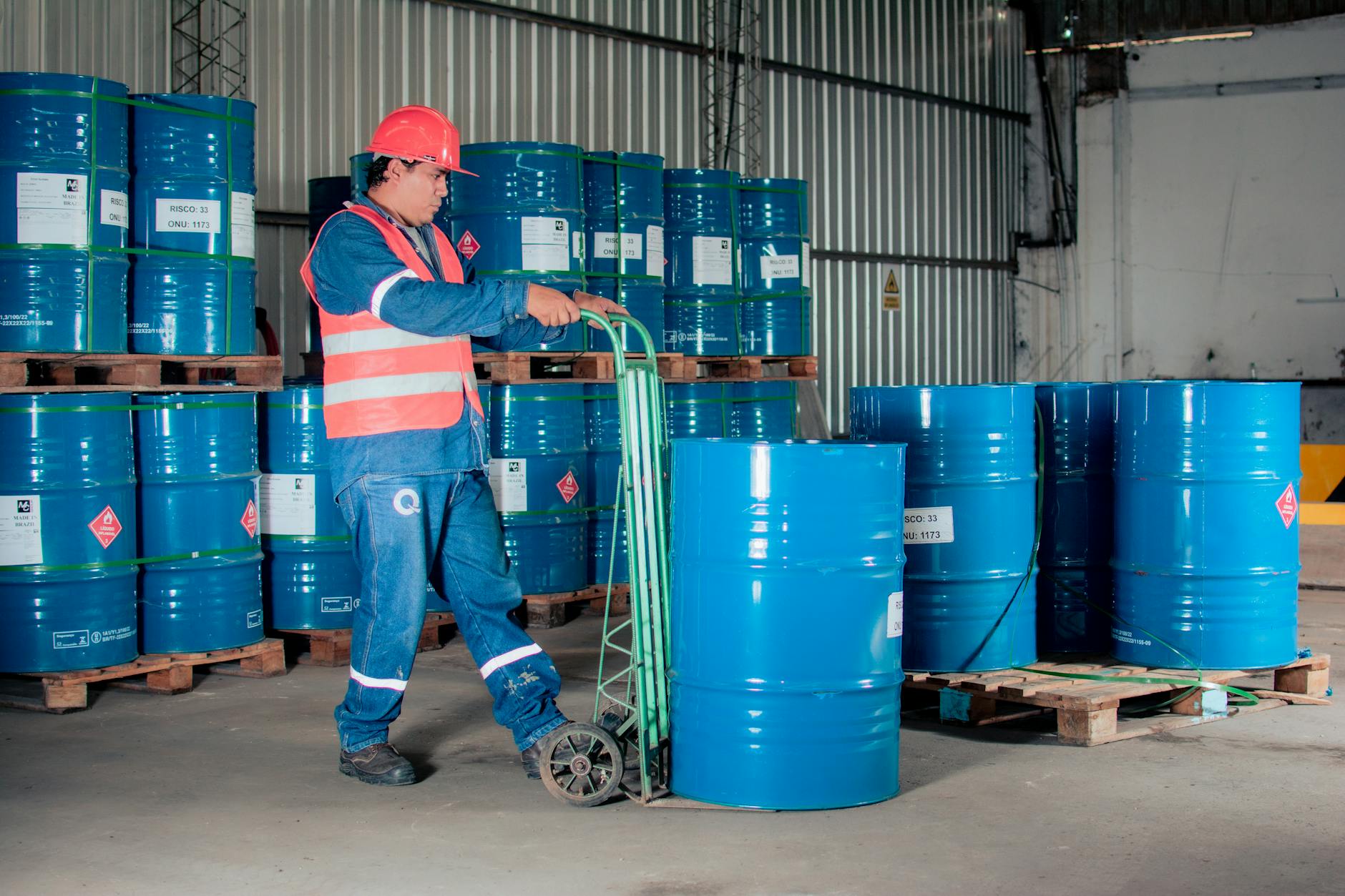
Supply shocks are not new, but their frequency has increased in ways that make historical price patterns less reliable as guides. Agricultural commodities face pressure from shifting weather patterns that disrupt planting and harvest cycles in major producing regions. Energy markets remain sensitive to policy decisions, pipeline disruptions, and production quota changes from major exporters. Metals used in industrial manufacturing and battery technology face their own structural constraints, where mining capacity cannot be scaled up quickly enough to meet demand surges.
The result is a commodity landscape where the traditional assumption – that supply will eventually catch up to demand, smoothing prices over time – no longer holds as reliably as it once did. Multi-year lead times for new mining operations, agricultural land constraints, and the geopolitical complexity around energy infrastructure mean that supply responses are slow while demand signals shift fast. That gap between slow supply and fast demand is where price spikes live, and where commodity ETF inflows tend to accelerate.
How Investors Are Using Commodity ETFs Right Now
Broad commodity ETFs, which track baskets of energy, metals, and agricultural products through futures indices, have attracted capital from investors looking for inflation hedging that does not depend on any single commodity story playing out correctly. Diversification across commodity classes reduces the risk of being wrong on one sector while still capturing the general theme of physical goods outperforming financial assets during supply-constrained periods.
More targeted allocations have also grown. Energy-focused ETFs, particularly those with exposure to crude oil and natural gas, attracted attention as LNG supply tightness and ongoing production decisions kept energy prices elevated in real terms. Precious metals ETFs – gold and silver in particular – benefit from a separate but overlapping dynamic, where supply concerns interact with currency debasement fears to push demand higher from both institutional and retail buyers.
Agricultural commodity ETFs occupy a different risk profile. Soft commodities like wheat, corn, and soybeans can swing sharply on a single growing season’s news, making them higher-volatility instruments within the broader category. Some investors use them tactically, entering after confirmed supply disruptions and exiting once the market prices in recovery. Others hold them as part of a diversified commodity sleeve, accepting the volatility in exchange for exposure to food inflation themes that have proven persistent.
Industrial metals ETFs – copper, aluminum, nickel – have drawn particular interest from investors who believe the energy transition will maintain structurally elevated demand for years. The argument here is less about short-term supply shocks and more about a demand floor that keeps prices supported even as cyclical headwinds come and go. That longer time horizon has made industrial metals a more comfortable hold for investors who are not comfortable timing short-term commodity swings. For those building diversified alternative sleeves, commodity ETFs sit alongside instruments like liquid alternative funds as a way to reduce correlation to traditional equity and bond returns.
The Mechanics That Matter Before You Buy
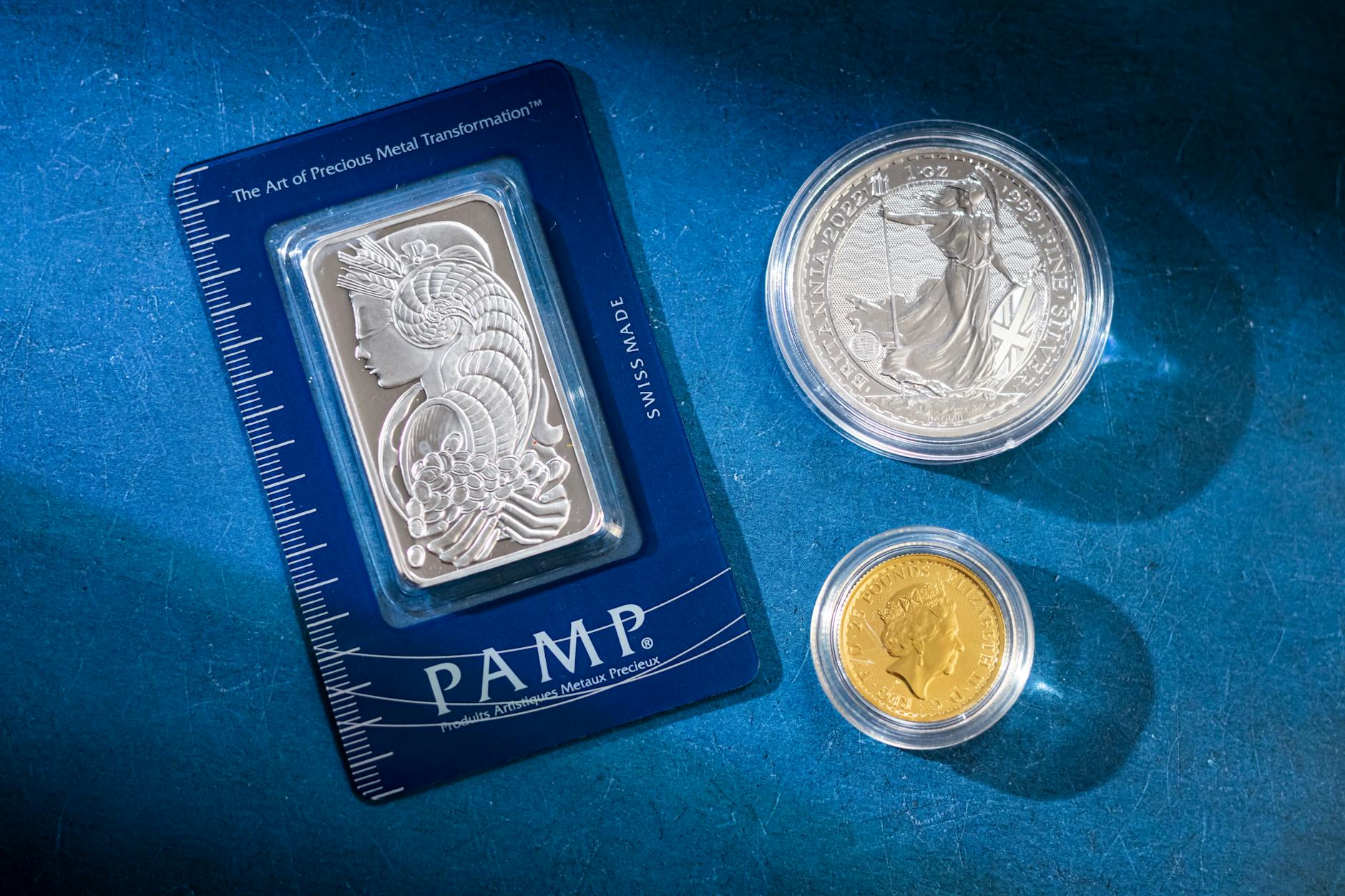
Commodity ETFs are not all built the same way, and the structural differences have a direct impact on returns. Physically-backed ETFs – most common in gold and silver – hold the actual metal in custody. Their performance tracks spot prices closely, making them the cleaner expression of the price thesis. Futures-based ETFs, which cover most other commodities, introduce roll costs: as near-term futures contracts expire, the fund must buy the next contract, sometimes at a higher price. When futures curves slope upward (contango), this rolling process erodes returns over time even when spot prices are flat or rising modestly.
Understanding the futures curve structure of any commodity you are considering is not optional – it is the difference between a position that performs as expected and one that quietly bleeds value in a sideways market. Some ETF providers use optimized roll strategies to reduce this drag, selecting contracts further out on the curve where the slope is less steep. These strategies add a layer of complexity but can meaningfully improve long-term performance compared to simple front-month rolling. Reading the fund’s methodology document, not just the marketing summary, is where that distinction becomes visible.
Risk Factors That Do Not Get Enough Attention
Commodity ETFs carry concentration risk that is easy to underestimate when looking at a broad index label. Some “diversified” commodity indices are heavily weighted toward energy, meaning that a crude oil price collapse can dominate the fund’s performance regardless of how other commodity classes are performing. Checking actual index weights before assuming genuine diversification is a basic step that many retail investors skip.
Currency exposure is another often-overlooked variable. Most global commodities are priced in U.S. dollars, so a strengthening dollar can suppress commodity prices in dollar terms even when underlying physical demand is strong. Investors outside the United States face an additional layer of currency translation that can amplify or dampen returns independently of commodity market moves.
Tax treatment for commodity ETFs also varies by structure and jurisdiction in ways that can surprise investors at year-end. Funds structured as partnerships, common for some futures-based commodity products, may generate K-1 tax forms and pass through gains even in years when an investor did not sell any shares. That administrative complexity is manageable, but discovering it after the fact is an unnecessary headache. The more pressing question for active commodity ETF investors right now is whether the current supply shock cycle is a temporary disruption or a structural feature of the decade ahead – because that answer determines whether these allocations belong in a tactical trade or a long-term strategic position.
Frequently Asked Questions
Why are commodity ETFs attracting more investment right now?
Persistent supply disruptions across energy, agriculture, and metals have pushed commodity prices higher and made raw materials attractive as an inflation hedge and diversifier from equities.
What is the main risk with futures-based commodity ETFs?
Roll costs in contango markets can erode returns over time, even when spot prices rise. Understanding the fund’s roll strategy before investing is essential to avoid unexpected performance drag.