





The Quiet Trade Gaining Attention
Closed-end infrastructure funds have spent the better part of two years trading at discounts that would make a value investor’s eyes water – some sitting 15 to 20 percentage points below their net asset values while the assets underneath kept collecting tolls, utility payments, and long-term lease income without much drama. The market, fixated on rate trajectories and the punishing effect of higher yields on anything resembling a bond proxy, priced these vehicles like they were going out of style. Now, with rate expectations shifting and investors hunting for income that holds up, those discounts are narrowing – and the move is happening fast enough that some are already asking whether the easy money is gone.
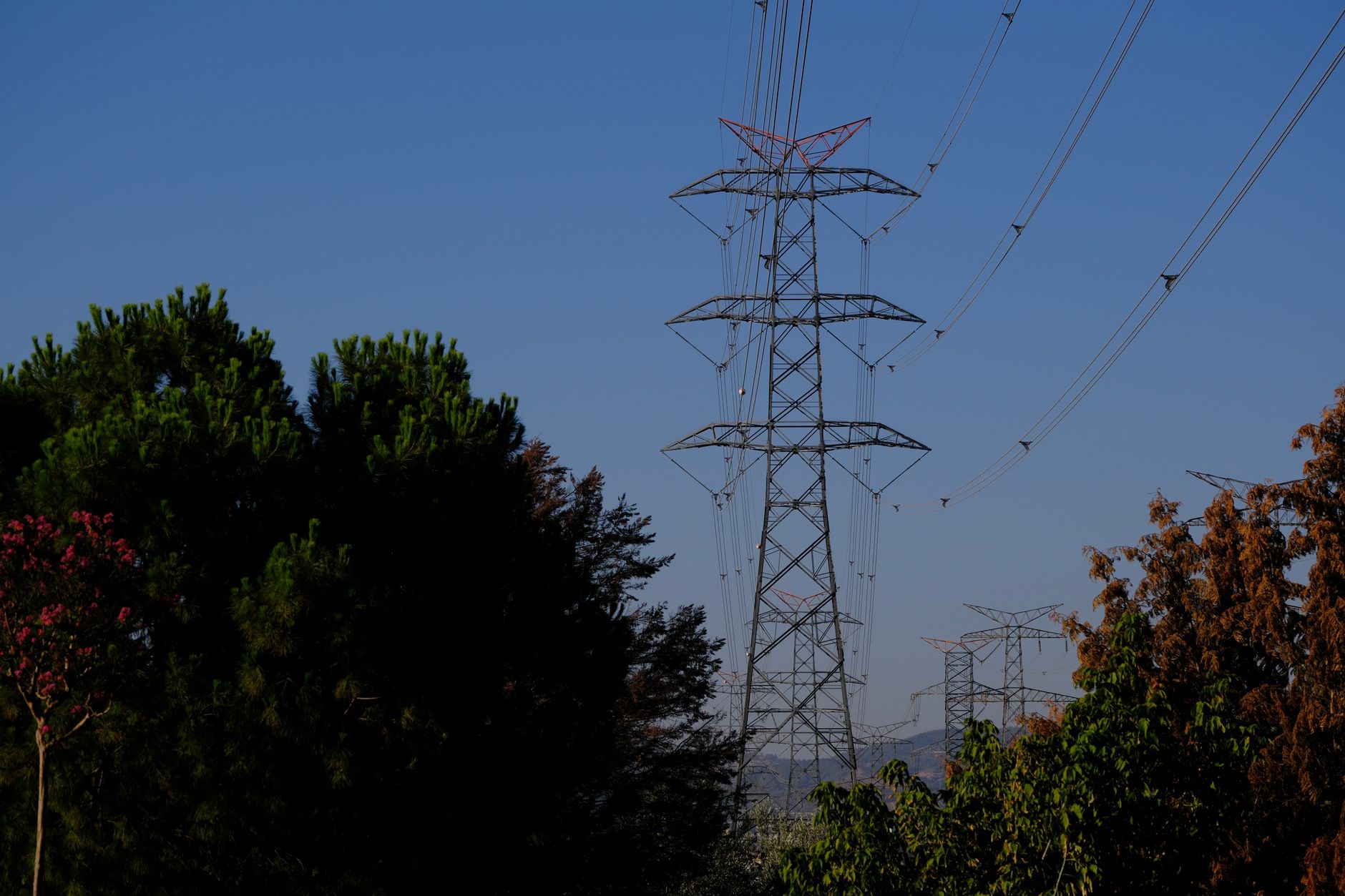
Infrastructure as a category has always occupied an odd corner of the closed-end fund universe. The underlying assets – pipelines, airports, water utilities, cell towers, toll roads – generate cash flows tied to long-duration contracts, often with inflation linkage built in. That profile sounds ideal on paper. But when rates rise sharply, anything with a long duration gets repriced, and closed-end funds amplify that pain through discount widening. The same mechanism that punishes on the way up hands back gains on the way down, which is exactly what appears to be happening now.

How Discounts Form and Why They Close
Closed-end funds trade on exchanges like stocks, which means their share price and their NAV can – and routinely do – diverge. Unlike open-end mutual funds, investors cannot redeem shares at NAV on demand, so the price reflects what the market will actually pay, not what the underlying portfolio is worth on paper. When sentiment turns negative, discounts open up. When it improves, they compress. Infrastructure funds saw their discounts blow out through 2022 and 2023 as rate hikes made their yield profiles look less attractive relative to Treasuries, and as investors rotated out of anything perceived as rate-sensitive.
The mechanics of the current compression are straightforward. Rate expectations in major markets have shifted toward cuts, or at minimum toward a ceiling on hikes. That reduces the relative appeal of risk-free alternatives, makes the income from infrastructure assets look more competitive, and draws generalist income investors back into a space they abandoned. When buying pressure exceeds selling pressure in a closed-end structure, the discount narrows – sometimes faster than the NAV itself moves.

What the Underlying Assets Are Actually Doing
While the discount story plays out in market pricing, the fundamental picture inside these funds has remained more stable than the share price volatility suggested. Infrastructure assets by design are insulated from short-term economic noise. A regulated utility collects its rate base return regardless of whether equity markets are up or down. A toll road charges what its concession agreement allows, often with CPI-linked escalators. A contracted renewable energy facility sells power at a fixed price for fifteen or twenty years. These are not businesses that suffer when credit spreads widen or when a tech sector rotation happens.
That fundamental stability is precisely why the discount-to-NAV setup attracted attention from a subset of investors who kept buying the underlying funds through the drawdown. The thesis was simple: if the assets are fine and the discount is wide, you are buying $1.00 of infrastructure for $0.83 or $0.80, collecting a distribution along the way, and waiting for sentiment to normalize. The distribution coverage also stayed intact for most funds in the category because cash flows from the underlying assets were not impaired – only the market’s willingness to pay full value was.
The inflation linkage embedded in many infrastructure contracts added another layer to the thesis that took time to be properly appreciated. When inflation ran hot, the same environment that pushed rates up and widened discounts was simultaneously increasing the contractual revenues of the underlying assets. Many funds reported NAV growth through the period even as share prices fell, which had the effect of making the discounts look even more extreme on a fundamental basis. Investors who tracked NAV separately from share price saw the gap and understood it as a mis-pricing rather than a deterioration in asset quality.
There is also a supply-side dynamic worth understanding. Closed-end funds do not issue new shares in response to demand (absent rights offerings or secondary issuances), so when a wave of buyers arrives, the fixed share count means prices adjust rather than supply expanding to meet demand. This structure accelerates discount compression when sentiment turns, which is why the moves in infrastructure CEFs over recent weeks have looked sharp relative to the relatively modest shift in rate expectations that triggered them. The fund structure itself acts as a multiplier.
The risk that sits quietly beneath this recovery is that much of the easy re-rating may already be priced in for the funds that saw the fastest discount compression. Some vehicles that were trading at 18 or 19 percent discounts are now in the single digits, and the mathematical tailwind from further compression is proportionally smaller. For investors arriving now, the thesis depends more on NAV growth from the underlying assets – which is a slower, steadier story – and on distributions holding up, rather than on a sharp price-to-NAV snap-back. Whether rate expectations continue to move in a direction favorable to duration-sensitive assets is, at this point, the single variable that could either extend the trade or stall it before the remaining discounts fully close.