





Goldman Sachs managing director Sarah Chen shifted $50 million of her personal investment portfolio last quarter-not into the latest tech IPO or cryptocurrency fund, but into community development financial institutions. She’s part of a growing wave of wealthy investors discovering that local banks focused on underserved communities offer compelling returns alongside social impact.
This shift represents more than feel-good investing. Community development banks, credit unions, and loan funds are delivering competitive yields while addressing housing shortages, small business capital gaps, and economic development in overlooked markets. As traditional investment options face volatility and wealthy investors seek diversification, these mission-driven institutions are proving their worth as serious financial vehicles.
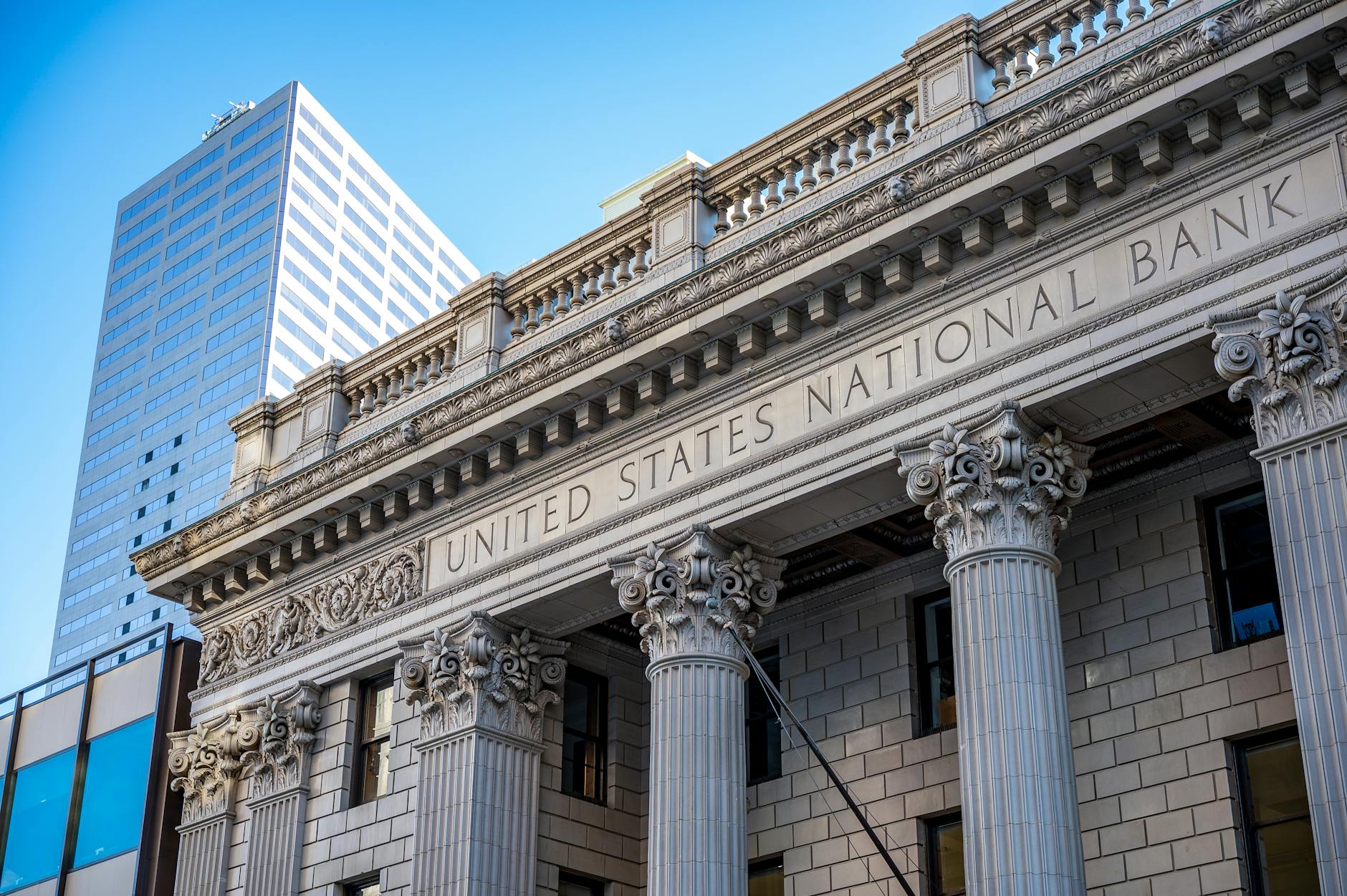
Rising Returns in Forgotten Markets
Community development financial institutions (CDFIs) reported average returns of 6-8% annually over the past three years, often outperforming traditional savings products and matching or exceeding many mutual funds. These institutions focus on lending in low-to-moderate income communities where larger banks see limited profit potential, creating opportunities in undervalued markets.
The math works because CDFIs operate in areas with genuine demand but limited capital supply. A community development bank in Detroit might finance affordable housing projects that generate steady 7% returns through rental income and property appreciation, while a rural credit union’s agricultural loans yield consistent profits from established farming operations.
Unlike the volatile returns many wealthy investors experienced in tech stocks or cryptocurrency over recent years, CDFI investments tend to be secured by real assets-homes, small businesses, and infrastructure projects. This tangible backing appeals to high-net-worth individuals seeking stability after experiencing significant portfolio swings.
The Community Development Bankers Association reports that deposits in member institutions grew by 23% in 2023, with the largest increases coming from individual investors rather than institutional sources. Much of this growth stems from investors discovering that community banks often offer higher interest rates on certificates of deposit and money market accounts compared to major national banks.
Tax Advantages and Investment Incentives
Federal and state governments provide substantial tax incentives for community development investments, making them particularly attractive to wealthy individuals facing high tax burdens. The New Markets Tax Credit program offers up to 39% tax credits over seven years for investments in qualified community development entities, effectively reducing the net cost of investment while generating returns.
Opportunity Zone investments, established through the 2017 Tax Cuts and Jobs Act, allow investors to defer and potentially eliminate capital gains taxes by investing in designated low-income areas. Many community development banks operate in these zones, providing eligible investment vehicles for wealthy individuals looking to optimize their tax situations.
California venture capitalist Michael Torres moved $20 million into opportunity zone funds managed by community development institutions after selling his software company. The investment provides immediate tax deferral on his capital gains while funding affordable housing and small business development in Oakland and Stockton. “I was going to pay those taxes anyway,” Torres explains. “This way, the money works twice-reducing my tax bill and creating actual economic opportunity.”
State-level incentives add another layer of appeal. States like Colorado and Connecticut offer additional tax credits for community development investments, while others provide favorable treatment for investments in rural development or affordable housing projects.

Direct Impact and Relationship Banking
Wealthy investors increasingly value the direct connection between their money and measurable community outcomes. Community development banks provide detailed reporting on how investments translate into specific projects: housing units built, small businesses funded, or jobs created in target communities.
This transparency contrasts sharply with traditional investment products where money disappears into complex financial instruments with unclear ultimate uses. Real estate developer Patricia Kim moved $15 million from various hedge funds into a community development fund after visiting housing projects her investment directly financed in Phoenix. “I can drive by and see exactly where my money went,” Kim notes. “These aren’t abstract financial products-they’re actual homes where families live.”
The relationship aspect appeals to investors accustomed to concierge-level service from private wealth managers. Community development banks often assign dedicated relationship managers to larger investors, providing regular updates on portfolio performance and community impact metrics. This personal touch rivals what wealthy clients receive from major investment firms while offering the satisfaction of visible social outcomes.
Many community development institutions also invite significant investors to participate in loan committees or advisory boards, giving them direct input into funding decisions. This level of involvement attracts entrepreneurs and business leaders who want active engagement with their investments rather than passive portfolio management.
Diversification Strategy Amid Economic Uncertainty
As economic volatility continues and interest rate uncertainty affects traditional investment options, community development banking offers portfolio diversification that moves independently of major market forces. These institutions focus on local economic fundamentals rather than national financial markets, providing some insulation from broader economic swings.
The Federal Reserve’s interest rate policies have created challenges for many investment strategies, with high-yield savings accounts losing ground to Treasury bills as banks adjust their offerings. Community development banks, however, often maintain more stable rate structures because they focus on relationship lending rather than market-rate chasing.
Geographic diversification within community development investing allows wealthy investors to spread risk across different regional economies. An investor might place money with community banks in North Dakota’s oil regions, Michigan’s manufacturing communities, and Mississippi’s agricultural areas, creating exposure to diverse economic drivers while maintaining the community development focus.
The resilience of community-focused institutions during economic downturns adds another diversification benefit. During the 2008 financial crisis, community banks generally weathered the storm better than large national institutions because of their conservative lending practices and local market knowledge.

Building Long-Term Wealth Through Community Investment
The movement of wealthy capital into community development represents a fundamental shift in how high-net-worth individuals view investment success. Rather than seeking maximum short-term returns, these investors increasingly prioritize sustainable, long-term wealth building that creates positive externalities.
This trend aligns with broader changes in investor behavior, including the growth of ESG (environmental, social, and governance) investing and impact investing strategies. Community development banking offers a direct path to measurable social impact without sacrificing financial returns, appealing to investors who want their wealth to serve broader purposes.
As community development institutions grow and prove their financial viability, they’re likely to attract even more sophisticated investment products and services. Some already offer private placement opportunities, real estate investment trusts focused on affordable housing, and small business investment company funds that provide additional tax advantages.
The success of wealthy investors in community development banking is creating a demonstration effect, encouraging others to explore these options. As more high-net-worth individuals share positive experiences and financial results, the movement appears positioned for continued growth throughout the coming decade.
Frequently Asked Questions
What returns do community development banks typically offer?
Community development banks typically offer 6-8% annual returns, often outperforming traditional savings products while providing social impact.
Are there tax benefits for investing in community development institutions?
Yes, investors can receive up to 39% tax credits through New Markets Tax Credit programs and additional benefits through Opportunity Zone investments.