





Margaret Chen never expected her classroom management skills would translate to directing animated characters, but three years into retirement, the former elementary school teacher earns steady monthly checks voicing educational content for learning apps, audiobooks, and corporate training videos. She’s part of a growing trend of retired educators discovering that voice acting offers not just creative fulfillment, but genuine passive income potential through royalty payments.
The voice acting industry has exploded beyond traditional animation studios and radio commercials. Educational technology companies, podcast networks, meditation apps, and corporate training platforms all need authentic, relatable voices. Retired teachers bring natural storytelling abilities, clear diction developed from years of classroom instruction, and patience for multiple takes – qualities that make them surprisingly competitive in this expanding market.
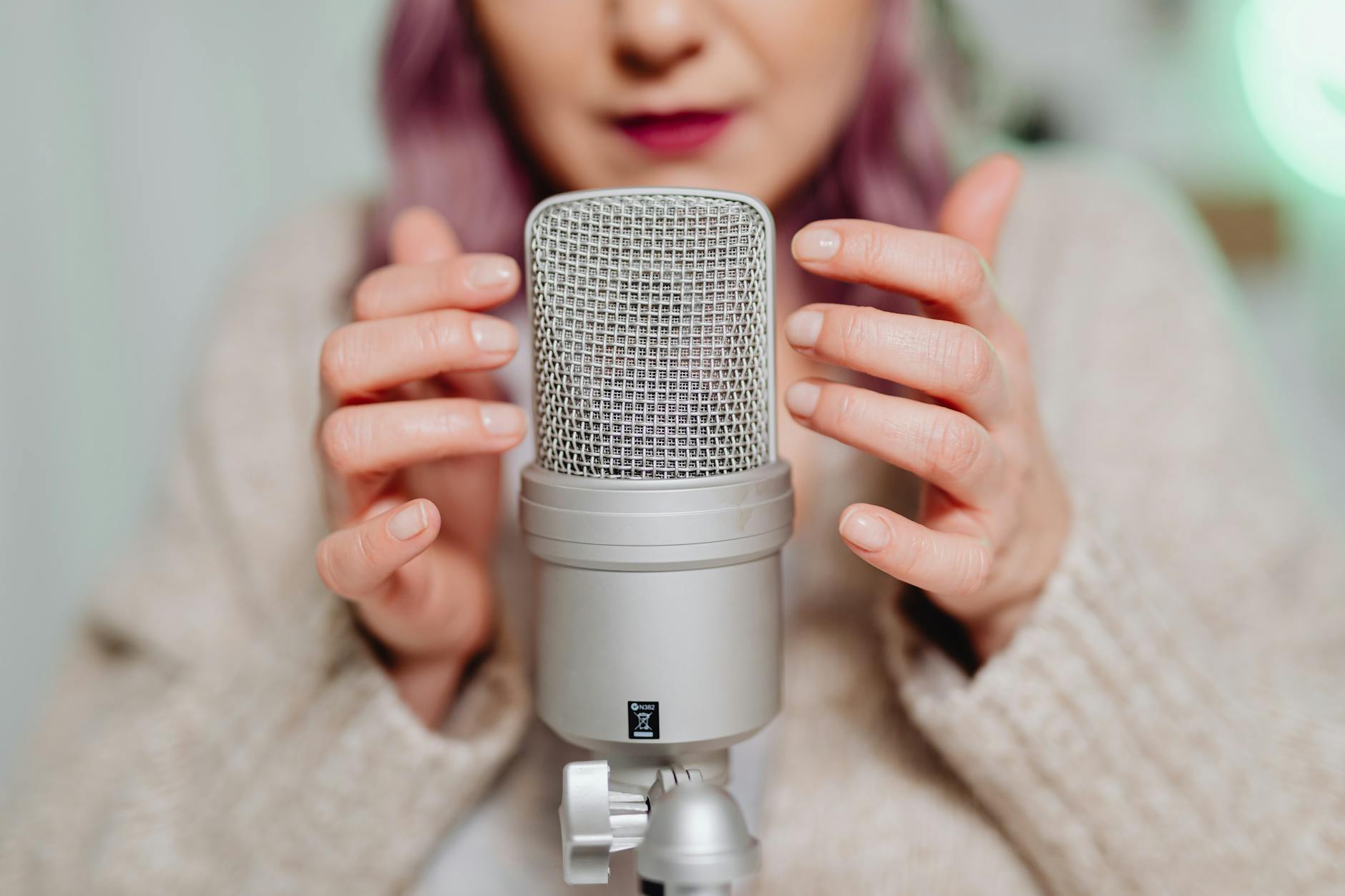
The Education-to-Voice Acting Pipeline
Retired teachers possess built-in advantages for voice work that many don’t recognize. Decades of reading aloud, projecting to back rows, and explaining complex concepts in simple terms create ideal vocal foundations. Patricia Williams, a former high school English teacher from Ohio, discovered this when she began recording audiobook chapters for a local publisher in 2022.
“I thought I was just helping out a friend’s small business,” Williams explains. “Then the royalty checks started arriving every quarter. My voice was on twelve different educational audiobooks, earning passive income while I slept.” Her quarterly payments now range from several hundred to over a thousand dollars, depending on download numbers and streaming usage.
The educational content market particularly values voices that sound trustworthy and knowledgeable without being intimidating. Corporate training modules, language learning apps, and children’s educational content all seek this specific tone – one that retired teachers naturally embody. Many voice casting directors specifically request “teacher-like” voices for these projects.
Voice acting royalties work differently than traditional employment. Instead of one-time payments, actors often receive ongoing compensation based on usage, sales, or streaming numbers. For educational content that remains relevant for years, this creates genuine passive income streams. A single voice acting session for an educational app or audiobook series can generate monthly payments for years.
Multiple Revenue Streams Beyond Traditional Media
The voice acting landscape extends far beyond cartoons and commercials. Meditation and wellness apps like Headspace and Calm regularly hire new voices for guided content. Corporate e-learning platforms need narrators for training videos that play repeatedly across large organizations. Audiobook publishers seek diverse voices for educational and non-fiction content.
Similar to how independent music venues boost profits through podcast recording studios, retired teachers can leverage multiple income streams from single skill sets. Many combine traditional audiobook narration with corporate voice work, app content, and educational video narration.
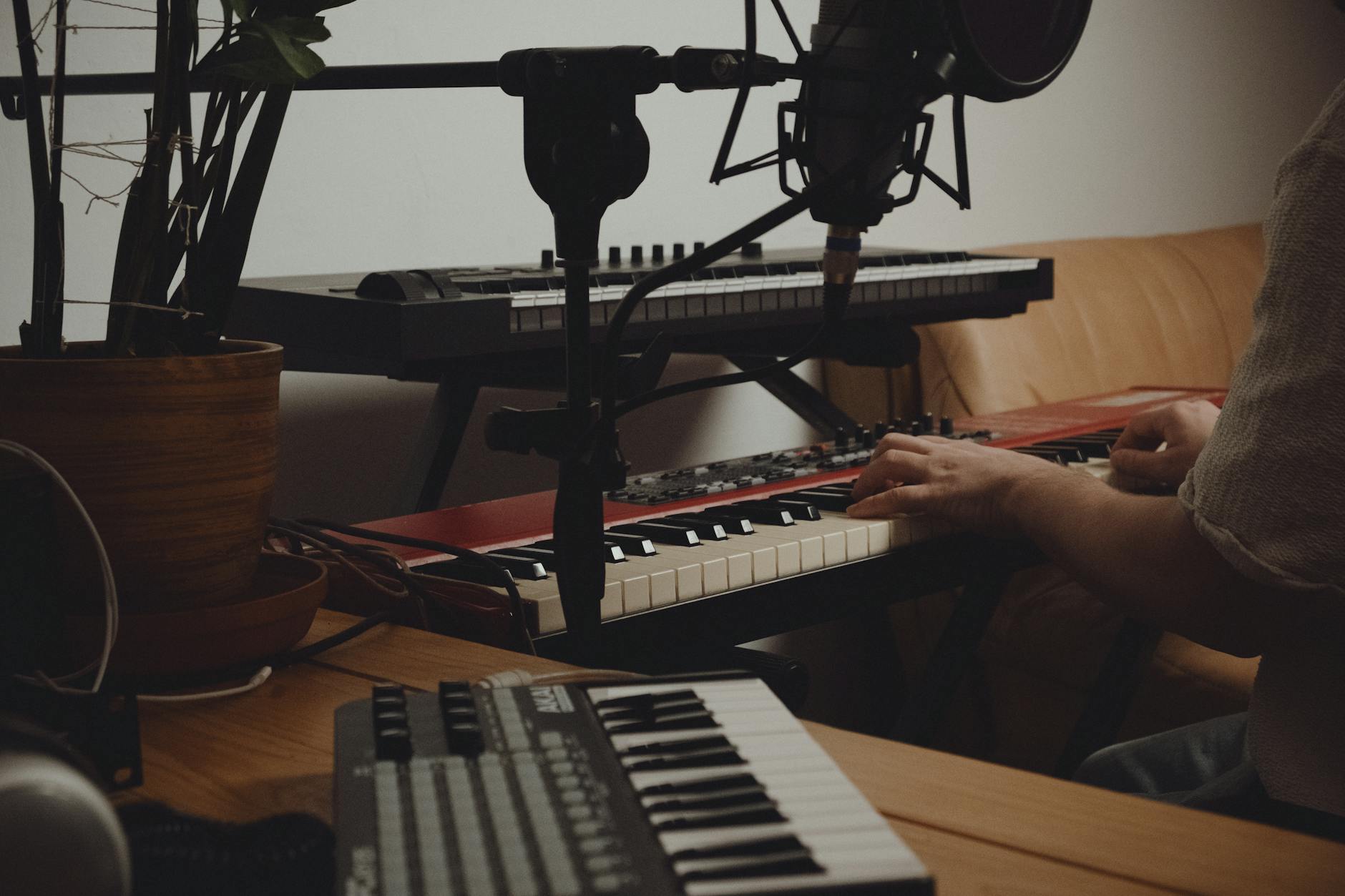
Online learning platforms represent particularly lucrative opportunities. Course creators on platforms like Udemy, Coursera, and LinkedIn Learning need professional narrators for content that reaches thousands of students globally. Unlike live teaching, these recordings generate income every time someone enrolls in the course, creating true passive revenue.
The meditation and mindfulness market has created unexpected opportunities for educators’ voices. Apps need calm, reassuring narrators for sleep stories, guided meditations, and relaxation content. These recordings often have extremely long shelf lives – a meditation series recorded in 2020 might still generate monthly royalty payments today.
Podcast production has opened another avenue. Educational podcasts, corporate communications, and sponsored content all require skilled narrators. Many retired teachers find podcast work particularly appealing because it combines their natural teaching instincts with storytelling skills developed over classroom careers.
Getting Started: Equipment and Training Essentials
Professional voice acting requires more than just a good voice – though retired teachers often start with better vocal skills than they realize. Basic home studio setup costs range from $500 to $2000, including a quality microphone, audio interface, headphones, and recording software. Many successful voice actors work entirely from converted spare bedrooms or home offices.
The learning curve involves understanding audio recording, basic editing, and industry standard practices. Online platforms like Voice123, Voices.com, and Casting Networks connect voice actors with clients, though building a portfolio takes time. Many retired teachers start with volunteer work for local nonprofits or small businesses to build demo reels and gain experience.
Training programs specifically designed for voice acting help accelerate the process. Unlike acting classes focused on stage or film work, voice acting training emphasizes microphone technique, script interpretation, and home studio management. Many programs offer flexible online schedules perfect for retirees exploring new income streams.
Success in voice acting requires consistent marketing and relationship building. Retired teachers often excel at this because they understand how to communicate effectively with different audiences – skills directly transferable to working with casting directors, producers, and clients across various industries.
Industry Growth and Future Opportunities
The voice acting market continues expanding as content consumption shifts digital. Audiobook sales have grown consistently for over a decade, while podcast listenership reaches new highs annually. Educational technology investment surged during and after the pandemic, creating sustained demand for quality educational voice content.
Artificial intelligence poses both challenges and opportunities in voice acting. While AI can generate basic voice content, human voices remain preferred for educational material, storytelling, and content requiring emotional nuance. Retired teachers’ natural warmth and authenticity become even more valuable as audiences seek genuine human connection in digital content.
The global shift toward remote learning and corporate training creates ongoing opportunities for voice actors specializing in educational content. Companies increasingly produce internal training videos, onboarding materials, and educational resources that require professional narration. These projects often involve ongoing work relationships rather than one-time gigs.
Voice acting royalties offer retired teachers a unique combination of creative fulfillment and passive income potential. Unlike traditional employment, voice work can scale from occasional side project to substantial income stream without requiring full-time commitment. As digital content consumption continues growing, skilled voice actors with educational backgrounds find themselves increasingly in demand.
The key lies in understanding that voice acting has evolved far beyond traditional entertainment media. Today’s voice actors work across educational technology, corporate communications, wellness apps, and digital publishing – industries that value the exact skills retired teachers already possess. For educators seeking meaningful post-retirement income, voice acting represents an increasingly viable path to ongoing financial security while contributing to educational content that reaches global audiences.
Frequently Asked Questions
How much can retired teachers earn from voice acting royalties?
Earnings vary widely, with some receiving hundreds to thousands quarterly depending on content usage and streaming numbers.
What equipment do retired teachers need to start voice acting?
Basic home studio setup costs $500-2000 including microphone, audio interface, headphones, and recording software.