





A 23-year-old marketing assistant in Denver recently made a $800 purchase using Klarna, splitting the payment into four installments. She’s never owned a credit card and has no plans to get one. She’s not alone – nearly 60% of Gen Z consumers have used buy now pay later services, while traditional credit card applications from this demographic have dropped 30% since 2020.
This dramatic shift represents more than a payment preference – it signals a fundamental reimagining of consumer credit. Gen Z, having witnessed the 2008 financial crisis during their formative years and entering adulthood during a pandemic-driven economic upheaval, approaches debt differently than previous generations. They’re choosing the transparency and control of BNPL over the complexity and potential pitfalls of traditional credit cards.
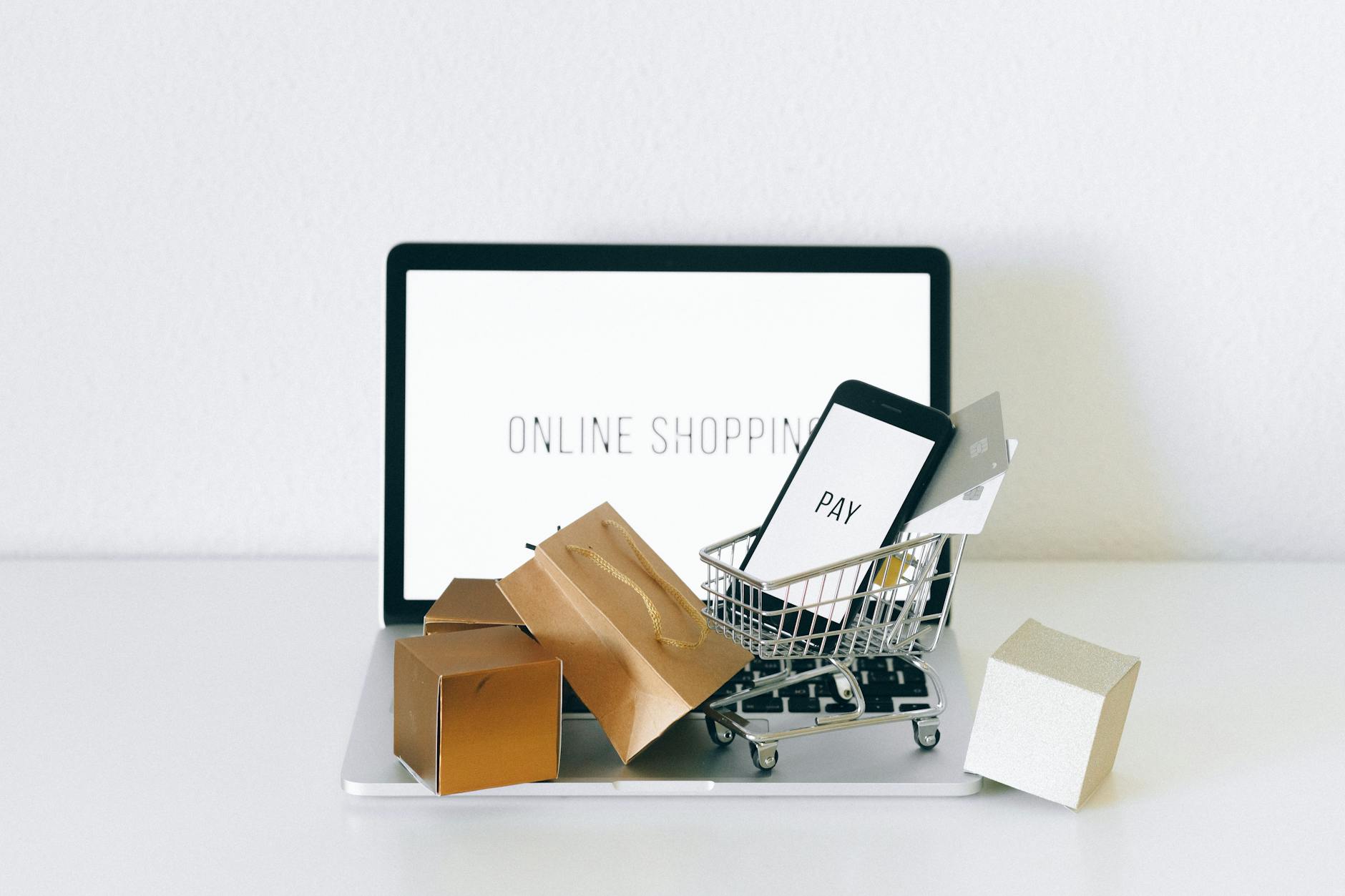
The Trust Factor: Why Credit Cards Feel Like a Trap
Credit cards carry psychological baggage for Gen Z that older generations don’t fully grasp. Many watched their parents struggle with credit card debt during the Great Recession, creating deep-seated wariness about revolving credit. Unlike millennials who embraced credit cards in their twenties, Gen Z views them as financial quicksand.
“Credit cards feel designed to trick you into spending more than you can afford,” explains Sarah Chen, a 24-year-old graphic designer from Portland. “With BNPL, I know exactly what I’ll pay and when. There’s no wondering about interest rates or minimum payments.”
This sentiment reflects broader generational attitudes toward financial institutions. Gen Z trusts fintech companies like Afterpay, Klarna, and Sezzle more than traditional banks. These platforms offer clear, upfront terms without the fine print complexity that characterizes credit card agreements. When payments are automatically deducted, users can’t accidentally miss deadlines or face surprise fees.
The data supports this preference. Federal Reserve research shows that 73% of Gen Z consumers find BNPL terms easier to understand than credit card terms. Meanwhile, credit card companies report that Gen Z applicants frequently abandon applications midway through the process, citing confusion about terms and conditions.
Financial Control Meets Digital Native Behavior
Gen Z approaches money with a level of intentionality that surprises financial advisors. They budget religiously, often using apps like YNAB or Mint, and prefer fixed payments over variable obligations. BNPL aligns perfectly with this mindset by turning purchases into scheduled, predictable expenses.
“I treat BNPL payments like bills,” says Marcus Thompson, a 22-year-old college student. “They’re in my budget app alongside rent and utilities. I never have to guess what I owe or worry about compound interest.”
This generation also values immediate gratification paired with financial responsibility. BNPL services satisfy both impulses – users get their purchase immediately but within a structured payment framework that prevents overspending. Credit cards, by contrast, offer unlimited flexibility that Gen Z views as dangerous.
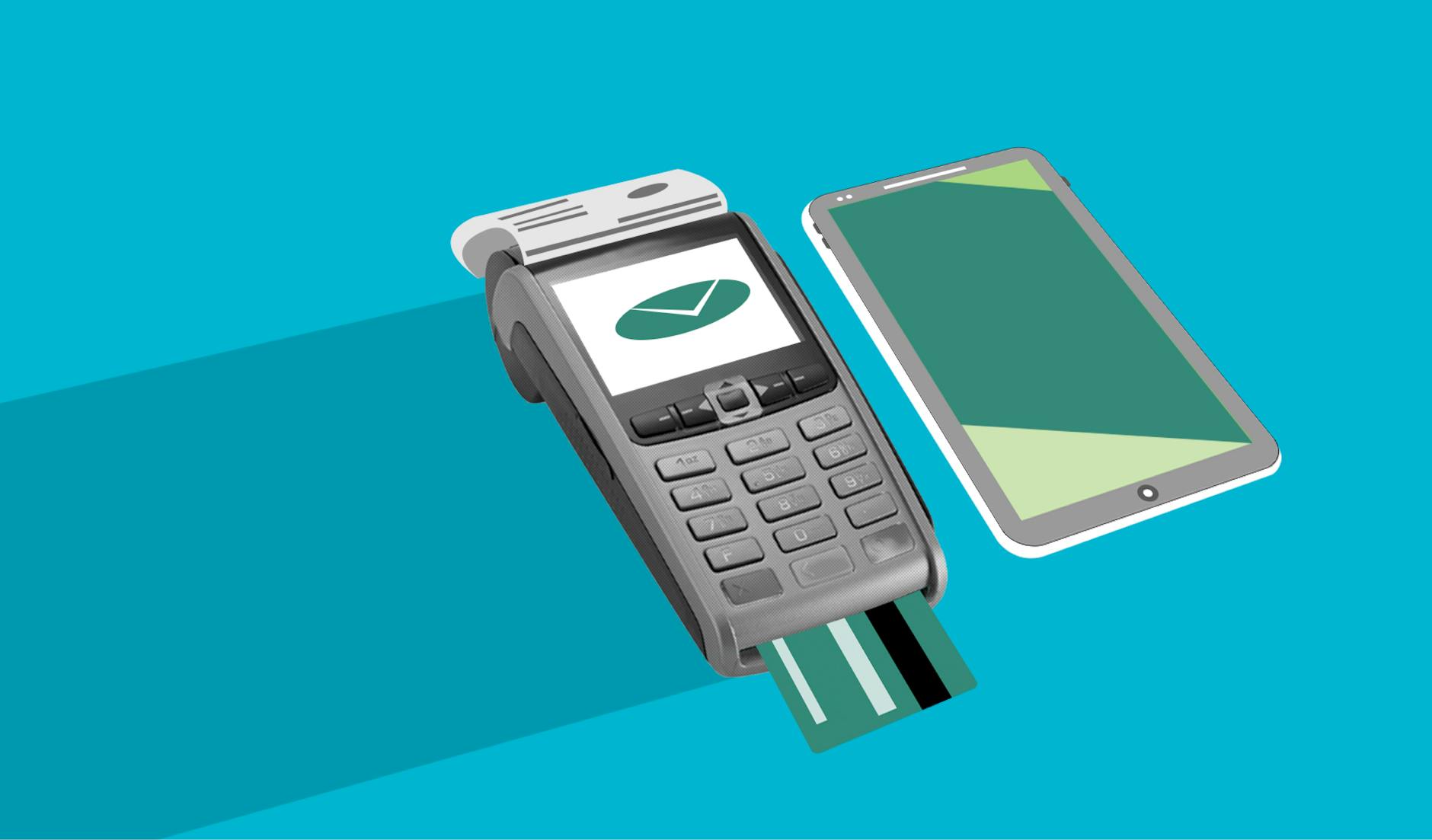
Mobile-first design plays a crucial role in this preference. BNPL apps integrate seamlessly with online shopping, often requiring just a few taps to complete a purchase. Credit cards, despite digital wallets, still feel clunky to users who expect Instagram-level user experience from financial products.
The shopping behavior itself differs too. Gen Z makes more deliberate purchases rather than impulse buys. They research products extensively on social media, read reviews, and often add items to wishlists before buying. BNPL supports this methodical approach by allowing users to secure items while spreading payments over time.
The Hidden Economics of Generational Change
Behind the preference shift lies a stark economic reality. Gen Z faces higher education costs, stagnant entry-level wages, and inflated housing prices. Traditional credit cards, designed for consumers with steady income growth trajectories, don’t match their financial reality.
BNPL services typically don’t require credit checks for small purchases, making them accessible to young adults with thin credit files. This accessibility matters when 40% of Gen Z has no credit score at all. Credit card companies, meanwhile, have tightened lending standards since the financial crisis, often rejecting applicants without established credit history.
Merchant adoption has accelerated this trend. Retailers love BNPL services because they increase average order values and reduce cart abandonment. When Target, Amazon, and virtually every major retailer offer BNPL at checkout, it becomes the default payment method for younger consumers.
Investment flows tell the story too. Similar to how private credit funds are attracting institutional investors away from traditional bonds, BNPL companies have attracted billions in venture capital and public market investment. Square’s $29 billion Afterpay acquisition and Apple’s entry into the space with Apple Pay Later validate the model’s staying power.
Risks and Financial Literacy Concerns
The BNPL surge isn’t without downsides. Consumer advocates worry about debt accumulation across multiple platforms. Unlike credit cards, which appear on credit reports, many BNPL services don’t report payment history to credit bureaus. This means users can rack up obligations without traditional credit monitoring safeguards.
Missed payments can trigger fees that rival credit card penalties, and some services charge late fees that compound quickly. The Consumer Financial Protection Bureau has begun scrutinizing the industry, noting that 43% of BNPL users have been charged late fees.
Financial advisors express concern about credit building. Credit cards, when used responsibly, help establish credit history essential for future loans. BNPL services generally don’t contribute to credit scores, potentially leaving Gen Z without the credit foundation needed for mortgages or business loans.
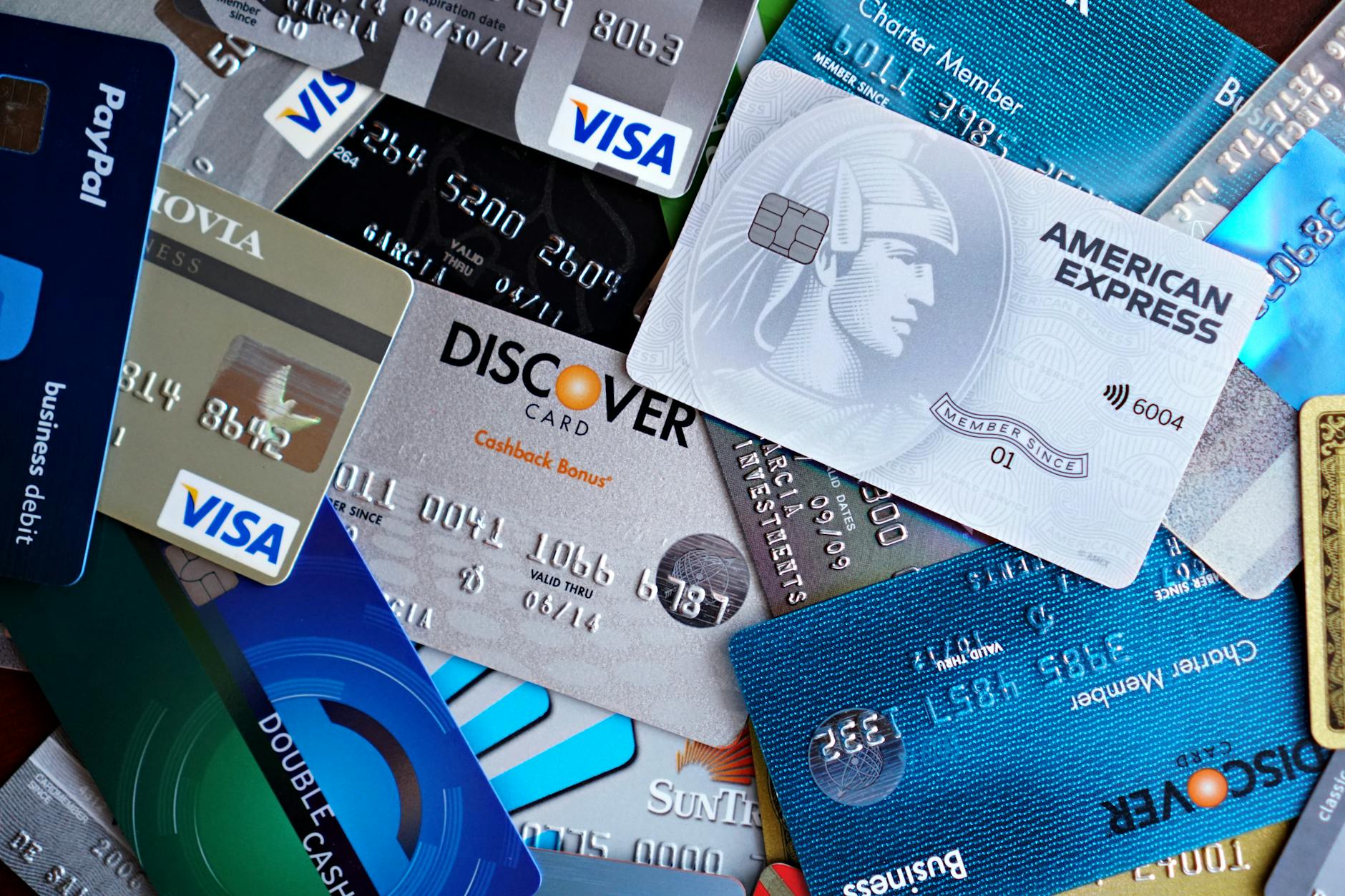
However, this criticism assumes Gen Z wants to participate in traditional credit systems. Many view avoiding debt as superior to building credit, preferring to save for purchases rather than finance them. This mirrors broader generational skepticism toward institutions that wealthy investors are also questioning by moving money to community development banks.
The Future of Consumer Credit
Gen Z’s BNPL preference signals a broader transformation in consumer finance. Traditional credit card companies are responding by launching their own installment products, while BNPL services are adding features like credit building and rewards programs.
Regulation will shape this evolution. The CFPB is developing oversight frameworks for BNPL services, potentially requiring credit checks and payment reporting. These changes could alter the fundamental appeal of BNPL for younger consumers.
Yet the underlying preferences seem durable. Gen Z values transparency, control, and simplicity in financial products. They grew up during economic instability and prefer predictable payments over flexible credit lines. As this generation matures and gains spending power, their payment preferences will likely reshape the entire consumer credit landscape.
The shift from credit cards to BNPL represents more than changing technology – it reflects a generation that experienced financial crisis early and emerged with different risk tolerance and trust patterns. Whether this proves wise long-term remains to be seen, but the trend appears irreversible as Gen Z’s spending power continues growing.
Frequently Asked Questions
Why do Gen Z consumers avoid credit cards?
They prefer BNPL’s transparent terms and fixed payments over credit cards’ complex interest structures and potential debt accumulation.
Are BNPL services safer than credit cards?
BNPL offers more predictable payments but lacks credit building benefits and can still result in late fees and debt accumulation.