




The pandemic transformed restaurant economics forever, but smart franchise owners didn’t just survive – they discovered a goldmine hiding in plain sight. While traditional dining rooms sat empty, savvy entrepreneurs were already pivoting to ghost kitchens, turning unused commercial space into delivery-only profit centers that generate revenue 24/7 without the overhead of customer-facing operations.
Ghost kitchens, also known as dark kitchens or virtual restaurants, operate solely for delivery and takeout orders. They eliminate dining room costs, reduce staffing needs, and allow multiple restaurant concepts to operate from a single location. For franchise owners watching their profit margins shrink under rising rent and labor costs, this model offers a compelling alternative that’s reshaping the entire industry landscape.
Operational Efficiency Drives Franchise Transformation
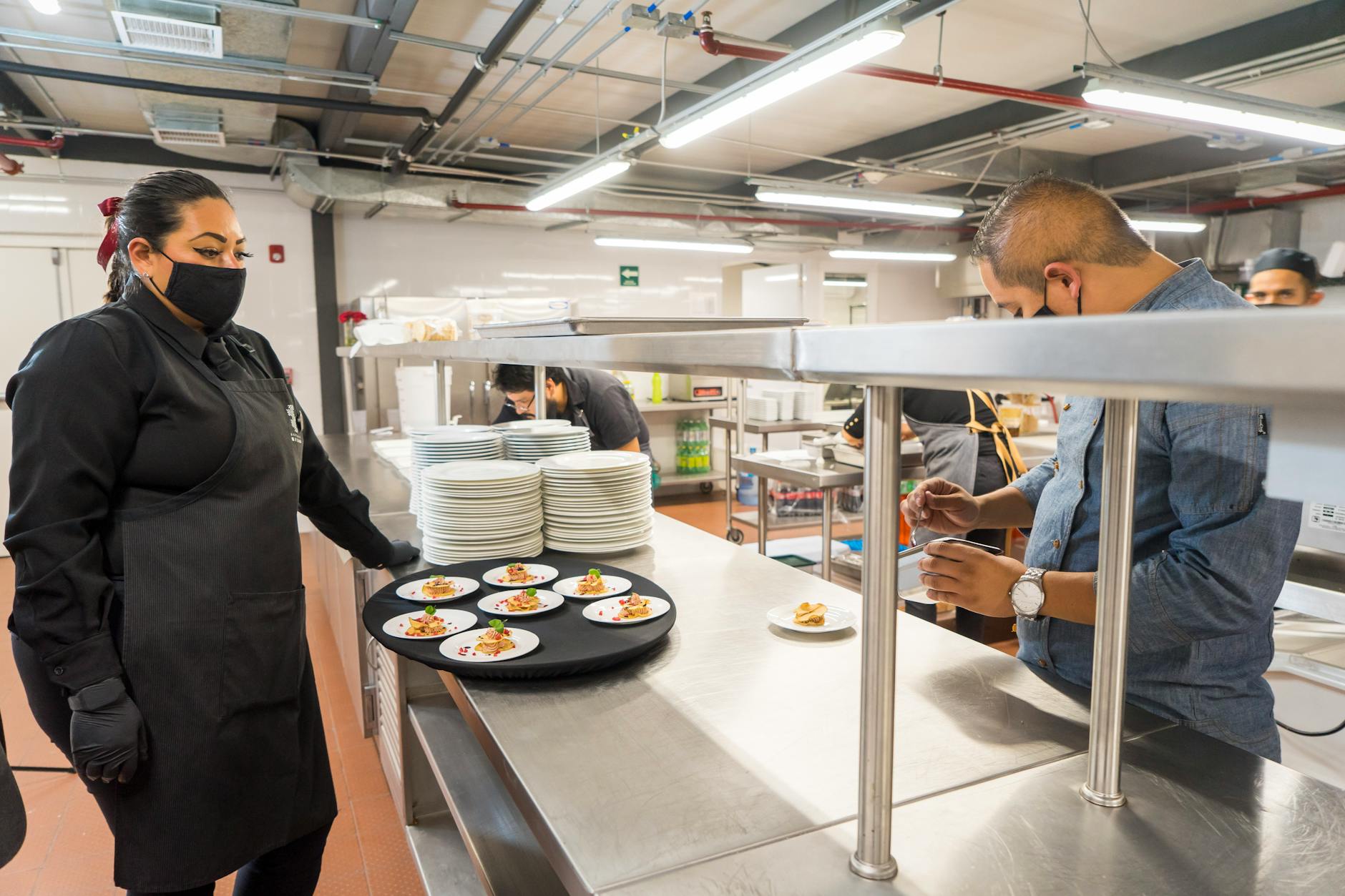
Traditional franchise restaurants carry enormous overhead costs. A typical McDonald’s or Subway location requires prime real estate, extensive staff, dining room maintenance, and customer service infrastructure. Ghost kitchens slash these expenses by 40-60%, according to industry reports from companies like Kitchen United and CloudKitchens.
Mike Chen, who owns three Domino’s locations in California, converted two of his underperforming stores to ghost kitchen operations last year. “We kept the kitchen equipment but eliminated front-of-house staff and dining areas,” Chen explains. “Our delivery volume increased 80% while labor costs dropped by half. The math just works better.”
The efficiency extends beyond cost savings. Ghost kitchens can operate multiple brand concepts simultaneously. A single kitchen might prepare orders for a pizza concept, a burger brand, and a healthy bowl restaurant – all sharing the same equipment and staff. This diversification reduces risk while maximizing revenue potential from every square foot of space.
Franchise owners are also leveraging technology integration more effectively in ghost kitchen formats. Automated order management systems, kitchen display screens, and delivery optimization software create smoother operations with fewer human touchpoints. These technological advantages become more pronounced when there’s no dining room to manage simultaneously.
Market Data Reveals Compelling Revenue Opportunities
The numbers behind ghost kitchen performance are attracting serious attention from franchise owners. Delivery orders typically generate higher average ticket values than dine-in purchases, with customers ordering appetizers, desserts, and beverages more frequently when browsing digital menus at home. Industry data shows average delivery orders running 20-30% higher than comparable in-restaurant purchases.
Location flexibility creates additional advantages. Ghost kitchens can operate from less expensive industrial areas while still serving premium delivery zones. A ghost kitchen in a warehouse district can deliver to affluent neighborhoods that would be too expensive for traditional restaurant rent. This geographic arbitrage opportunity is particularly attractive to franchise owners operating in high-cost markets like New York, San Francisco, or Los Angeles.
The subscription economy mentality is also influencing ghost kitchen success. Similar to how independent content creators monetize through Patreon subscription tiers, ghost kitchens are developing customer loyalty programs and meal subscription services that generate predictable recurring revenue streams.

Several major franchise brands are actively supporting this transition. Wendy’s launched its delivery-focused “Wendy’s Delivery Kitchen” concept, while Chick-fil-A is testing smaller format stores designed primarily for pickup and delivery. These corporate initiatives signal long-term industry commitment to ghost kitchen models, providing franchise owners with proven systems and ongoing support for their transitions.
Technology Integration Creates Competitive Advantages
Ghost kitchens operate as technology-first businesses, giving franchise owners access to data insights impossible in traditional restaurant formats. Every order generates detailed analytics about customer preferences, peak demand times, and menu performance. This information enables rapid menu optimization and targeted marketing campaigns that drive higher conversion rates.
Multi-brand operations within single ghost kitchen locations create unique testing opportunities. Franchise owners can experiment with new concepts, menu items, or pricing strategies without investing in separate physical locations. If a virtual burger concept performs well, it can be scaled quickly across multiple ghost kitchen locations. If it fails, the financial loss is minimal compared to opening a traditional restaurant.
Artificial intelligence and machine learning tools are becoming standard equipment in successful ghost kitchen operations. These systems predict demand patterns, optimize ingredient ordering, and suggest menu modifications based on real-time performance data. Franchise owners gain competitive intelligence that helps them respond faster to market changes and customer preferences.
The integration with delivery platforms like DoorDash, Uber Eats, and Grubhub also provides marketing reach that traditional restaurants struggle to match. Ghost kitchens can launch new virtual brands and immediately access millions of potential customers through these platforms, without investing in separate marketing campaigns or brand recognition efforts.
Real Estate Economics Support Long-Term Growth
Commercial real estate dynamics are fundamentally shifting in favor of ghost kitchen models. Traditional restaurant locations require expensive street-level retail space in high-traffic areas. Ghost kitchens can operate effectively in industrial zones, second-floor locations, or converted warehouse space at significantly lower rent costs.
This real estate flexibility becomes particularly valuable during economic uncertainty. Franchise owners operating ghost kitchens face lower fixed costs and greater location mobility if market conditions change. The ability to relocate operations quickly provides business resilience that traditional restaurants cannot match.
The ghost kitchen trend parallels other successful pivots happening across various industries. Just as independent farmers markets generate revenue through subscription box programs, traditional franchise owners are discovering that adapting their business model to changing consumer behaviors creates new profit opportunities rather than simply cutting costs.
Industry projections suggest ghost kitchen revenues will reach $71 billion globally by 2027, compared to $24 billion in 2021. This growth trajectory indicates that early-adopting franchise owners are positioning themselves for sustained competitive advantages as the market continues expanding.
The franchise owners succeeding in this transition are those who recognize that ghost kitchens represent more than just pandemic adaptations. They’re building scalable, technology-driven food operations that align with long-term consumer trends toward convenience, variety, and digital ordering experiences. As delivery becomes the dominant restaurant channel, ghost kitchen models provide franchise owners with the operational efficiency and profit margins needed to thrive in this transformed landscape.
Frequently Asked Questions
What are ghost kitchens and how do they work?
Ghost kitchens are delivery-only food operations without dining rooms, focusing solely on takeout and delivery orders to reduce overhead costs.
How much can franchise owners save with ghost kitchen models?
Industry reports show ghost kitchens can reduce operational costs by 40-60% compared to traditional restaurant formats.