





Financial advisors are dusting off their precious metals playbooks. After years of pushing clients toward traditional stock and bond portfolios, many are once again recommending gold and silver IRAs as core retirement holdings. The shift reflects mounting concerns about inflation persistence, currency devaluation, and market volatility that have made tangible assets increasingly attractive.
The renewed interest isn’t driven by doomsday scenarios or conspiracy theories. Instead, it’s rooted in pragmatic portfolio diversification as advisors seek alternatives to traditional investments that have shown vulnerability to economic shocks. Major financial planning firms report a 40% increase in precious metals IRA inquiries over the past 18 months, with clients specifically asking about gold and silver as hedges against economic uncertainty.
This trend mirrors broader changes in investment strategies, similar to how private credit funds are attracting institutional investors over traditional bonds, as advisors explore alternatives to conventional asset classes.
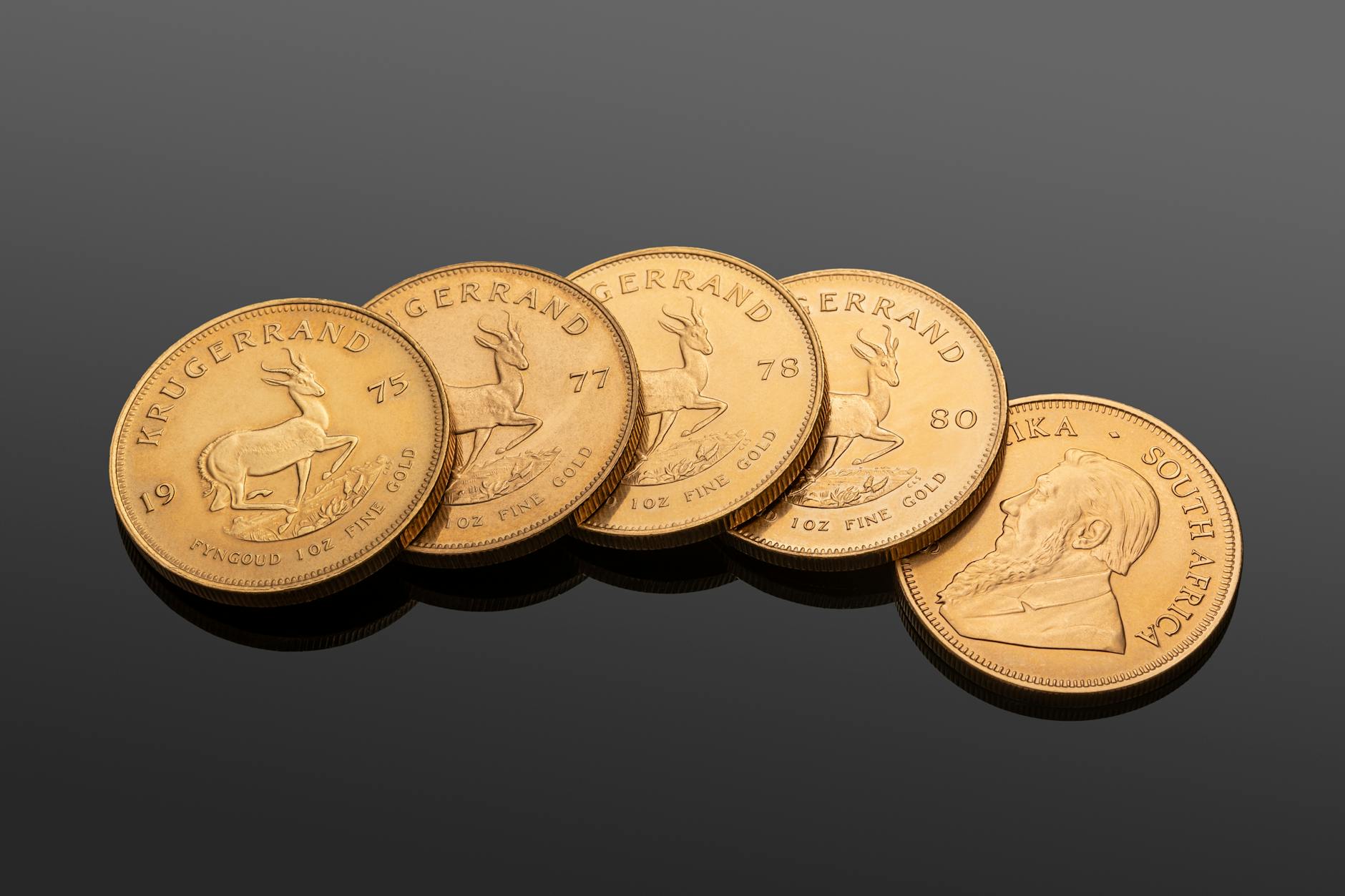
Inflation Fears Drive Metal Demand
The primary catalyst behind renewed precious metals recommendations stems from persistent inflation concerns that refuse to disappear despite Federal Reserve efforts. While official inflation rates have cooled from their 2022 peaks, many advisors worry about underlying price pressures in housing, healthcare, and energy that continue affecting retirees disproportionately.
Gold traditionally serves as an inflation hedge, maintaining purchasing power when currencies weaken. Historical data shows gold prices have generally risen during periods of sustained inflation, making it appealing for retirement portfolios that need to preserve value over decades. Silver, while more volatile, offers similar protective characteristics with additional industrial demand supporting its long-term prospects.
Financial advisor Sarah Chen from Richmond Wealth Management explains the shift in client conversations: “Three years ago, clients were focused on growth stocks and tech funds. Now they’re asking how to protect what they’ve built. When someone is 55 and worried their savings won’t stretch through retirement due to rising costs, precious metals become a serious consideration.”
The appeal extends beyond pure inflation protection. Precious metals IRAs offer tax advantages similar to traditional retirement accounts, allowing investors to hold physical gold and silver while deferring taxes on gains. This combination of potential hedge benefits with tax efficiency has caught the attention of advisors managing retirement-focused portfolios.
Geopolitical Uncertainty Adds Appeal
Beyond domestic inflation concerns, global tensions have reinforced precious metals’ traditional role as safe-haven assets. The ongoing conflict in Ukraine, tensions between major powers, and uncertainty about global trade relationships have made tangible assets more appealing to risk-conscious investors.
Central bank gold purchases reached record levels in 2023, with countries like China, Turkey, and India significantly expanding their gold reserves. This institutional buying has provided underlying support for gold prices while signaling official recognition of precious metals’ role in financial stability during uncertain times.

Currency concerns also factor into advisor recommendations. As the U.S. dollar faces pressure from mounting national debt and questions about its long-term reserve currency status, some clients seek assets that exist independently of any single currency system. Precious metals, with their universal acceptance and thousands of years of monetary history, fit this requirement.
The diversification benefits become particularly relevant for clients with concentrated wealth in dollar-denominated assets. Real estate investors, business owners, and high-income professionals often find their net worth heavily tied to U.S. economic performance. Adding precious metals through IRAs provides geographic and currency diversification within retirement accounts.
Modern Logistics Make Access Easier
The mechanics of precious metals IRAs have improved significantly, removing barriers that previously deterred advisors from recommending them. Reputable custodians now offer streamlined processes for purchasing, storing, and managing physical metals within retirement accounts, addressing earlier concerns about complexity and security.
Storage solutions have evolved beyond simple bank vaults. Modern precious metals IRAs utilize specialized facilities with advanced security systems, insurance coverage, and detailed audit trails. Some custodians offer segregated storage, where individual investor metals are kept separate rather than pooled, providing additional peace of mind for larger accounts.
The ability to take physical delivery upon retirement adds flexibility that appeals to control-conscious investors. Unlike paper assets that exist only as electronic records, precious metals IRAs ultimately represent physical commodities that investors can hold if desired. This tangible aspect resonates particularly well with clients who lived through the 2008 financial crisis or dot-com bubble.
Pricing transparency has also improved. Modern precious metals dealers provide real-time pricing tied to spot markets, helping advisors and clients understand exactly what they’re paying above metal values for dealer services and storage. This transparency addresses previous concerns about excessive markups that could erode investment returns.
Integration with Broader Portfolio Strategy
Rather than recommending precious metals as standalone investments, advisors are integrating them into comprehensive retirement strategies. Typical allocations range from 5% to 15% of total retirement assets, enough to provide diversification benefits without overwhelming portfolios with a single alternative asset class.
The integration often involves rebalancing existing IRAs or 401(k) rollovers rather than adding new money. As clients change jobs or retire, they can move portions of their traditional retirement accounts into self-directed IRAs that allow precious metals holdings alongside stocks, bonds, and other approved assets.

Some advisors recommend precious metals as a replacement for the bond portion of traditional portfolios, particularly given concerns about interest rate sensitivity and credit risk in fixed-income markets. With government bonds offering limited real returns after inflation, precious metals provide an alternative store of value that doesn’t depend on issuer creditworthiness.
The strategy also addresses sequence of returns risk – the danger that poor market performance early in retirement could permanently damage withdrawal capabilities. Having a portion of retirement assets in precious metals provides a buffer that doesn’t correlate with stock or bond markets, potentially allowing retirees to avoid selling other investments during market downturns.
Modern portfolio theory supports modest precious metals allocations for their low correlation with traditional assets. Academic research suggests that adding small amounts of gold to diversified portfolios can actually improve risk-adjusted returns over long time periods, making the allocation mathematically justifiable beyond just emotional appeal.
Looking Forward: A Permanent Portfolio Component
The current renewed interest in precious metals IRAs appears different from previous cycles driven by crisis fears or speculative fervor. Instead, it reflects a more mature understanding of portfolio diversification and long-term wealth preservation that’s likely to persist regardless of short-term market conditions.
As traditional retirement planning faces challenges from increased longevity, healthcare costs, and uncertain Social Security benefits, advisors are expanding their toolkit beyond conventional stock-and-bond allocations. Precious metals represent one component of this broader evolution toward more resilient retirement strategies.
The trend suggests precious metals IRAs may become standard portfolio components rather than crisis-driven alternatives, marking a significant shift in mainstream financial advice that acknowledges the limitations of purely paper-based retirement strategies.
Frequently Asked Questions
What percentage of retirement savings should be in precious metals?
Most advisors recommend 5-15% allocation to precious metals for diversification without overweighting alternatives.
Can I hold physical gold and silver in my IRA?
Yes, self-directed IRAs allow physical precious metals storage through approved custodians and depositories.