





Cape Town nearly ran out of water in 2018. Chennai’s reservoirs hit zero in 2019. Mexico City’s 21 million residents face daily water shortages. These aren’t isolated incidents – they’re previews of a global crisis that’s creating unprecedented investment opportunities in desalination technology.
The numbers tell a stark story. By 2050, demand for freshwater will exceed supply by 40% globally, according to the World Resources Institute. Two billion people already lack access to safely managed drinking water at home. Traditional water sources – rivers, lakes, and underground aquifers – are depleting faster than nature can replenish them.
This crisis is driving massive capital flows into desalination, the process of removing salt from seawater to create freshwater. What was once considered too expensive and energy-intensive is now becoming essential infrastructure for water-stressed regions worldwide.
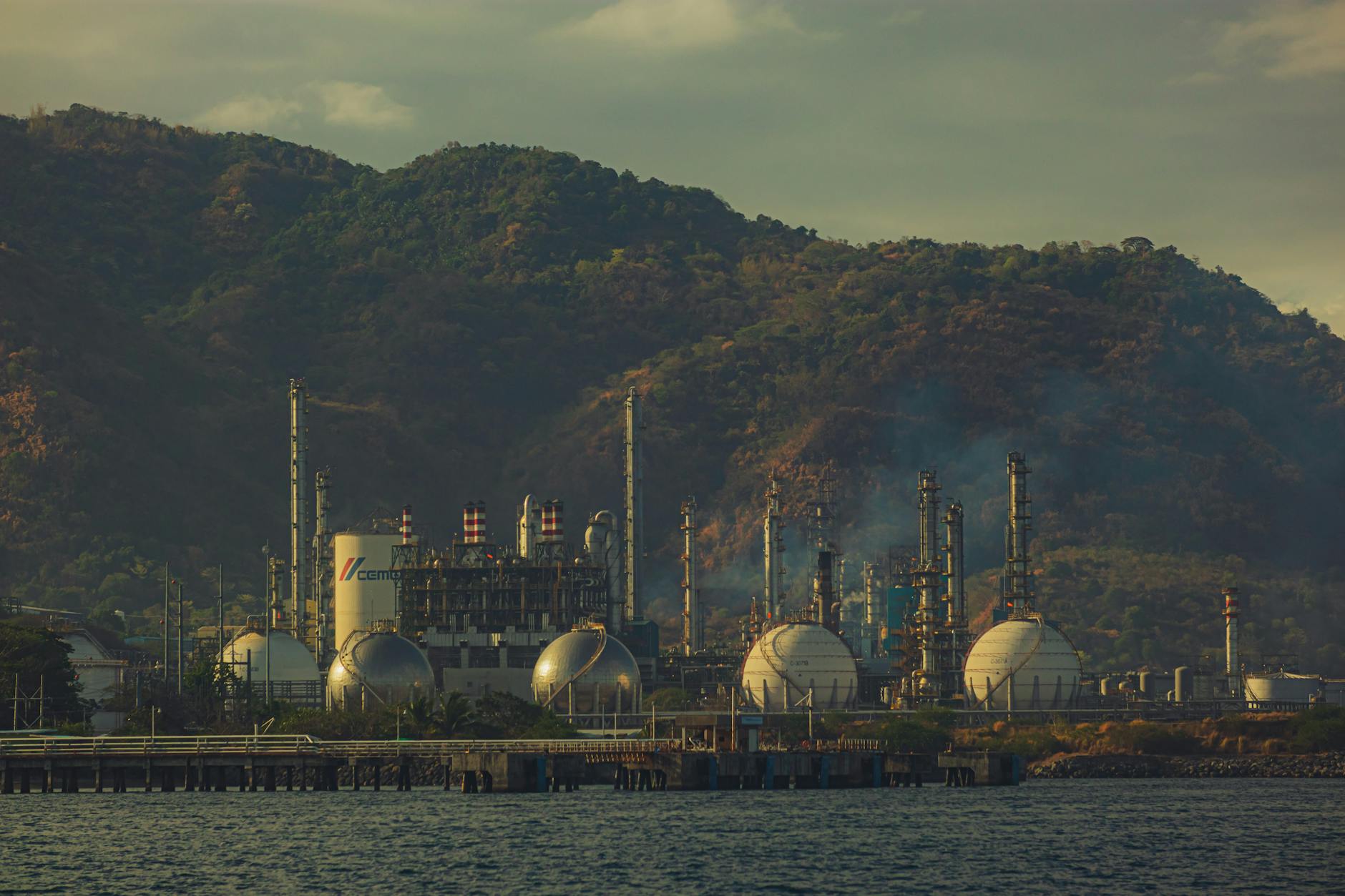
Global Desalination Market Reaches Tipping Point
The desalination industry has transformed dramatically over the past decade. Global capacity has doubled since 2010, with over 20,000 plants now operating across 180 countries. The market, valued at approximately $15 billion in 2023, is projected to reach $26 billion by 2030.
Israel leads the way, producing 85% of its domestic water through desalination. Saudi Arabia operates the world’s largest desalination facility, the Ras Al-Khair plant, which produces 1.03 million cubic meters of freshwater daily. Australia turned to desalination during its millennium drought, building six major plants that now serve as insurance against future shortages.
Energy costs, historically desalination’s biggest barrier, have plummeted. Modern reverse osmosis plants consume 75% less energy than facilities built in the 1990s. Solar-powered desalination is emerging in regions like Morocco and Chile, where abundant sunshine makes renewable energy desalination economically viable.
Public-private partnerships are accelerating deployment. Governments provide contracts and regulatory frameworks while private companies bring technology and financing. These arrangements create stable, long-term revenue streams that attract institutional investors seeking inflation-protected returns.
Technology Leaders Drive Innovation and Returns
Several publicly traded companies dominate the desalination technology landscape. Energy Recovery (NASDAQ: ERII) manufactures pressure exchangers that reduce energy consumption in reverse osmosis plants. The company’s devices are installed in facilities producing over 13 million cubic meters of freshwater daily.
Xylem (NYSE: XYL), the water technology giant, provides pumps, filtration systems, and digital monitoring solutions for desalination plants worldwide. The company’s advanced oxidation systems and membrane technologies serve both municipal and industrial customers.
Veolia (EPA: VIE) operates and maintains desalination facilities globally while developing next-generation technologies. The French multinational’s engineering expertise and operational scale make it a key player in large-scale projects.
Emerging technologies are creating new investment opportunities. Forward osmosis, using natural processes to draw water through membranes, requires significantly less energy than traditional reverse osmosis. Graphene-based membranes, still in development, could revolutionize efficiency and reduce costs further.

Modular desalination systems are gaining traction for smaller communities and industrial applications. These prefabricated units can be deployed rapidly and scaled according to demand, opening markets previously considered too small for traditional plants.
Infrastructure Investments Mirror EV Charging Growth
The desalination investment landscape shares characteristics with other infrastructure sectors experiencing rapid growth. Like electric vehicle charging station REITs, desalination projects offer predictable cash flows backed by essential services and long-term contracts.
Water purchase agreements typically span 20-30 years, providing revenue stability that appeals to pension funds and insurance companies. These institutional investors are allocating increasing portions of their portfolios to water infrastructure as they seek assets that hedge against inflation and demographic trends.
Regional development banks are expanding financing for desalination projects. The Asian Development Bank approved $500 million for water security initiatives in 2023, much focused on desalination in island nations and coastal cities. The World Bank’s Blue Economy program supports sustainable ocean-based economic development, including seawater desalination.
Private equity firms are establishing dedicated water funds. KKR’s Global Infrastructure Fund and Brookfield’s Infrastructure Partners have made significant investments in water treatment and desalination assets. These funds typically target assets with stable, regulated returns and essential service characteristics.
Environmental Concerns Create Technology Opportunities
Traditional desalination faces environmental challenges that create opportunities for innovative solutions. Brine discharge, the concentrated salt waste from desalination, can harm marine ecosystems if not properly managed. This has sparked development of zero liquid discharge technologies and brine mining operations that extract valuable minerals from waste streams.

Brine mining represents a growing business opportunity. Concentrated brine contains lithium, magnesium, and other minerals essential for battery production and industrial processes. Companies like Summit Nanotech and Lilac Solutions are developing technologies to extract these materials economically, turning waste into valuable byproducts.
Intake systems that minimize marine life impact are becoming standard requirements. Fish-friendly intake designs and marine monitoring systems add complexity but create markets for specialized engineering firms and environmental technology companies.
Energy integration is driving innovation in renewable-powered desalination. Concentrated solar power plants in Morocco and Chile combine electricity generation with thermal desalination processes. These hybrid facilities maximize land use efficiency and provide grid stability services alongside water production.
The intersection of water scarcity and climate adaptation is creating massive infrastructure investment needs. Coastal cities facing sea level rise and changing precipitation patterns view desalination as climate resilience infrastructure. This positions the sector for sustained growth regardless of short-term economic cycles.
Water scarcity will intensify as global temperatures rise and populations grow. Desalination technology companies positioned at this intersection of necessity and innovation offer investors exposure to one of the 21st century’s most pressing challenges. The companies solving water security today are building the essential infrastructure of tomorrow’s world.
Frequently Asked Questions
Which companies lead desalination technology investments?
Energy Recovery (ERII), Xylem (XYL), and Veolia (VIE) dominate the sector with proven technologies and global operations.
How profitable are desalination investments?
Water purchase agreements typically span 20-30 years, providing stable cash flows that attract institutional investors seeking inflation-protected returns.