





The Unlikely Appeal of Water Infrastructure Investing
Water infrastructure ETFs have spent years as a niche corner of the sustainable investing universe, overshadowed by solar panels, EV batteries, and carbon offset strategies that attract far more headlines. But something has shifted quietly in the background: investors who openly distrust ESG labels are starting to buy into water funds – not because of environmental conviction, but because aging pipes, stressed aquifers, and strained municipal budgets make the underlying business case nearly impossible to ignore.
The appeal is straightforward. Water is not a trend. It is not a policy preference. It is a physical requirement that utilities, agriculture, and industrial manufacturing cannot substitute away from. For investors burned by ESG funds that underperformed or that they felt were bundled with political baggage, water infrastructure offers a cleaner entry point – a hard asset play dressed in green clothing they never actually asked for.
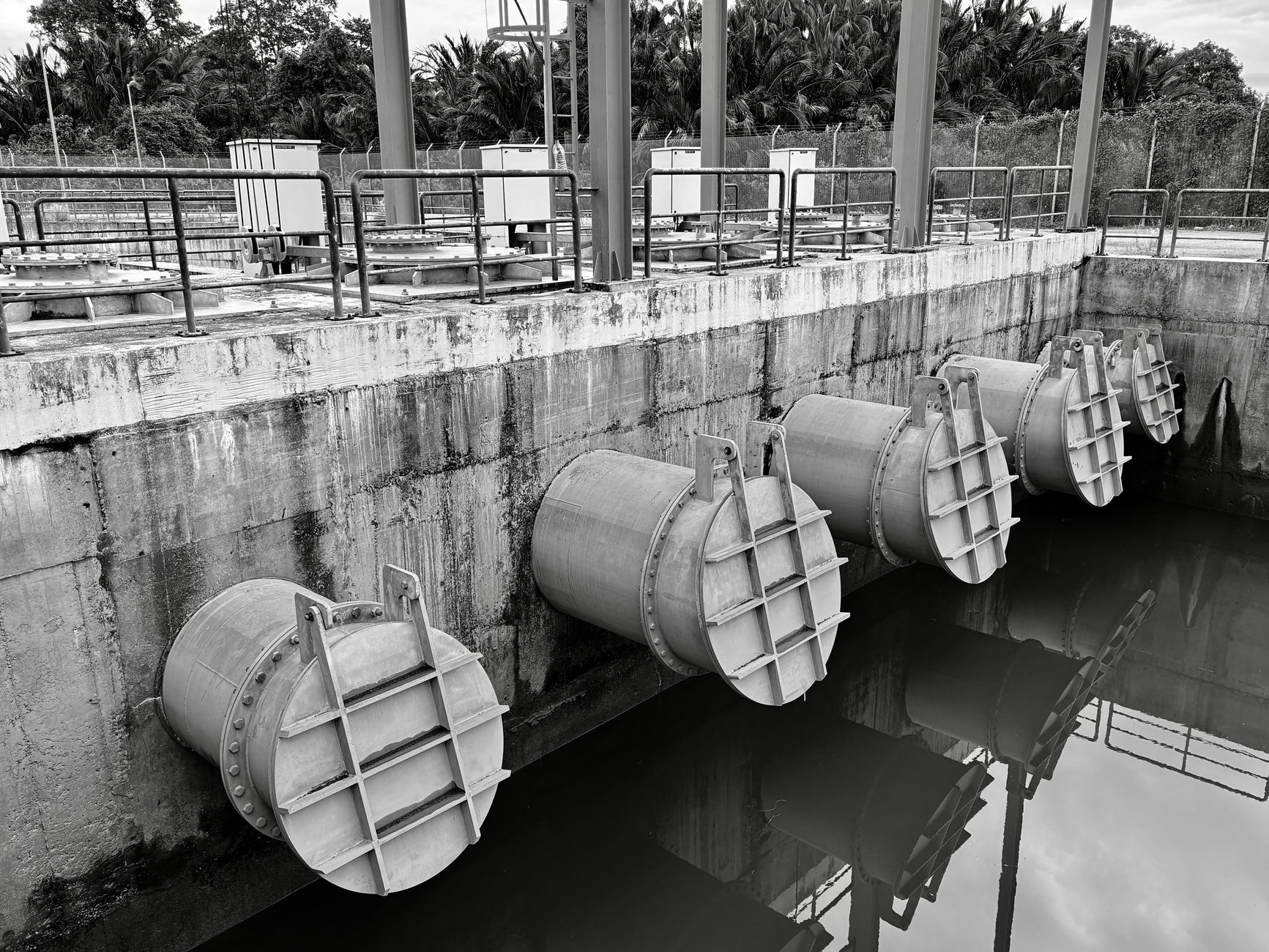
Why ESG Skeptics Are Warming Up
The standard critique of ESG investing centers on two concerns: that the label is used to justify lower returns, and that fund inclusion criteria are arbitrary or ideologically driven. Water infrastructure ETFs sidestep both objections more effectively than most ESG-adjacent funds. Holdings typically include water utilities, pipe manufacturers, filtration companies, and water treatment equipment providers – businesses with regulated revenue streams, long contract durations, and capital spending that is driven by infrastructure necessity, not by consumer sentiment or political cycles.
That profile looks a lot less like a values bet and a lot more like a toll-road investment. Water utilities in the United States and Europe operate under rate structures that allow them to pass infrastructure costs to customers with regulatory approval. That pricing mechanism creates the kind of predictable, inflation-linked cash flows that income-oriented investors spend years searching for – and it has nothing to do with whether a portfolio manager believes in climate change.
The Infrastructure Angle Is Doing the Heavy Lifting
Across the developed world, the physical water network is old. Much of the underground pipe infrastructure in American cities was installed between the 1950s and 1970s, and replacement cycles for cast iron and lead pipe systems are running decades behind schedule. The American Society of Civil Engineers has flagged water infrastructure as chronically underfunded in its periodic national report cards, noting that a water main breaks somewhere in the U.S. roughly every two minutes. That is not a political position – it is a maintenance backlog with a price tag attached.
Private water companies and engineering firms that service municipal contracts stand to benefit from that backlog regardless of which party controls Congress or which ESG rating agency decides to downgrade a particular holding. The investment case is grounded in physical deterioration and population growth, not in carbon accounting or diversity metrics. That distinction matters enormously to investors who want infrastructure exposure without what they perceive as ideological overlay.
Water scarcity adds another layer. The western United States, large parts of southern Europe, India, and sub-Saharan Africa are already managing allocation disputes between agricultural users and urban populations. As freshwater availability tightens, the companies that build desalination plants, improve irrigation efficiency, and manage water recycling systems are not making an environmental argument – they are filling a commercial gap that will only widen as demand continues outpacing natural replenishment in stressed regions.
This is also where water ETFs pull away from other infrastructure categories. Roads and bridges still face utilization uncertainty tied to remote work patterns and cargo volumes. Energy infrastructure is navigating a fuel transition that creates genuine asset stranding risk. Water has no known substitute and no competing technology waiting to displace it. The demand curve is about as stable as any commodity can offer.
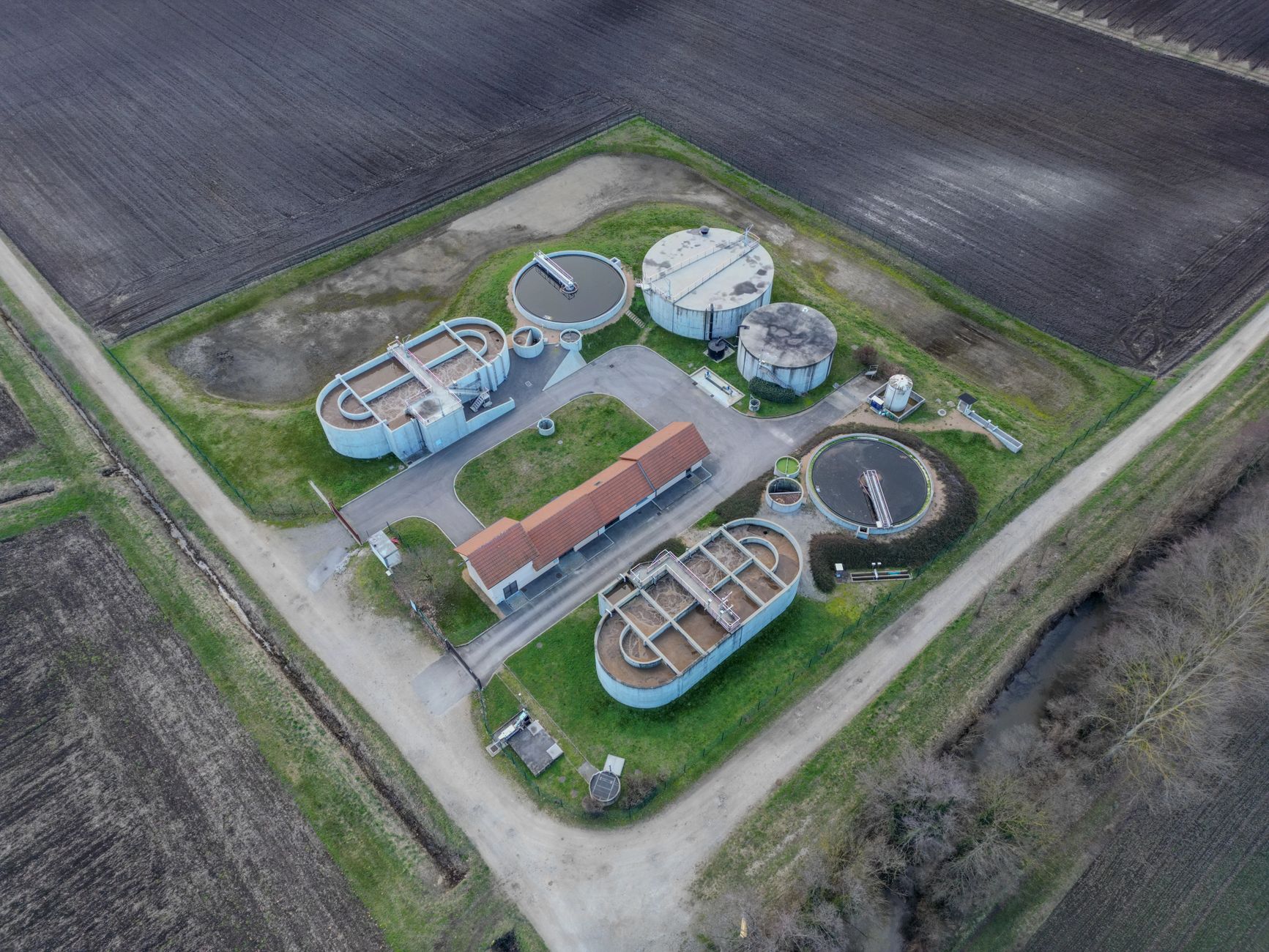
What These Funds Actually Hold
The largest water-focused ETFs draw their holdings from a fairly consistent pool of global companies – names in water utility operations, engineered filtration systems, pump and valve manufacturing, and water quality testing equipment. Some funds weight toward pure-play water utilities, which provide defensive characteristics and dividend income. Others tilt toward industrial suppliers, which carry more earnings cyclicality but also more upside when large infrastructure buildout contracts are awarded.
Expense ratios for water ETFs tend to sit higher than broad market index funds, a common feature of thematic funds that require more active curation. That cost drag is worth understanding before buying – thematic ETFs that blur the line between passive indexing and active stock selection can erode return advantages if the theme underperforms or if concentration in a handful of large-cap names limits diversification. Water funds often hold 30 to 50 positions, which is narrow enough that single-company regulatory or operational problems can move the fund meaningfully.
The Risks That Don’t Get Talked About Enough
Regulated utility returns are predictable, but they are also capped. Rate commissions approve pricing changes on their own schedule, and in periods of rising interest rates, the fixed-income characteristics of utility stocks make them sensitive to bond market movements. Water ETFs sold off alongside other yield-sensitive assets when rates climbed – a reminder that “stable” does not mean “uncorrelated.”
Geopolitical and political risk is underappreciated too. Water privatization has faced serious public backlash in multiple countries, and the regulatory compact between private water companies and local governments is not as secure as it appears on paper. A single high-profile contamination event or a municipality choosing to renationalize a water system can hurt sector sentiment quickly, even if the operational reality across other holdings is unchanged.
None of those risks make water infrastructure a bad investment. They make it a specific investment – one with a distinct return profile, identifiable vulnerabilities, and a structural demand story that holds up whether or not the buyer cares about ESG at all. The skeptics buying in now are not converting to sustainable investing. They are recognizing that sometimes the most durable infrastructure thesis just happens to come in a green wrapper.