



When a retailer’s comparable sales fall, the headline number matters less than what is underneath it. At Target, the question is how much of the damage comes from the aisles shoppers can skip.
Why Discretionary Categories Carry So Much Weight at Target
Comparable sales measure revenue at stores and digital channels that have been operating long enough to offer a fair year-over-year comparison. They strip out the noise of new store openings and show whether the existing business is attracting more or less spending. A sustained decline means the core machine is selling less to the people already walking through the doors or opening the app.
Target’s machine has always been built differently from its largest rival’s. Walmart wins on grocery volume and price perception. Target built its identity on the trip that starts with paper towels and ends with a throw pillow, a graphic tee, and a candle nobody planned to buy. That impulse layer, spread across apparel, home decor, toys, seasonal goods, and electronics, is what separated Target from a plain discount grocer.
It is also the layer that shoppers cut first. Food, household essentials, and pharmacy items get purchased on a schedule, regardless of mood or budget. A sofa cushion, a new set of dishes, or a fourth pair of seasonal sandals can wait. When household budgets tighten, the weekly trip survives but the add-ons shrink, and a retailer whose sales mix leans on add-ons feels it faster than one built on staples.
That is why analysts and investors keep returning to the mix rather than just the total. A retailer can post a flat comparable number with healthy discretionary sales offset by weak groceries, or it can post the same number with groceries holding steady while everything else erodes. The two situations look identical in a headline and carry very different implications for profit.
What a Weak Mix Does to Margins and Inventory
The profit math explains why the mix gets so much scrutiny. Discretionary merchandise generally carries higher markups than food and everyday consumables, which operate on thin margins and rely on volume. When a dollar of sales shifts from a cardigan to a carton of eggs, the sales line can look intact while gross profit quietly shrinks. Target can hold its traffic and still earn less on each visit.
Inventory makes the problem worse. Discretionary goods are bought months in advance, often from overseas suppliers, based on a forecast of what shoppers will want. If demand softens after the orders are placed, the product arrives anyway. Target learned this lesson in 2022, when it was caught holding too much stock in categories like home goods and consumer electronics just as shoppers redirected spending toward food and travel. The cleanup meant heavy markdowns, canceled orders, and a margin hit that took quarters to repair.
The scar tissue shapes behavior today. Having been burned once by overbuying, buyers and planners tend to order more conservatively, which creates its own risk: lean inventory in a category can mean empty shelves when a product catches on, and a store that looks picked over gives shoppers less reason to browse. Over-ordering leads to markdowns, under-ordering leads to missed sales, and the window for getting it right in apparel or seasonal decor is narrow. A company has to forecast months out, adjust quickly, and avoid overcorrecting in either direction, and each wrong call lands directly on the margin line.
Then there is the competitive squeeze. Walmart has spent years courting higher-income households with better assortments and a stronger online experience, narrowing the gap that once made Target the more stylish option. Amazon sits on the other side as the default for hardlines and home items that shoppers can compare in seconds. Off-price chains pull in bargain hunters who treat treasure-hunt shopping as entertainment. Target’s discretionary categories are being attacked from three directions at once.
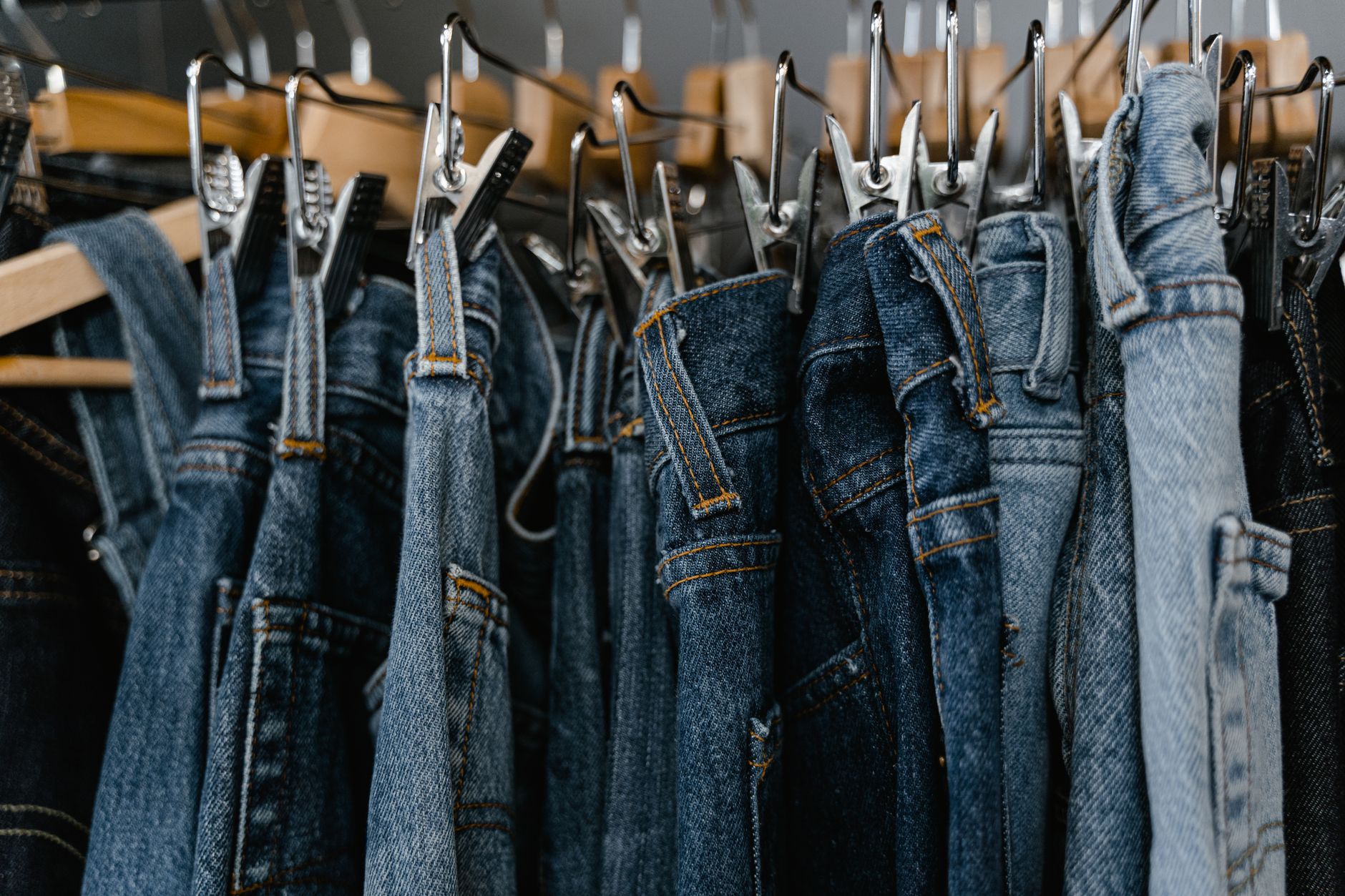
Owned brands are the company’s best answer, and they deserve attention for good reason. Labels like Cat & Jack, Good & Gather, and Threshold give Target products no rival can match and typically earn better margins than national brands. But owned brands only work when shoppers care enough to look for them. If a household is trimming its spending, a house-brand sweater is still a sweater it can live without.
What Investors Should Watch Next
The next several earnings reports will matter less for the top-line comparable figure than for the commentary around apparel, home, and hardlines. Investors should look for any sign that those categories are stabilizing, even at low levels, because stabilization would suggest the worst of the demand pullback is behind the company. They should also watch gross margin closely, since a retailer working through excess discretionary inventory tends to reveal the strain there first, through markdown activity and promotional intensity.
The harder question is structural rather than cyclical. If shoppers have permanently shifted more of their Target trips toward essentials, then the company’s premium positioning in discretionary may be worth less than the market once assumed, and no amount of inventory discipline will restore the old mix. If the weakness is mostly cyclical, patience could pay off when household budgets loosen. Right now Target’s own sales data is the only thing that can tell those two stories apart, and so far it has not chosen one.
Frequently Asked Questions
What are comparable sales and why do they matter for Target?
Comparable sales track revenue from stores and digital channels open long enough for a fair year-over-year comparison. They show whether the existing business is growing or shrinking, without the effect of new openings.
Why does Target’s discretionary mix affect profit?
Discretionary categories like apparel and home decor typically carry higher markups than groceries and household essentials. When sales shift toward lower-margin staples, gross profit can fall even if total sales hold steady.
What should investors watch in Target’s next earnings reports?
Watch commentary on apparel, home, and hardlines performance, along with gross margin and markdown activity. Those signals show whether discretionary demand is stabilizing or still weakening.