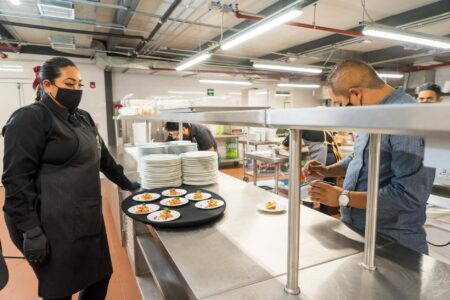




Corporate cafeterias are transforming from basic sandwich shops to gourmet dining experiences, and meal kit services are capitalizing on this shift. Companies like Blue Apron, HelloFresh, and Sunbasket are pivoting beyond individual consumers to tap into the lucrative B2B market, where businesses seek premium employee perks without the overhead of full-service kitchens.
The strategy makes financial sense. While individual subscription growth has plateaued in recent years, corporate partnerships offer higher-volume, more predictable revenue streams. Companies can negotiate bulk pricing while employees gain access to chef-designed meals that arrive pre-portioned and ready to cook in office break rooms or company kitchens.
Employee Benefits Drive Corporate Adoption
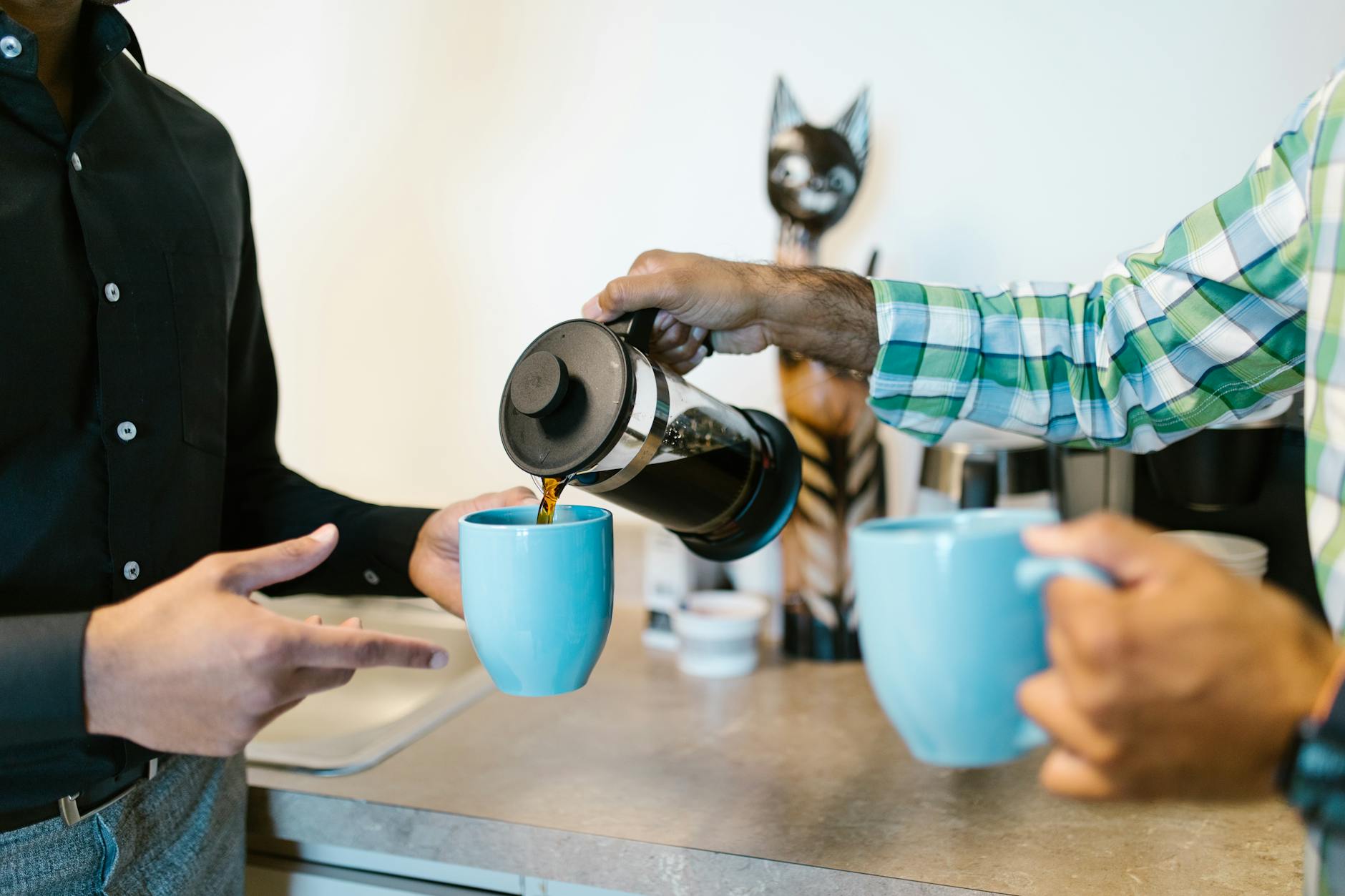
Forward-thinking companies recognize that food benefits extend beyond traditional catering. Tech giants like Google and Facebook set the standard with elaborate campus dining, but smaller businesses needed alternatives. Meal kit partnerships bridge this gap, offering employees restaurant-quality ingredients without requiring dedicated kitchen staff or expensive equipment.
The timing aligns with hybrid work models where employees split time between home and office. Companies can extend meal kit benefits to remote workers, creating consistency across distributed teams. This approach addresses the challenge many businesses face in maintaining company culture when teams work from multiple locations.
Several meal kit services now offer corporate accounts with customized menus, dietary restriction accommodations, and volume discounts. The partnerships often include nutrition education sessions and cooking demonstrations, adding team-building elements that traditional catering cannot match.
Revenue Diversification Beyond Consumer Subscriptions
The meal kit industry faced significant headwinds after pandemic-era growth cooled. Consumer acquisition costs rose while retention rates struggled, forcing companies to explore alternative revenue streams. Corporate partnerships emerged as a natural extension, leveraging existing supply chains and kitchen operations while targeting a different customer segment.
B2B sales cycles differ dramatically from consumer marketing. Corporate clients make annual commitments, providing revenue predictability that individual subscribers cannot match. Companies also tend to be less price-sensitive when purchasing employee benefits, allowing meal kit services to maintain higher margins.
This shift mirrors broader trends in the subscription economy, where businesses increasingly focus on enterprise clients for stable growth. Similar to how cybersecurity software companies report growth amid remote work permanence, meal kit services are adapting their business models to serve evolving workplace needs.

Operational Scaling and Supply Chain Advantages
Corporate partnerships require different operational approaches than individual deliveries. Businesses typically prefer centralized delivery to office locations, reducing last-mile delivery costs that plague consumer operations. A single corporate client might replace dozens of individual subscribers while requiring fewer delivery routes.
The predictable ordering patterns help with inventory management and food waste reduction. Corporate clients often commit to specific quantities weeks in advance, allowing meal kit companies to optimize purchasing and preparation schedules. This contrasts with individual consumers who frequently skip weeks or modify orders at short notice.
Some services are experimenting with hybrid models where companies provide base meal kit access while employees can upgrade or customize orders individually. This approach captures both the efficiency of bulk ordering and the personalization that drives consumer satisfaction.
Menu planning becomes more collaborative in corporate settings. Companies might request specific dietary options to accommodate diverse workforces or align with wellness initiatives. Meal kit services respond by developing corporate-specific recipes that balance nutritional goals with broad appeal.
Market Expansion and Future Growth Trajectories
The corporate meal kit market represents significant untapped potential. Millions of businesses currently rely on traditional catering or basic break room supplies, creating opportunities for services that can demonstrate value through employee satisfaction and retention benefits.
Healthcare systems, universities, and government agencies present particularly attractive segments due to their size and budget allocations for employee benefits. These institutions often have existing food service contracts that meal kit partnerships could supplement or replace.
International expansion becomes more feasible through corporate partnerships. Multinational companies can serve as launching pads for meal kit services entering new markets, providing immediate scale and local market knowledge through their regional offices.
The success of these partnerships may influence how other subscription-based businesses approach growth. Rather than focusing exclusively on individual consumers, companies across various industries are recognizing the stability and profitability of enterprise clients.
Looking ahead, meal kit services that successfully navigate corporate partnerships will likely emerge stronger from industry consolidation. The predictable revenue and operational efficiencies create competitive advantages that pure-play consumer services cannot match. As workplace dynamics continue evolving, companies that position themselves as essential employee benefit providers rather than convenient dinner solutions will capture the largest share of this expanding market.
Frequently Asked Questions
Why are meal kit companies focusing on corporate partnerships?
Corporate partnerships provide predictable revenue, higher margins, and operational efficiency through bulk orders and centralized delivery.
How do corporate meal kit programs benefit employees?
Employees access chef-designed meals at work, enjoy consistent benefits across remote and office locations, and participate in team-building cooking activities.